

Welcome to another monthly installment of “Notes on Notes”, a collaboration between me and Portia Turbo of Australian Perfume Junkies! This month, we focus on tropical fruits. For me in the Northern Hemisphere, this seems very appropriate given the sweltering summer heat and humidity we’ve been enduring lately, complete with afternoon torrential downpours.
“Tropical fruits” covers a lot of territory — everything from bananas to pineapples, both of which are easily available in American supermarkets. We almost always have bananas on hand, and as it happens, I have fresh pineapple in the house right now because we had our three young adult children here for brunch, and I usually buy a readymade fruit salad to serve with brunch, which often contains pineapple. The fruit is much sweeter and fresher than any fragrance I’ve tried manages to convey. Fresh-squeezed pineapple juice is a treat I enjoyed on our one trip to the Bahamas many years ago. Come to think of it, we rarely travel to tropical locales, even Florida which is a nearby state; South Florida is considered “tropical.”
Did you know that coconuts are technically fruits, in a category called “drupes”? And they’re certainly tropical. Unlike pineapples and bananas, I rarely eat coconut. I don’t dislike it, I just don’t come across it very often, other than as an ingredient in baked goods or candy. In fragrance, the scent of coconut immediately reminds me of suntan lotion.
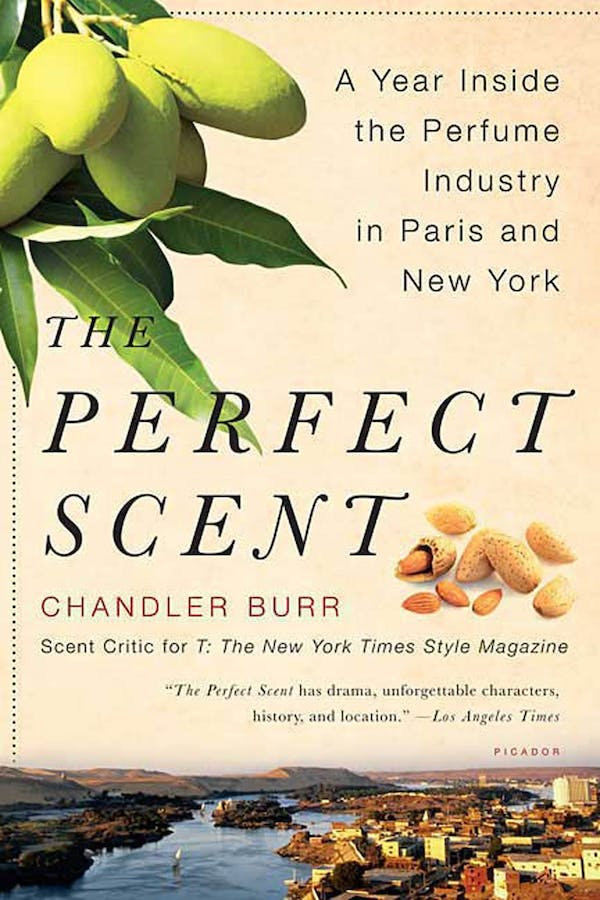
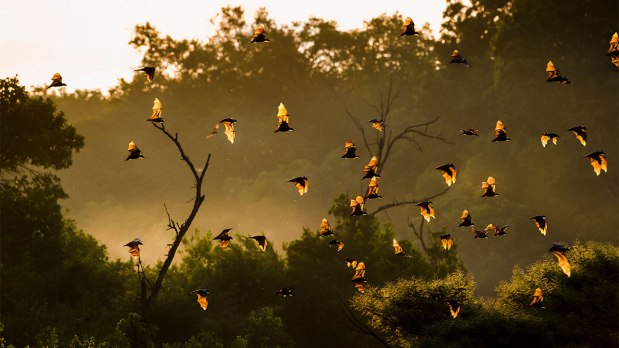
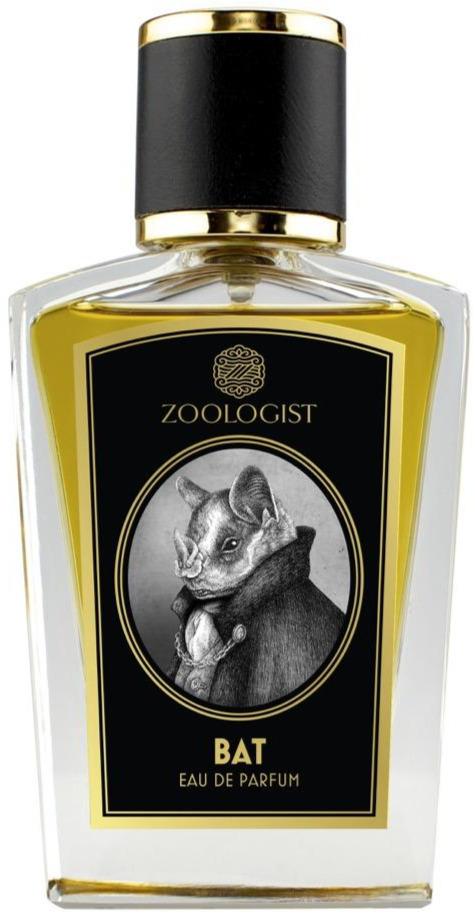
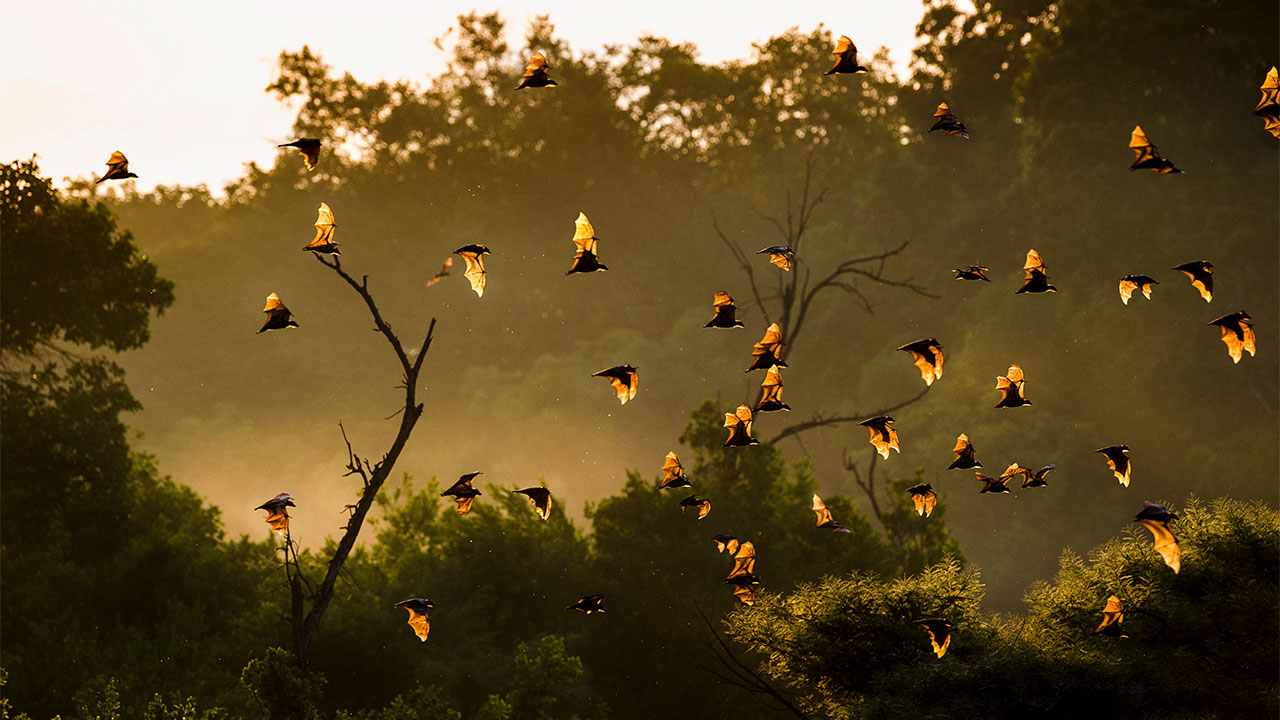
My impression is that the widely varying scents of tropical fruits are most often used in perfumery to convey “sunshine”, “summer” or “beach”, although Zoologist’s famous Bat used a banana accord and notes of other soft tropical fruits to refer to fruit bats in the tropics. (Bat was discontinued by Zoologist, but the perfumer who created it, Ellen Covey, now sells it online through her business Olympic Orchids Artisan Perfumes, under the name Night Flyer). Jean-Claude Ellena famously built his first fragrance as Hermès’ in-house perfumer, Un Jardin Sur le Nil, around an accord of green mango, as recounted in Chandler Burr’s book “The Perfect Scent”, not to evoke the tropics or a beach, but instead, a garden island in the Nile River.
A classic example of how tropical fruits may be used in fragrance is CK One, often presented as a summer scent — so much so, that the brand frequently issues a summer flanker of CK One. It includes pineapple and papaya among its top notes, with citrus fruits such as lemon, bergamot, and mandarin orange.

The full list of notes, per Fragrantica, is: top notes of Lemon, Green Notes, Bergamot, Mandarin Orange, Pineapple, Cardamom and Papaya; middle notes of Lily-of-the-Valley, Jasmine, Violet, Nutmeg, Rose, Orris Root and Freesia; base notes of Green Accord, Musk, Cedar, Sandalwood, Oakmoss, Green Tea and Amber. Created by Alberto Morillas and Harry Fremont, launched in 1994, M. Morillas has said it may be his favorite of the hundreds of fragrances he has created, in a 2022 interview with Fragrantica’s Patric Rhys:
“I created this perfume for the States, but it’s a very European style, my style – the Spanish style. It’s very fresh, easy to wear, but it can be appropriated. It smells different on each skin, when a man wears it, when a woman wears it… And for me, it’s still very modern, and doesn’t smell old fashioned, but of the actual time.”
I would agree — CK One is still modern, fresh, and unisex. I don’t find the pineapple to be a main player in the opening, though — the citrus fruits dominate. However, I think the pineapple accord contributes to the sweetness they convey in CK One in addition to the usual citrusy brightness. CK One moves through its opening stage quite rapidly; the heart notes are mostly floral, at least on my skin. To my nose, the combination of base notes just adds up to “green and woody” and I can’t say that I really detect separate notes. All in all, CK One doesn’t last very long, but the journey is very pleasant and does bring to mind a sunny vacation.
M. Morillas likes it so much that when he was asked to name the three fragrances he would want to keep personally, of all his creations, if he could only have those three, he named CK One first, saying that it captures his “sunny personality.”
In a 2017 interview with blogger Richard Goller at Fragroom.com, M. Morillas explained how he has used tropical fruits in creating summer flankers of L’Eau d’Issey, which was originally created by his friend Jacques Cavallier:
“Both the masculine and the feminine Eau d’Issey personalities remain so distinctive I can play with new modern freshness by inviting novel ingredients into the composition, while staying true to their unique signatures. Pineapple and kiwi bring the new exotic twist to the masculine scent. Summer is also played by exotic fruits for the feminine version. I introduced a new invigorating brightness throughout the colourful cocktail of dragon fruit, mango and guava.”
Another fragrance with a detectable pineapple note is Birmane, by Van Cleef & Arpels. Unlike CK One or many other scents using tropical fruits, it is not meant to be a summery or beachy fragrance. Now discontinued, I’ve read that it was designed as a “light oriental”. It is lovely! “Birmane” means Burmese, i.e. from the country now known as Myanmar and formerly known as Burma. Myanmar does in fact have a tropical climate and sits in the monsoon region of Asia; it is a top producer of tropical fruits. I suspect this is why Birmane was created as a “light” oriental fragrance, with no spice notes (more characteristic of scents meant to evoke the Middle East). Top notes include bergamot, pineapple, rosewood and lemon. The heart has notes of rose, orchid, iris, and heliotrope. The base notes include vanilla, tonka, sandalwood, and musk. Orchids, of course, are tropical flowers, and vanilla also comes from an orchid that grows in tropical environments.
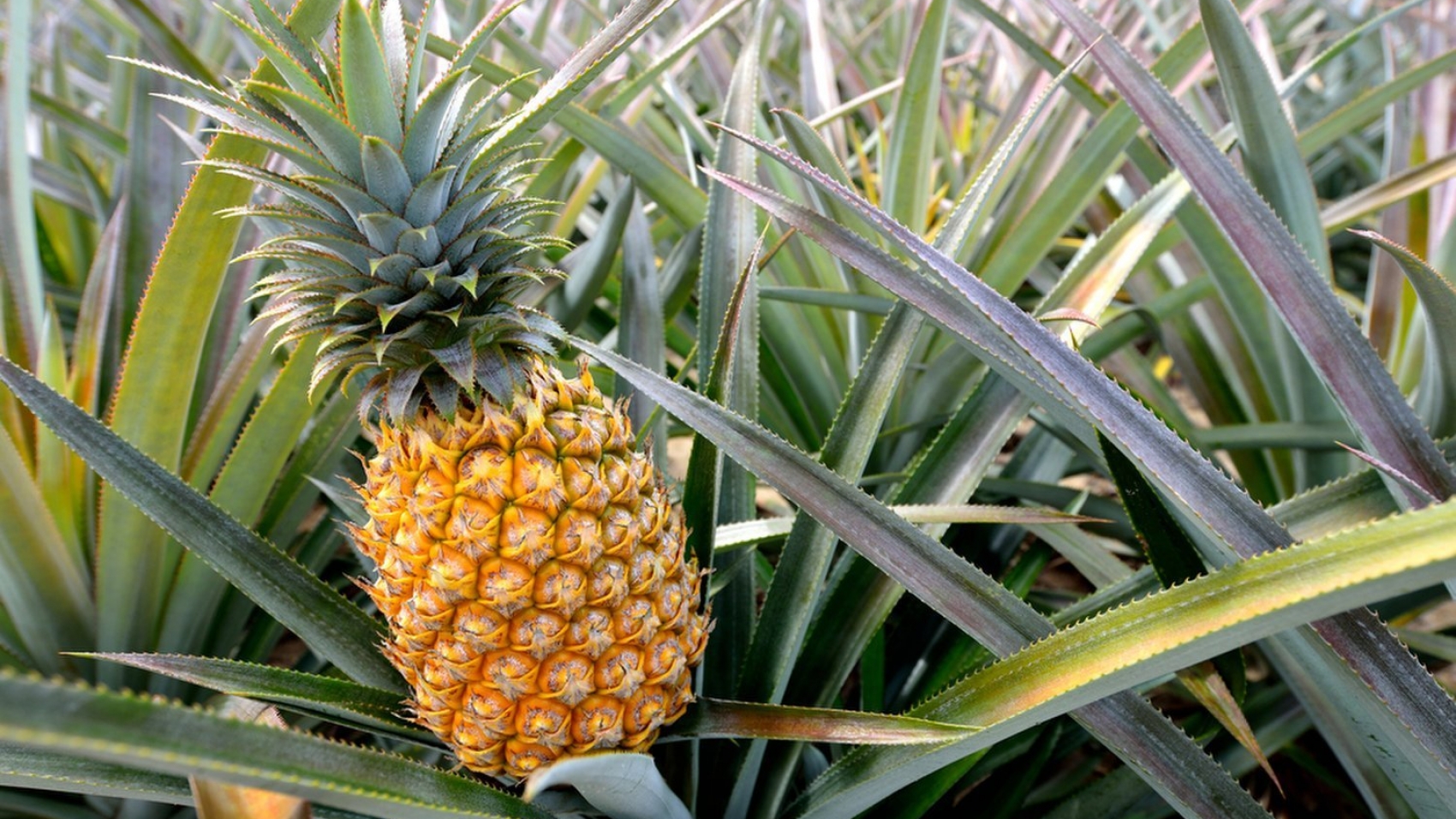
Birmane was launched in 1999, which is interesting as it smells to me more like a classic fragrance of an earlier era. Not musty at all, no aldehydes, but it is rich and multi-layered in a way that was starting to go out of style among designer fragrances in the 1990s. As it dries down, the fruits give way to the flowers which then give way to sandalwood with a touch of vanilla and warm musk. It’s a very soft, appealing fragrance when judiciously applied. I can see that it might be a bit overwhelming if heavily sprayed.
There are other, more famous fragrances that incorporate a pineapple accord: Creed’s Aventus is one, and Jean Patou’s Colony is another. I don’t own Aventus; I do have a bottle of Colony, from the Collection Heritage that perfumer Thomas Fontaine created to bring back some of the house’s legendary fragrances, but I haven’t discussed it here because it has been tucked away with some of my collection while we have some repairs done.
Do you have or love any pineapple fragrances? Or scents with any other tropical fruit(s)? And please jump over to Australian Perfume Junkies to get Portia’s “Notes on Notes”!

 Serenity Now Scents and Sensibilities