Notes on Notes: Tropical Fruits

Notes on Notes: Tropical Fruits

Welcome to another monthly installment of “Notes on Notes”, a collaboration between me and Portia Turbo of Australian Perfume Junkies! This month, we focus on tropical fruits. For me in the Northern Hemisphere, this seems very appropriate given the sweltering summer heat and humidity we’ve been enduring lately, complete with afternoon torrential downpours.

“Tropical fruits” covers a lot of territory — everything from bananas to pineapples, both of which are easily available in American supermarkets. We almost always have bananas on hand, and as it happens, I have fresh pineapple in the house right now because we had our three young adult children here for brunch, and I usually buy a readymade fruit salad to serve with brunch, which often contains pineapple. The fruit is much sweeter and fresher than any fragrance I’ve tried manages to convey. Fresh-squeezed pineapple juice is a treat I enjoyed on our one trip to the Bahamas many years ago. Come to think of it, we rarely travel to tropical locales, even Florida which is a nearby state; South Florida is considered “tropical.”

Did you know that coconuts are technically fruits, in a category called “drupes”? And they’re certainly tropical. Unlike pineapples and bananas, I rarely eat coconut. I don’t dislike it, I just don’t come across it very often, other than as an ingredient in baked goods or candy. In fragrance, the scent of coconut immediately reminds me of suntan lotion.

My impression is that the widely varying scents of tropical fruits are most often used in perfumery to convey “sunshine”, “summer” or “beach”, although Zoologist’s famous Bat used a banana accord and notes of other soft tropical fruits to refer to fruit bats in the tropics. (Bat was discontinued by Zoologist, but the perfumer who created it, Ellen Covey, now sells it online through her business Olympic Orchids Artisan Perfumes, under the name Night Flyer). Jean-Claude Ellena famously built his first fragrance as Hermès’ in-house perfumer, Un Jardin Sur le Nil, around an accord of green mango, as recounted in Chandler Burr’s book “The Perfect Scent”, not to evoke the tropics or a beach, but instead, a garden island in the Nile River.
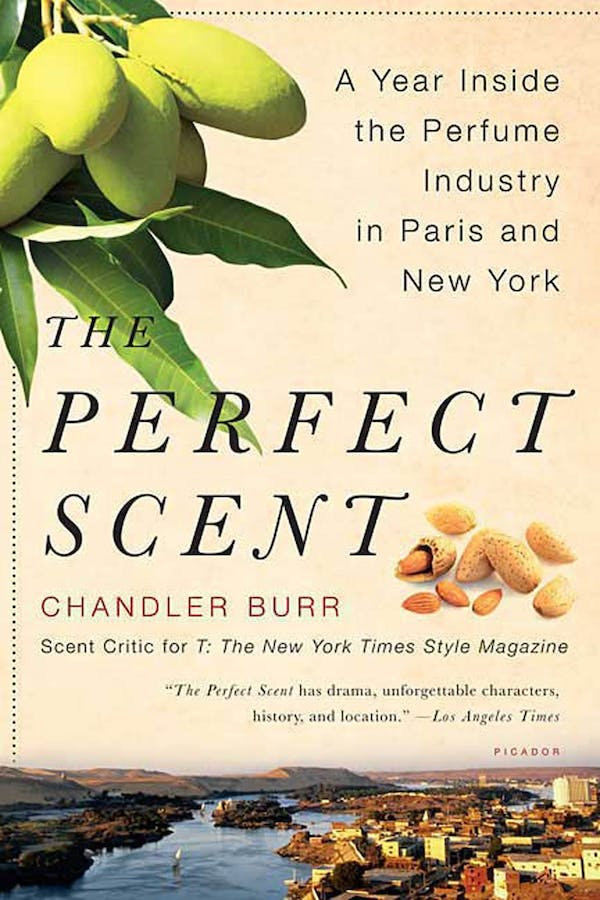
Book cover of The Perfect Scent by Chandler Burr
The Perfect Scent; image from macmillan.com.

A classic example of how tropical fruits may be used in fragrance is CK One, often presented as a summer scent — so much so, that the brand frequently issues a summer flanker of CK One. It includes pineapple and papaya among its top notes, with citrus fruits such as lemon, bergamot, and mandarin orange.

Bottle of CK One fragrance with fruits, flowers, other notes
CK One; image from highstreetpakistan.com

The full list of notes, per Fragrantica, is: top notes of Lemon, Green Notes, Bergamot, Mandarin Orange, Pineapple, Cardamom and Papaya; middle notes of Lily-of-the-Valley, Jasmine, Violet, Nutmeg, Rose, Orris Root and Freesia; base notes of Green Accord, Musk, Cedar, Sandalwood, Oakmoss, Green Tea and Amber. Created by Alberto Morillas and Harry Fremont, launched in 1994, M. Morillas has said it may be his favorite of the hundreds of fragrances he has created, in a 2022 interview with Fragrantica’s Patric Rhys:

“I created this perfume for the States, but it’s a very European style, my style – the Spanish style. It’s very fresh, easy to wear, but it can be appropriated. It smells different on each skin, when a man wears it, when a woman wears it… And for me, it’s still very modern, and doesn’t smell old fashioned, but of the actual time.”

I would agree — CK One is still modern, fresh, and unisex. I don’t find the pineapple to be a main player in the opening, though — the citrus fruits dominate. However, I think the pineapple accord contributes to the sweetness they convey in CK One in addition to the usual citrusy brightness. CK One moves through its opening stage quite rapidly; the heart notes are mostly floral, at least on my skin. To my nose, the combination of base notes just adds up to “green and woody” and I can’t say that I really detect separate notes. All in all, CK One doesn’t last very long, but the journey is very pleasant and does bring to mind a sunny vacation.

M. Morillas likes it so much that when he was asked to name the three fragrances he would want to keep personally, of all his creations, if he could only have those three, he named CK One first, saying that it captures his “sunny personality.”

In a 2017 interview with blogger Richard Goller at Fragroom.com, M. Morillas explained how he has used tropical fruits in creating summer flankers of L’Eau d’Issey, which was originally created by his friend Jacques Cavallier:

“Both the masculine and the feminine Eau d’Issey personalities remain so distinctive I can play with new modern freshness by inviting novel ingredients into the composition, while staying true to their unique signatures. Pineapple and kiwi bring the new exotic twist to the masculine scent. Summer is also played by exotic fruits for the feminine version. I introduced a new invigorating brightness throughout the colourful cocktail of dragon fruit, mango and guava.”

Another fragrance with a detectable pineapple note is Birmane, by Van Cleef & Arpels. Unlike CK One or many other scents using tropical fruits, it is not meant to be a summery or beachy fragrance. Now discontinued, I’ve read that it was designed as a “light oriental”. It is lovely! “Birmane” means Burmese, i.e. from the country now known as Myanmar and formerly known as Burma. Myanmar does in fact have a tropical climate and sits in the monsoon region of Asia; it is a top producer of tropical fruits. I suspect this is why Birmane was created as a “light” oriental fragrance, with no spice notes (more characteristic of scents meant to evoke the Middle East). Top notes include bergamot, pineapple, rosewood and lemon. The heart has notes of rose, orchid, iris, and heliotrope. The base notes include vanilla, tonka, sandalwood, and musk. Orchids, of course, are tropical flowers, and vanilla also comes from an orchid that grows in tropical environments.
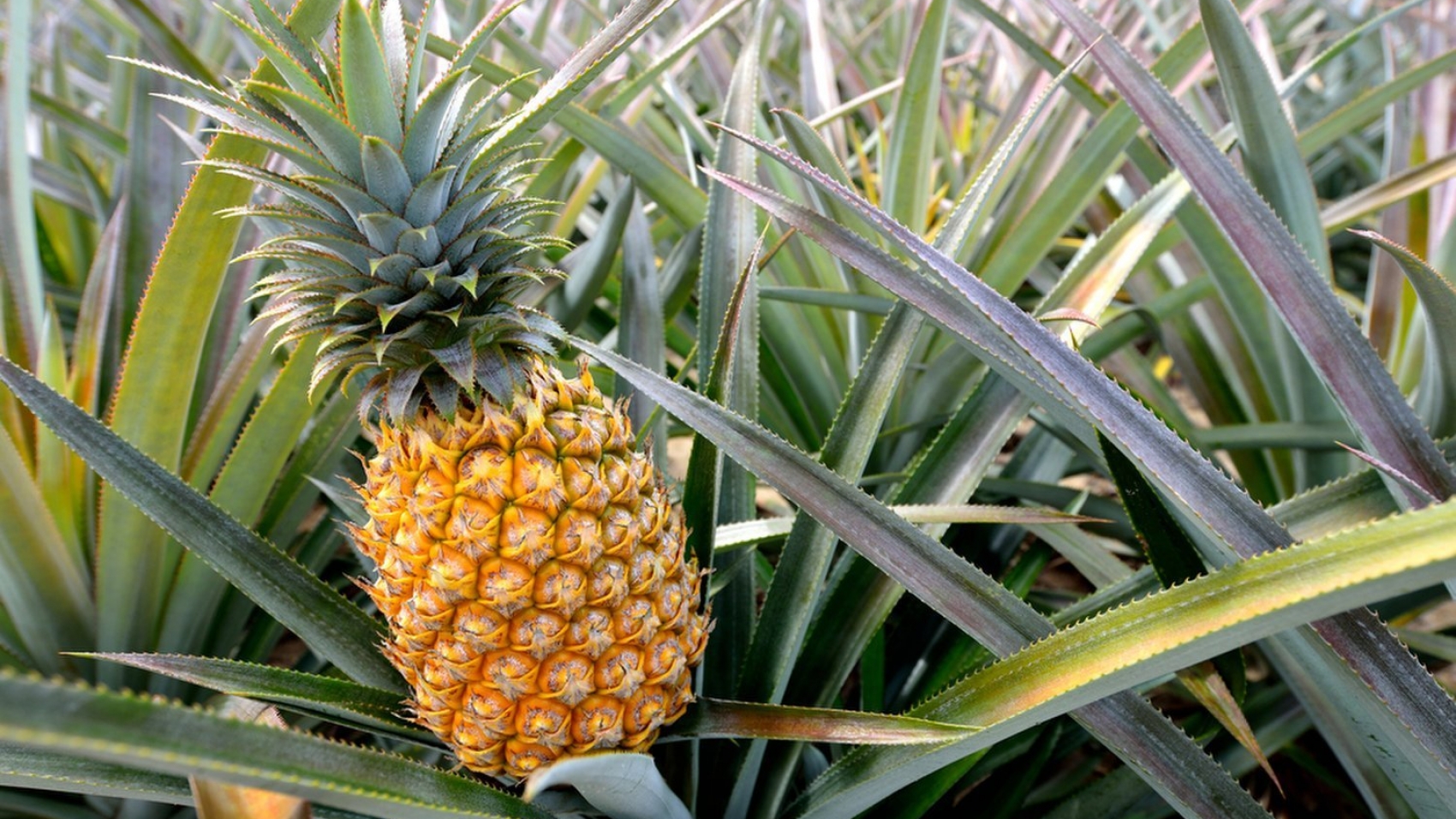
Pineapple fruit growing in Myanmar
Pineapple growing in Myanmar

Birmane was launched in 1999, which is interesting as it smells to me more like a classic fragrance of an earlier era. Not musty at all, no aldehydes, but it is rich and multi-layered in a way that was starting to go out of style among designer fragrances in the 1990s. As it dries down, the fruits give way to the flowers which then give way to sandalwood with a touch of vanilla and warm musk. It’s a very soft, appealing fragrance when judiciously applied. I can see that it might be a bit overwhelming if heavily sprayed.

There are other, more famous fragrances that incorporate a pineapple accord: Creed’s Aventus is one, and Jean Patou’s Colony is another. I don’t own Aventus; I do have a bottle of Colony, from the Collection Heritage that perfumer Thomas Fontaine created to bring back some of the house’s legendary fragrances, but I haven’t discussed it here because it has been tucked away with some of my collection while we have some repairs done.

Do you have or love any pineapple fragrances? Or scents with any other tropical fruit(s)? And please jump over to Australian Perfume Junkies to get Portia’s “Notes on Notes”!

Notes on Notes logo
Notes on Notes; image by Portia Turbo.
Perfume Chat Room, July 21

Perfume Chat Room, July 21

Welcome to the weekly Perfume Chat Room, perfumistas! I envision this chat room as a weekly drop-in spot online, where readers may ask questions, suggest fragrances, tell others their SOTD, comment on new releases or old favorites, and respond to each other. The perennial theme is fragrance, but we can interpret that broadly. This is meant to be a kind space, so please try not to give or take offense, and let’s all agree to disagree when opinions differ. In fragrance as in life, your mileage may vary! YMMV.

Today is Friday, July 21, and it is HOT! We did get some rain last night for the first time in several days, which will help my garden survive the next heat wave. I’ve been watering daily like a fanatic, but so far, everything is doing well, including the tomatoes that I swear every year I won’t plant again, and then I do.

Update on the Lucy saga: we seem to have conquered the pee smell, yay! And she hasn’t repeated her accidents, so we think some of the calming resources we’re using for her during thundery weather may be helping. Who’s a good girl?

If you haven’t yet read Portia’s and my latest “Counterpoint“, check it out! We’re having a lot of fun with these monthly collaborations (the other being “Notes on Notes“).

Are you sweltering in hot weather? How do you cool off? I am mostly staying inside, also due to poor air quality from the Canadian forest fires (!), venturing outside in the morning to do garden tasks, then retreating inside either at my office or house. I’ll go outside again around 6, when things start to cool down a bit, mostly to check on plants.

Happy weekend, everyone!

Counterpoint: Cabochard

Counterpoint: Cabochard

Cabochard may be the best known fragrance issued by the house of Grès, at least to this generation of perfumistas. It is not the only one, but it was the first and it is one of only a few that came out while the real Madame Grès still owned the perfume line, which she sold in 1982. (Others I own are Cabaret and Cabotine). It was created in 1959 by legendary perfumer Bernard Chant, who also created strong fragrances like Aromatics Elixir, Azurée, Aramis, and the original Halston, now called Halston Classic. It is a classic leather chypre, originally with a full symphony of notes and accords, which Fragrantica lists as: aldehydes, sage, spices, tarragon, asafoetida, lemon and fruity notes; middle notes of geranium, orris root, rose, jasmine and ylang-ylang; base notes of leather, oakmoss, tobacco, vetiver, patchouli, sandalwood, musk, amber, and coconut.

Madame Grès was a legendary designer of haute couture, based mostly in Paris and dressing its elite from the 1930s into the 1980s. Her creations are truly unique – you look at one of her garments and you know it’s by her. They are in many collections, including the Costume Institute of the Metropolitan Museum of Art, which describes her work thus:

“Madame Alix Grès’ career spanned five decades and throughout them all she excelled in her ability to manipulate fabric and use its innate characteristics to enhance her designs. She executed flowing body-skimming forms inspired by ancient Greek dress; minimalist, sculptural forms and voluminous, dramatic shapes.”

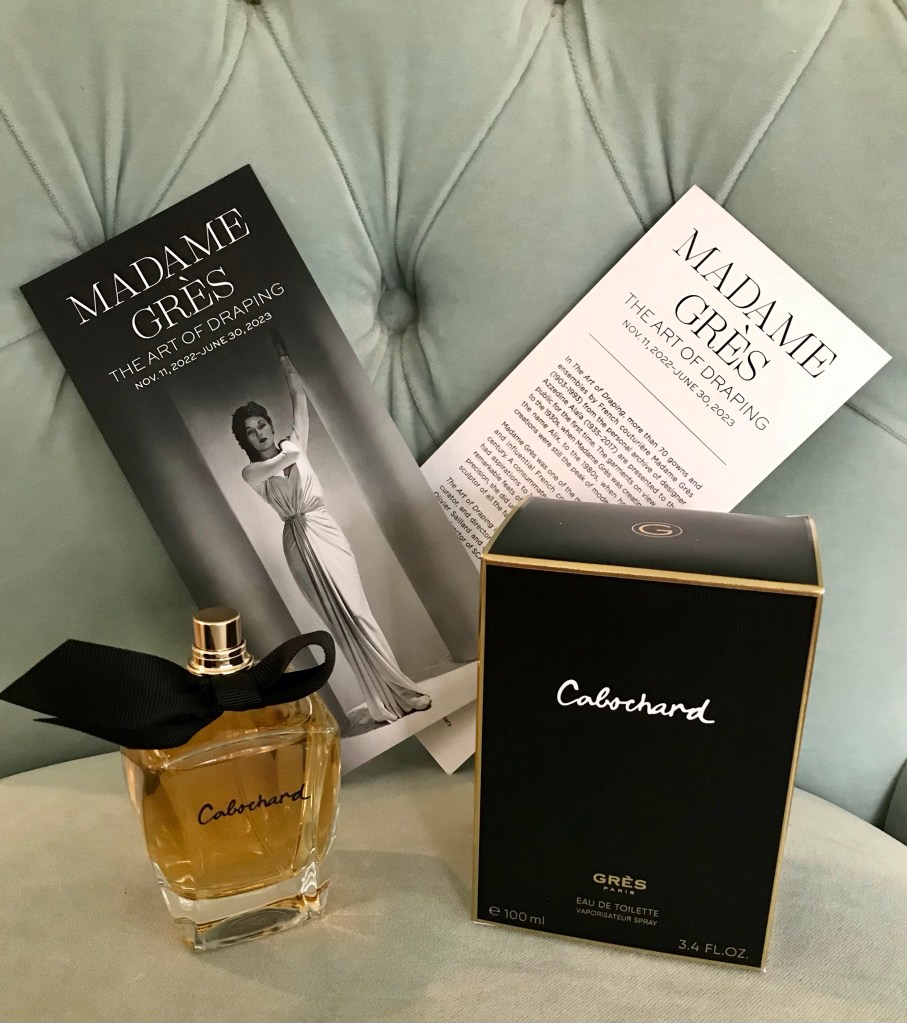
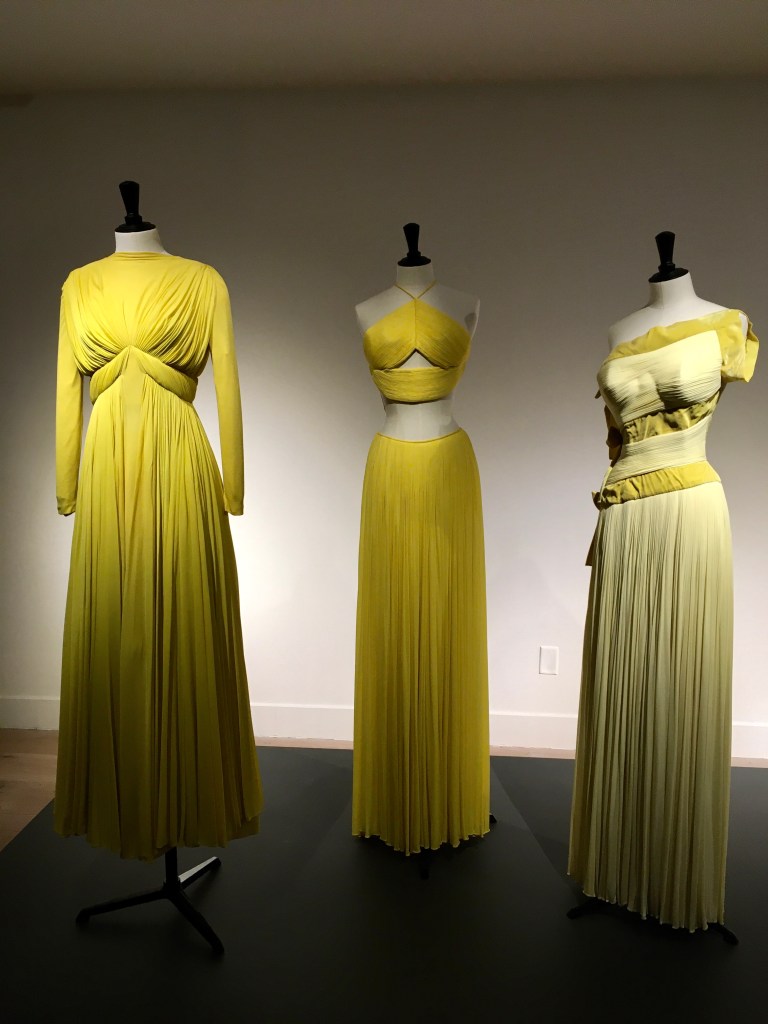
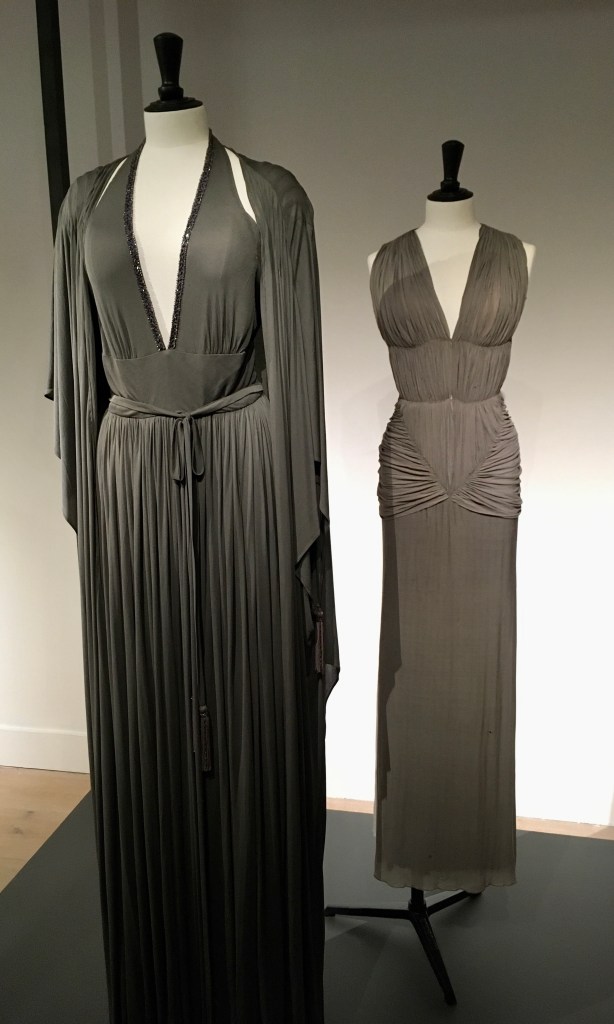
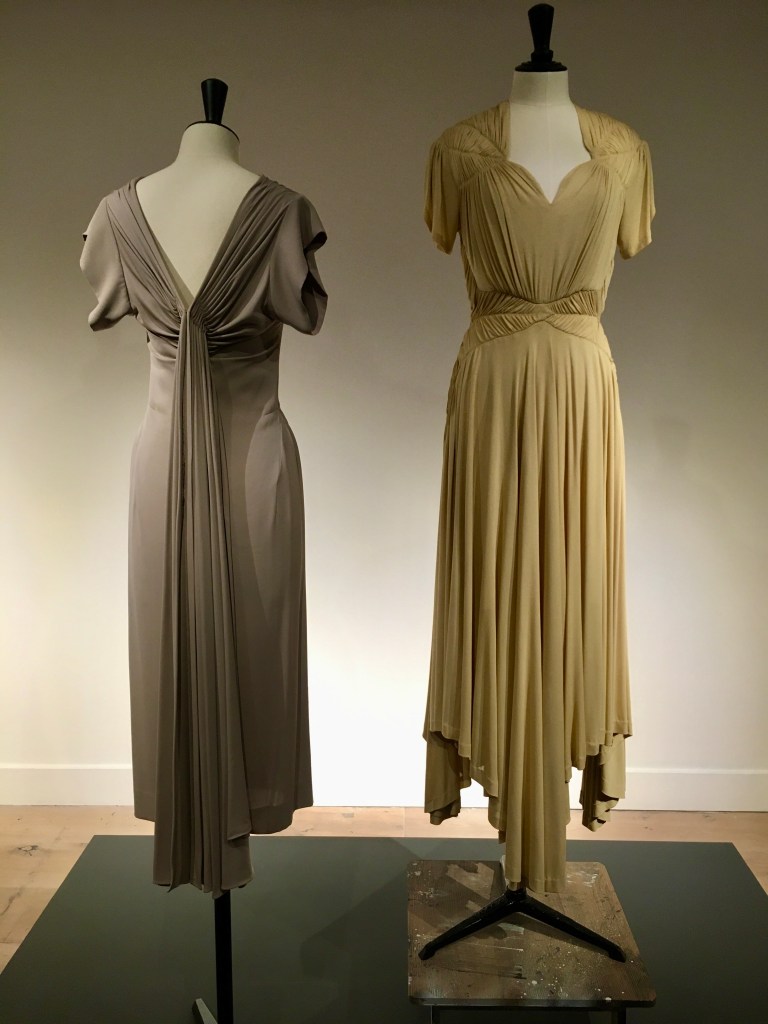
I chose Cabochard as this month’s “Counterpoint” fragrance to write about with Portia (of the blog Australian Perfume Junkies) because I saw a rare exhibit of Madame Grès dresses and other outfits a few weeks ago. Most of the items displayed were from the private collection of the late Azzedine Alaïa, another genius of garment construction who studied Madame Grès and her techniques. This post will be liberally sprinkled with photos I took! There were so many gorgeous dresses that it was hard to choose.

Cabochard and Madame Gres

Apparently the fragrance took inspiration from a trip to India that Madame Grès took in the late 1950s to look into the reorganization of traditional Indian textile manufacture, a project of the Ford Foundation and others. It was named Cabochard because of her well-known stubbornness and determination, on full display during the Nazi occupation of Paris in the 1940s, when she refused to serve German clients (who were mostly wives of Nazi officers). Another example is that when she was ordered to stop using so much fabric, at first she defied the order, and they shut down her atelier, then she complied but her next collection was all in the colors of the French flag: red, white, and blue.

  1. How did you first encounter Cabochard and what was your first impression?

Portia: I cannot remember the first time I smelled Cabochard. Maybe it was on an Aunt or one of Mum’s friends, or one of my friend’s Mums. It could have been a sniff session in a department store in the time that I loved perfume but wasn’t internet connected to you all or maybe I read about it in the initial stages of discovering the scent blogosphere. I do remember that I bought a tall slender bottle with a black lid, maybe even from overseas way back in the time of postal ability. That bottle was given to a friend when they fell madly in love. Then I scored an extrait that had my mind whirling (still does, though it’s a second bottle now) and lastly, when the bottle was redesigned and the fragrance given a spruce for modern day I grabbed a tester for next to nothing. Perfumer Bernard Chant created Cabochard in 1959, Aramis in 1966 and Aromatics Elixir in 1971. A trilogy or family of fragrance, all similar but riffing different elements.

Dresses by Madame Gres

Old Herbaceous: I got a heavily discounted bottle of Cabochard eau de toilette after reading Luca Turin’s hilarious but scathing review in “Perfumes: The A-Z Guide”, in which he famously called this reformulation “Cabochard chewed down to a frazzle by accountant moths” and compared it to a time-ravaged Peter O’Toole whom no one recognized any more. I had previously bought another Grès fragrance, Cabaret (which came out long after she had died), and liked it very much, so I thought I would see what Cabochard was like and whether it deserved such criticism. Of course, I don’t have the original vintage for a comparison, but I was curious anyway. And I also found the name charming: stubborn, like a donkey, but also resolute and determined.

Cabochard has been reformulated (as have so many classics), and for a long time, what was available was the version I first bought, in a tall, slender bottle with a bas-relief bow on front. However, in 2019, the current owners of the brand reissued Cabochard in eau de toilette and eau de parfum, in shorter bottles with real black ribbons on the neck. These improve on their immediate predecessor and have been well-received, so I own both!

My initial impression was that Cabochard reminded me of Chanel No. 19, which startled me until I re-read the list of notes and saw that the 2019 eau de parfum has a strong dose of galbanum as one of its top notes. I like the opening very much, no surprise! When I asked my 21 year-old son to tell me what he thought, he sniffed my wrist and said “I can’t say I LIKE it, but I wouldn’t say I dislike it either. It’s really different!” How is that for a diplomatic answer?

  • How would you describe the development of Cabochard?

Old Herbaceous: I’m wearing the 2019 eau de parfum, which has a different list of notes from the original, according to Fragrantica: top notes of aldehydes, galbanum, and sage; heart notes of ylang-ylang, rose, and jasmine; base notes of oakmoss, leather, patchouli, and sandalwood. Right away, the aldehydes and galbanum hit the nose; the aldehydes drift away, but the galbanum remains a leading player. I barely smell any of the floral notes at all, then the base notes arrive — and wow, do they persist! Very true to the fragrance’s name, lol. Of those, the one I smell the least is sandalwood, which is a shame as that is clearly a reference to India. The oakmoss note is potent, and in 2019, it might still have had some real oakmoss atranol, though it was heavily restricted by then, and atranol was banned entirely in Europe in 2021. I’m guessing that by 2019, Parfums Grès was already using a modern substitute, both for cost reasons and because the ban was on the horizon.

The 2019 eau de toilette also has its own slightly different list of notes, which Fragrantica lists as: top notes of aldehydes, bergamot, and sage; heart notes of ylang-ylang, rose, and jasmine; base notes of oakmoss, leather, patchouli, and sandalwood. This is actually a more classic chypre structure, with bergamot among its top notes which the eau de parfum lacks.

Neil Chapman, author of The Black Narcissus blog, wrote about Cabochard in his marvelous book “Perfume: In Search of Your Signature Scent”, and described it as “a dark and brooding scent of greys, purples, and blacks that hovers, tantalizingly, above the skin” (I think he was describing the vintage extrait). To my nose, because of the galbanum and base notes, the eau de parfum is indeed “dark and brooding” but varying shades of dark green and brown.

Portia: Wearing vintage extrait and modern EdT. The opening fruity sparkle is herbaceous, aromatic and dense. Imagine being in the storeroom of an Indian bazaar, the spark and buzz of faulty electrics, fruit and veg in waxy cardboard boxes, sizzling spices, bitter herbs, and the scent of dozens of boxes of sandalwood soap. Cabochard is as full on as you can imagine. A heavy, hectic, psychedelic scent that manages to be all this and warmly classy too. That is quite a feat to keep something so big from flying out of control. It’s definitely a hark back to perfume of yesteryear but much of today’s product could learn a thing or ten from one sniff of Cabochard.

Fragrance bottles of Cabochard eau de toilette and parfum
Cabochard eau de toilette (2019) and parfum; image by Portia Turbo.

Through the heart flowers are a bouquet and I can’t pick any of them out, not really pick them out, though I get flashes of ideas of flowers. It doesn’t matter anyway because already the base notes are coming through: sandalwood, tobacco, patchouli, leather and oakmoss are the ones I can detect but what I really smell is Cabochard. It’s the base of Cabochard that IS Cabochard to me. That long trail of golden darkness that floats mysteriously around me for hours and hours.

  • Do you or will you wear Cabochard regularly? For what occasions or seasons?

Portia: It’s funny. I just put my Cabochard EdT in its box to give it a rest. I keep the extrait out for sneaky swipes. Cabochard is an excellent foil against the downward spiral of depression. Something so thick, rich, tapestried and enigmatic can derail the slide brilliantly if I catch it early enough. So yes, Cabochard gets wear.

It’s also a perfect glamour scent for nights working a drag. Cabochard’s fine line between masculine and feminine in scent is a perfect match.

Old Herbaceous: I don’t wear it often, and when I do, I realize that I really have to be in the mood for Cabochard. To me, it is a fragrance best suited to fall and winter, when it appeals to me most; to my nose, it’s a bit much in the hot, humid weather we get here in the summer.

  • Who should/could wear Cabochard?

Old Herbaceous: I find Cabochard totally unisex – wearable by men or women without startling anyone with traditional expectations. Not surprising, given that its original creator Bernard Chant also came up with Aramis, a legendary masculine fragrance that is still a top seller, and strong feminine fragrances like Aromatics Elixir and Azurée (also Beautiful, more floral than many of his other creations).

Portia: Cabochard is truly unisex. Anyone with the chutzpah to wear such an iconic fragrance should definitely get some on. It’s a big perfume but a single spritz could even be low key enough for the workplace. Should you need armour, to make an entrance, to become an object of power then a couple of sprays more. 10 sprays should gas those nearby, dry clean your curtains and make people give you a wide berth. I’m wearing 10 sprays right now, home alone and in my perfume room/office. Bloody heaven!

Did I mention that Cabochard can be had for very little money on the discount sites? So, affordable glamour. YAY!

Have you tried Cabochard, vintage or modern? Which version, and what do you think?

Counterpoint: Le Jardin de Monsieur Li

Counterpoint: Le Jardin de Monsieur Li

Welcome to June’s installment of “Counterpoint”, a feature in which Portia of Australian Perfume Junkies and I exchange our thoughts on the same fragrance! This month’s featured fragrance is Le Jardin de Monsieur Li .

Bottle of Hermès fragrance Le Jardin de Monsieur Li
Le Jardin de Monsieur Li, by Hermès; image from Portia

Le Jardin de Monsieur Li is part of the “Jardin” series by Hermes, created by Jean-Claude Ellena. It was launched in 2015, and it is meant to evoke a Chinese garden, with notes of kumquat, bergamot, jasmine, mint, and green sap.

I believe this was the last of the “Jardin” fragrances create by M. Ellena while he was Hermès’ in-house chief perfumer. I love gardens, and I love the “Jardin” fragrances, each one inspired by a different garden. In the case of Le Jardin de Monsieur Li, Hermès says it is a garden “poised between reality and imagination”, but it reminds me of a real garden I visited the one time I have ever been to China. I had gone with my husband to Shanghai, where he had work for a week, and I was on my own to explore the city. I don’t speak Mandarin, but I taught myself a few phrases (“Excuse me”, “Please”, and “Thank you”) and the Shanghai metro was very easy to navigate. High on my list of places to go was the Yuyuan Garden, built several hundred years ago during the Ming dynasty.

Yuyuan Garden in Shanghai
Yuyuan Garden; image from ChinaXianTour.com.

It is a remarkable place, five acres completely enclosed by ancient stone walls in the middle of a bustling part of Shanghai where the Old City has been engulfed by the modern metropolis. The garden is divided into six main areas with different themes and purposes; parts of the garden and its structures were used for performances, for example. It has water features and a large koi pond, and amazing stone work in addition to several rockeries. Some of the most striking elements are the “dragon walls” that divide the garden; the walls are built to look like the undulating back of a long dragon, and they end with a dragon’s head! The garden’s name means pleasing and satisfying, and it was created as a tranquil haven for an important Chinese official’s parents by their dutiful son.

Dragon wall in China's Yuyuan Garden
Dragon wall in Yuyuan Garden; image from treetreats.wordpress.com

Upon entering the garden after leaving the modern metro, one may experience a quick, delighted intake of breath, and I had the same reaction to Le Jardin de Monsieur Li. It is at once citrusy, aromatic, and floral – a perfect summer fragrance.

  1. How did you first encounter Le Jardin de Monsieur Li, and what was your first impression?

Portia: As soon as Monsieur Li came out I wanted to get some on my skin. The Jardin range is some of Jean Claude Ellena’s best work (in my opinion anyway) and I’m yet to find one that disappoints. Sydney gets things later than the world but luckily Jin and I were in Tokyo and we hunted it down at a department store Hermès counter. Mint is one of my favourite notes in fragrance and so I was immediately smitten. Jin bought me a set with shower gel and lotion in the most fabulous box. So not only is Monsieur Li lovely but it has an excellent scent memory to match.

Old Herbaceous: I first encountered it when I “met” the other Jardin fragrances. It launched at about the same time that I went completely down the perfume rabbithole, in 2015 (the same year I started this blog to record my impressions and experiences). My late mother had sent me a generous birthday check, and I discovered that a certain discounter website had all five of the original Jardin fragrances for very affordable prices, so I used her gift to buy myself the whole set (I have a thing for complete sets), having become intrigued by reading Chandler Burr’s book The Perfect Scent, which included his account of how M. Ellena created Un Jardin Sur le Nil.

I think my first impression of Monsieur Li was colored by how much I love Un Jardin Après la Mousson and Sur le Nil. I didn’t pay as much attention to it. Once I really tried it and focused on it, I found Monsieur Li to be just as rewarding as those favorites, though they still “outrank” it.

2. How would you describe the development of Le Jardin de Monsieur Li?

Old Herbaceous: The citrus notes in the opening are refreshing with that slight bitterness, like the grapefruit accord that M. Ellena uses so often. They are quickly joined by the jasmine, but this is a light, fresh jasmine, not the heavy narcotic white flower smell often associated with that accord. To me, it smells like jasmine polyanthum, a lovely pinkish white jasmine vine that is often grown indoors as a houseplant.

I smell a touch of mint, which adds to the freshness of the scent and lends it a tinge of green. As some of you know, I do love my strong green fragrances; this is not a strong green fragrance at all, but it has just enough greenness to appeal to me. As it dries down, the citrus notes slowly recede, as they usually do, but they linger enough to maintain the aromatic aura of this summer floral. The final stage is lightly musky, but I can still smell jasmine and mint, so it has a lovely, soft finish.

Portia: Before we get to spritzing I’d like to say how much I love the feel of these bottles. The glass is so smooth it’s like fabric. It’s hefty without being heavy and fits my hand like it was made just for me. Already I’m feeling good. I rather like the way JCE thinks:

“I remembered the smell of ponds, the smell of jasmine, the smell of wet stones, of plum trees, kumquats and giant bamboos. It was all there, and in the ponds, there were even carp steadily working towards their hundredth birthdays.” Jean-Claude Ellena

It’s like he has translated these memories perfectly into scent.

Hermès gives these featured accordsL Sambac Jasmine, Kumquat, Bergamot

Water, shade, greenery gowing in a glasshouse. A terrarium. Yes, I smell sparkling and pithy citrus, some vegetal musks, clear and clean white florals. It might have been suggestion but I also smell broken bamboo, that weird dry/torn/sappy/sweet/coldness that the smell evokes in my mind. I also smell bittersweet citrus juice. The heart moves on and gives me peony and waterfalls over the top and some non-citrus fruit but I can’t pinpoint it. Maybe even berries? Later the vegetal musks seem to mix with some resins, I want to say elemi but really it’s just a feeling more that a scent association.

That’s the fireworks of open and heart. As Monsieur Li heads towards dry down the vegetal musks and resins with an overlay of cut green oranges continues quietly but pervasively for hours. Towards the end I even smell something vanilla-ish. It melds with my skin but makes it smell 100x better than it ever has.

It’s not weird or big or crazy. It definitely has a softer amount of that JCE Jardin oily sweetness undercut by water and greenery. Monsieur Li  is surprisingly long lasting on my skin too

3. Do you or will you wear Le Jardin de Monsieur Li regularly? For what occasions or seasons?

Portia: Yes, I wear Monsieur Li regularly. Though regularly means monthly rather than weekly. It works best for me when there is at least dappled sunshine. The temperature is not so important but I always feel really alive when wearing it in the sun. 

Though it fits perfectly in most occasions I particularly love it when smelling good but not overwhelming is the job of the day. Perfect for food, movies, travel or anything up close. Also excellent as a bed time calming or early morning get me revved for the day spritz. So versatile.

Monsieur Li is surprisingly long lasting on my skin too 

Old Herbaceous: I don’t wear it regularly, but I really should! It is especially appealing as a summer fragrance, though I would happily wear it during the spring and really any time I want a fresh cologne-type scent. I think it would partner beautifully with a guest’s summer wedding outfit, for any gender.

4. Who should/could wear Le Jardin de Monsieur Li ?

Old Herbaceous: This is a truly unisex scent, in my view. It has just the right combination of citrus, aromatic, and floral notes to balance between the traditionally feminine and masculine. When I was growing up, in a preppy part of New England, men often wore ties made of Liberty Tana Lawn floral fabric to summer parties and weddings, with lightweight suits; Le Jardin de Monsieur Li  would go wonderfully with those.

Portia: Monsieur Li  will probably be a bit low key for most hard core perfumistas. Their perfume wardrobes probably have enough cologne style fragrances.

Mint and aquatic are both also a no-go space for a lot of people. What I would say to anyone afraid of spritzing is that here the citrus and green notes are king. Though mint and water are present and noticeable the way that JCE has made this perfume could be a gateway for you. 

Definitely unisex, its longevity means you can wear it to work and still have remnants left at the end of the day. It is also the sort of low key beauty that any non perfumista who wants to smell good as part of being dressed well could wear year round. I’ve not given it as a gift but thinking about that now it would be a perfect non confronting, wearable, elegant selection. That it has bath products that match make it even more alluring.

I’m also thinking that for someone who wants to define their leisure time with scent, Monsieur Li would be a beautiful, laid back, pared back signature. A gentle waft of freedom.

Bottles of Hermès "Jaradin" fragrances
Hermès’ “Jardin” series of fragrances; image from hermes.com

Have you tried Le Jardin de Monsieur Li? Thoughts? Also, I can’t omit mention of Sarah McCartney’s wonderful riff on it: 4160 Tuesdays’ Le Jardin de Monsieur McGregor, another garden scent I love very much! And its name makes me smile.

Do you have any requests for an upcoming Counterpoint fragrance? The only limitation is that it must be one Portia and I both possess or can sample. Suggestions are welcome!

Counter/Point, a monthly blog collaboration
Perfume Chat Room, June 16

Perfume Chat Room, June 16

Welcome to the weekly Perfume Chat Room, perfumistas! I envision this chat room as a weekly drop-in spot online, where readers may ask questions, suggest fragrances, tell others their SOTD, comment on new releases or old favorites, and respond to each other. The perennial theme is fragrance, but we can interpret that broadly. This is meant to be a kind space, so please try not to give or take offense, and let’s all agree to disagree when opinions differ. In fragrance as in life, your mileage may vary! YMMV.

Today is Friday, June 16, and we have a three-day weekend because of Juneteenth being celebrated on Monday as a holiday. Juneteenth, if you didn’t know, is a historically important date because June 19 was the date in 1865 on which the last remaining enslaved people in the United States were finally assured that the Emancipation Proclamation had been issued effective January 1, 1863, and they had been declared free by President Abraham Lincoln. Major General Gordon Granger, the Union officer in control of Galveston, Texas, issued an order confirming their emancipation on June 19, 1865. The date was long celebrated informally among African-American communities in Texas, then the custom spread during the Great Migration of the 20th century. It was made a federal holiday by President Biden in 2021. By the way, if you don’t know much about the Great Migration, I highly recommend the prize-winning book “The Warmth of Other Suns”, by historian and journalist Isabel Wilkerson.

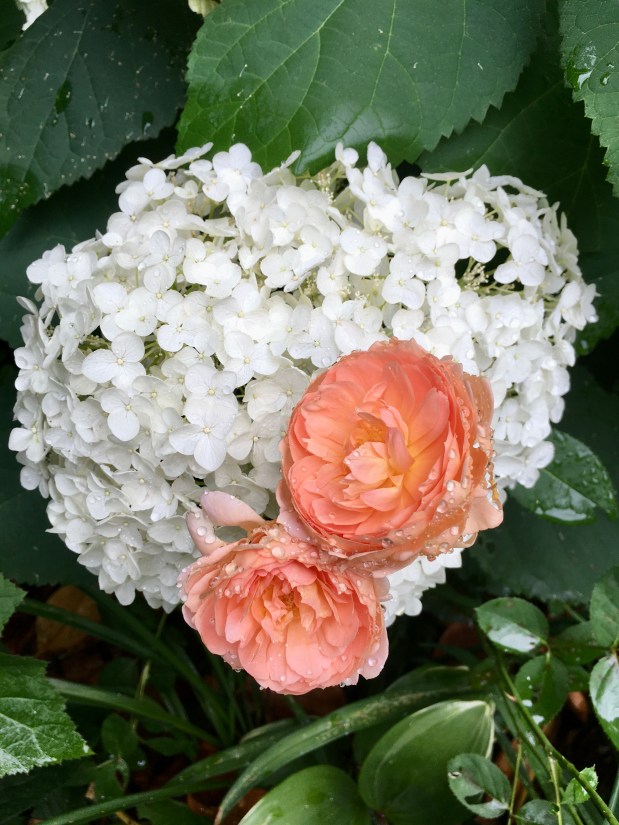
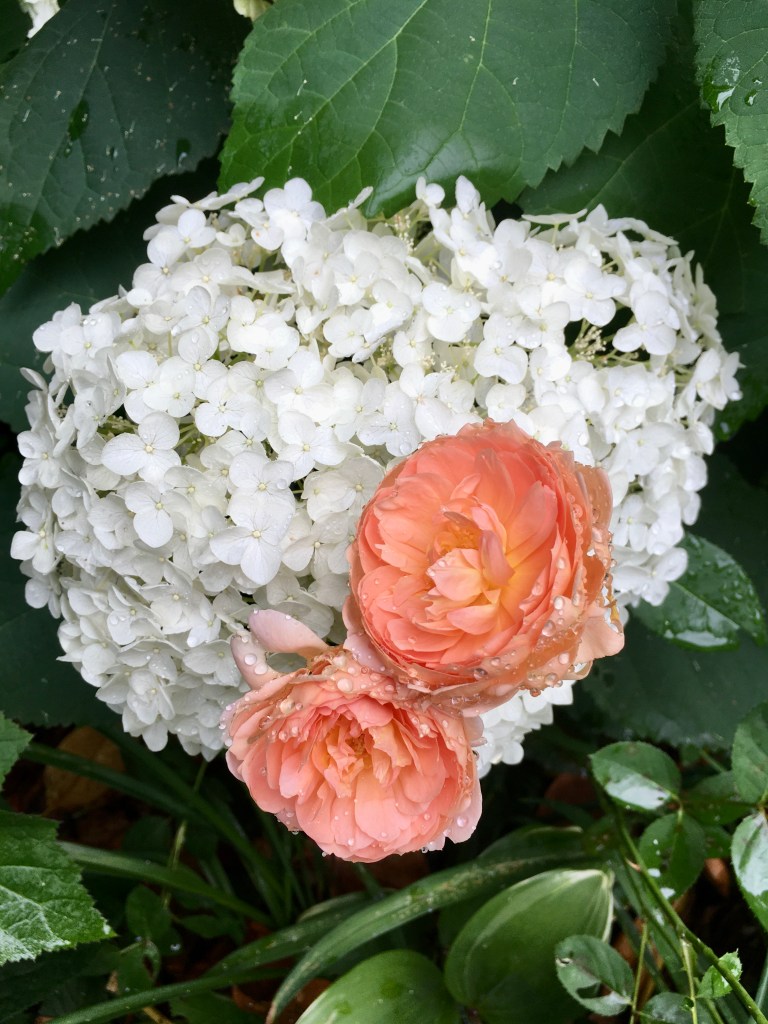
I will be celebrating by spending the weekend continuing to weed, plant, and otherwise tidy my garden. My precious roses are blooming again, and one of them has decided to blossom in the middle of my Annabelle hydrangea. I love flowers! I’ve been wearing a new-to-me fragrance a lot lately; it is Miller Harris’ Coeur de Jardin, a chypre floral with several fruity notes in the opening. Very pretty! I would call it more “chypre lite” than fully chypre. Today, however, I was back in Bitter Peach by Tom Ford. What are you wearing or smelling these days?

Perfume Chat Room, June 9

Perfume Chat Room, June 9

Welcome to the weekly Perfume Chat Room, perfumistas! I envision this chat room as a weekly drop-in spot online, where readers may ask questions, suggest fragrances, tell others their SOTD, comment on new releases or old favorites, and respond to each other. The perennial theme is fragrance, but we can interpret that broadly. This is meant to be a kind space, so please try not to give or take offense, and let’s all agree to disagree when opinions differ. In fragrance as in life, your mileage may vary! YMMV.

Today is Friday, June 9, and it really feels like summer here now. I’ve been enjoying some more “summery” fragrances; today’s SOTD is Tom Ford’s Bitter Peach, from a decant. I really like it, but I won’t be needing a full bottle at the brand’s prices. Happy to have this decant, though! Earlier this week, I wore Christian Dior’s La Colle Noire, a perennial favorite (again, from a decant).

If you haven’t yet read this month’s “Notes on Notes“, on this blog and at Australian Perfume Junkies, please do, and add your thoughts about citrus in fragrances! Or feel free to comment here, about any favorite citrus notes or favorite citrus-forward fragrances, or anything citrus-related.

Orange flower blossoms on branch with orange fruit
Orange blossom and orange; image from petalrepublic.com
Notes on Notes: Citrus

Notes on Notes: Citrus

Welcome to the June installment of Notes on Notes, a collaboration with Portia of Australian Perfume Junkies! Each month, we choose a fragrance note and each of us writes a blog post about it based on our personal experiences. This month, the note is citrus (encompassing any and all citrus notes), since it suits the summer months so well.

Most of the familiar citruses are “hesperidic” fruits. According to Wikipedia, “Carl Linnaeus gave the name Hesperideæ to an order containing the genus Citrus, in allusion to the golden apples of the Hesperides.” These include oranges, lemons, grapefruit, limes, and (importantly for fragrance) bergamots. All offer essential oils from their bitter rinds which have been used often in the creation of fragrances, with synthetic versions available as substitutes.

In fragrance, the perfumer I most associate with brilliant use of citrus notes is Jean-Claude Ellena. He likes their bitterness; and a citrus has often been the featured opener for many of his fragrances, including the Jardin series he launched at Hermès. I’ve written before about my love for Un Jardin Sur Le Nil, which opens with a marvelous grapefruit accord. Miller Harris’ discontinued Tangerine Vert is another terrific citrus scent; in that post, I also covered another sadly discontinued fragrance, from Maison Martin Margiela, Replica Filter Glow. It was a dry oil fragrance meant to be directly layered with a complementary scent and said to prolong it. You could also wear it on its own, with its notes of neroli, grapefruit blossom, bergamot, and rose absolute. I think it would enhance any citrus-forward fragrance.

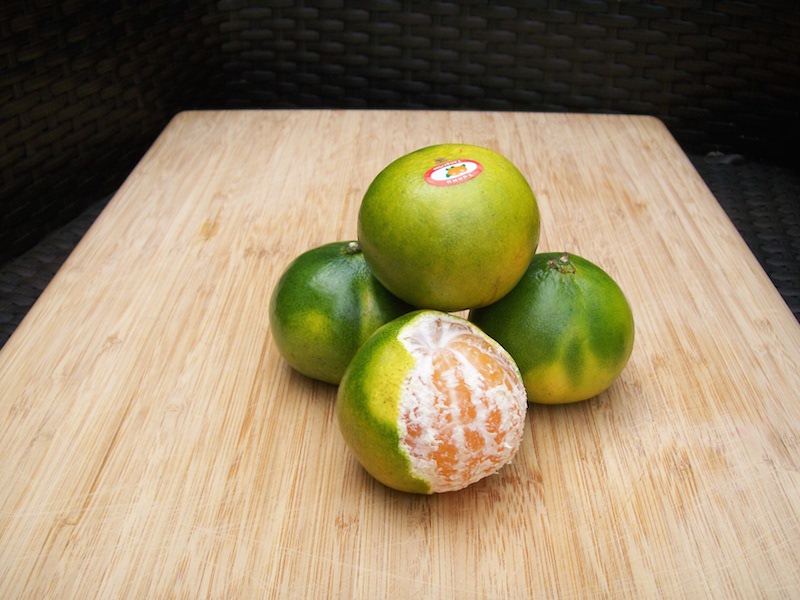
Green tangerine fruits on wood
Green tangerines; image from http://www.eatwellshanghai.com

Much as I love the other citrus notes, in perfume my favorite may be bergamot. I was raised on Earl Grey tea, whose distinctive aroma and flavor come from the infusion of bergamot essential oil into the tea, so I associate happy memories of teatime with that scent. (Earl Grey tea brings back childhood memories so strongly that I always drink it with milk and sugar, unlike most of the other teas and coffees I enjoy). I love the fresh zing it brings to a fragrance’s opening, and its green astringency, which partners so well with the green scents I love, like Chanel’s Cristalle and No. 19. Bergamot seems to enhance galbanum, and vice versa.

My two newest citrus-based fragrances were both bought on recent vacation trips (perfume tourism strikes again!): Carthusia’s A’mmare, which I bought in Milan last summer, and Lili Bermuda’s Bermudiana, purchased just last month in Bermuda. Both open with a detectable burst of bergamot, combined with aromatic herbs. A’mmare pairs it with rosemary (and salt); Bermudiana with basil and aldehydes. The fragrances are separated by six decades — Bermudiana was launched in 1962, and A’mmare in 2021.

A’mmare

Bermudiana has a strong heart note of galbanum, one of my favorites. A’mmare‘s heart notes are an aquatic accord and mint. Both fragrances pair so well with bergamot; both are very summery without being too beachy (i.e., they don’t smell to me like sunscreen). I love their combination of bergamot with different green herbs. They feel like summer colognes but last much longer.

Do you have any favorite citrus notes? Are there any you really dislike? I actually can’t think of any I dislike …

Check out Portia’s Notes on Notes on Australian Perfume Junkies!

Notes on Notes logo
Notes on Notes; image by Portia Turbo.
Perfume Chat Room, May 19

Perfume Chat Room, May 19

Welcome to the weekly Perfume Chat Room, perfumistas! I envision this chat room as a weekly drop-in spot online, where readers may ask questions, suggest fragrances, tell others their SOTD, comment on new releases or old favorites, and respond to each other. The perennial theme is fragrance, but we can interpret that broadly. This is meant to be a kind space, so please try not to give or take offense, and let’s all agree to disagree when opinions differ. In fragrance as in life, your mileage may vary! YMMV.

Today is Friday, May 19, and we are back from our Bermuda holiday. Sigh. It was so beautiful and relaxing. Luckily, I had the foresight to take yesterday and today off work also, so I can ease back into regular routines and hold on to some of the vacation vibe a bit longer.

Photo by Andrea Powell on Pexels.com

Last weekend, we had a fabulous visit to The Bermuda Perfumery in St. George, home of Lili Bermuda fragrances, and we had tea with our friends in their garden. The next day, Mother’s Day, I was served a lovely breakfast by my family and was “given” the Lili Bermuda fragrance I had chosen the day before: Bermudiana. I had tried Mary Celestia, whose back story intrigued me, but the fragrance wasn’t as interesting as the story, and it didn’t seem to last on my skin.

I was able to do more reading than usual on this holiday, and I read more of Bermuda’s early history. I had known before that it was first inhabited by English sailors whose ship, the Sea Venture, on its way to re-supply the struggling English settlement at Jamestown, Virginia, had been blown far off course by a hurricane and shipwrecked at Bermuda. Apparently the true story of this adventure provided Shakespeare with the inspiration for “The Tempest”. What I hadn’t fully realized before is just how desperate the conditions at Jamestown were, by contrast with the plentiful lushness, safety, and beauty of Bermuda. No wonder there were a few mutinous uprisings during the ten months that the crew and passengers of the Sea Venture were on Bermuda — many of them didn’t want to leave their newfound paradise for a settlement they already knew was in trouble — insufficient supplies, attacks from Native Americans, disease, etc.

On our way home, I picked up another Lili Bermuda fragrance in the duty-free shop: Pink. It is a very pretty floral, and I look forward to getting to know it better. I’m counting it as a supplemental Mother’s Day gift, lol! Speaking of Mother’s Day, I was very touched by the number of local people who wished me a happy Mother’s Day while just passing by on the lane that led to the beach. Bermudians are famous for their old-fashioned manners (you do NOT get on a bus or request help or information at a counter without first greeting the person with “Good morning”, or “Good afternoon”), but this was next-level courtesy.

I’m already planning some more “perfume tourism”; I will tag along with my husband on one of his work trips to London this fall, and we hope to take our family to France next summer, as a delayed graduation/anniversary trip (we were supposed to go in the summer of 2020). A new “Perfumer’s Garden” is about to open at Versailles, sponsored by Maison Francis Kurkdjian, and it looks gorgeous. Gardening AND fragrance — two of my loves, together!

Did you do anything special for Mother’s Day?

Counterpoint: Un Bois Vanille

Counterpoint: Un Bois Vanille

Happy Monday! Today is May 15, and this is another “Counterpoint” post from me and Portia of Australian Perfume Junkies.

This month’s Counterpoint fragrance is Un Bois Vanille, from Serge Lutens. Launched in 2003, the perfumer who created it is Christopher Sheldrake. It is one of several offspring of Feminité du Bois, created in 1992 for Shisheido by the team of Serge Lutens, Christopher Sheldrake, and Pierre Bourdon. It seems that after FdB, M. Sheldrake explored the innovative woody accords in different directions, including Un Bois Vanille, Bois de Violette, Bois et Musc, Bois et Fruits, Bois Oriental,  and Un Bois Sépia.

Bottle of Serge Lutens' Un Bois Vanille
Un Bois Vanille by Serge Lutens; image from Portia.

Un Bois Vanille is a complex scent that plays off the botanical origins of vanilla, most familiar to us as the sweet ingredient in so many baked goods. Vanilla extract comes from beans that grow in pods on vining orchids in tropical rain forests. The vines climb up trees in their natural habitats; in cultivation, they are often grown on wooden supports. Wood, then, is a suitable companion to vanilla, and they are well-partnered in Un Bois Vanille. The green aspect of vanilla vines is evoked by an anise accord; other notes include coconut milk, beeswax, sandalwood, tonka, almond, benzoin, guiac, and musk.

  1. How did you first encounter Un Bois Vanille, and what was your first impression?

Portia: I’m not sure exactly but it could have been while sniffing with friends in what was our most glamorous Sydney department store David Jones. It also might have been through an early Serge Lutens sampler from Posh Peasant. Maybe around 2010? Yeah, I came to you all quite late. It was a very solo perfume journey for me till finding the scent blogosphere. I liked it early on but it didn’t compete with some of the more outrageous scents in the line. At the time I was all about pushing boundaries, being daring, shocking and pushing every fragrant envelope to its farthest shore. Since those heady days I’ve come to love many of those outrageous perfumes but the ones i tend to wear are much more comfortable.

Old Herbaceous: I came into possession of Un Bois Vanille a couple of years ago, when I found a tester online at a very reasonable price. Since I was, and am still, in the process of educating my nose, I knew I wanted to try some of Serge Lutens’ fragrances, and I had read in many places that Un Bois Vanille was one of his most approachable fragrances, easier to appreciate and enjoy than some of his more innovative scents. So I bought the tester, and it was the start of a small Lutens cluster in my collection. My first impression was that it is a sophisticated vanilla while remaining sweet, but it is never sugary. The beeswax and coconut milk give it a smoothness that I find quite soothing, and I enjoy the anise accord.

2. How would you describe the development of Un Bois Vanille?

Old Herbaceous: To my nose, the vanilla is obvious right away, with a milky undertone. It remains dominant throughout, with anise emerging, followed by phases that smell woody (sandalwood, tonka, almond), then resinous and warm (guiac, benzoin, musk).

PortiaUn Bois Vanille doesn’t have an enormous range through its development when I wear it. It opens hot vanilla caramel bakery, fresh from the oven. As it moves through the heart the nuttiness dries it out but we don’t lose that warmth. Even in dry down when the woods have taken over vanilla heavy amber reigns supreme.

3. Do you or will you wear Un Bois Vanille regularly? For what occasions or seasons?

Portia: Honestly, I’m lucky if Un Bois Vanille gets a wear annually. Vanilla, woods and amber make up a large percentage of my perfume wardrobe. There are a few favourites that are in easy reach, on the grab tray or on my mind. Since my Serge Lutens bottles grab tray got repurposed in the revamp of the perfume/dressing/office room and they are all in a box their wear has reduced a lot. In the 10 years I’ve owned this bottle it has probably only had 10 wears. Hopefully us writing about Un Bois Vanille at the start of the cooler months here in Sydney will rejog my memory and I’ll give it a few more outings. Wearing it the last couple of days, once for bed and today for work, I’ve really enjoyed it. Though it’s not important a couple of people have asked what it is I’m wearing and if it’s still available. So that’s nice too.

Old Herbaceous: I don’t wear it regularly, though I like it whenever I do. Since I’m on the other side of the planet from Portia, we are entering our summer months, and the vanilla fragrance I like for summer is Vanira Moorea by Berdoues. I will try to remember to pull out Un Bois Vanille this fall, though, because I agree with Portia that it is very suitable for autumn and winter.

4. Who should/could wear Un Bois Vanille?

Old Herbaceous: Un Bois Vanille is definitely a unisex scent. Apparently, the genesis of its forebear Feminité du Bois was to show that a woody fragrance, traditionally associated with masculine fragrances, could be made more feminine. Almost every time I wear any vanilla-centric fragrance, I get more compliments than with almost any other scent, usually from men. So it clearly works well as a feminine scent! Conversely, I would find this very appealing on a man, and I need to find out what it smells like on my husband!

Portia: When I spritz Un Bois Vanille it always feels like a rich dessert or cocktail. A fountain of molten vanilla, caramel, coconut and nutty biscuit. Lavish, delicious and playful. It works from slouching in front of the TV to elegant awards nights. While cool weather is my preferred wear time, I can also imagine it working for spring weekends and sensual tropical evenings. Smelling good enough to eat, but in a sophisticated way, is always a winner. Unisex but leaning towards what society expects women to smell like. I say go for the subversive guys, wear against the grain. I can only imagine how amazing this would smell on some beefy hunk of a tradesman as he turns up to fix your power box.

If huge stories float your boat, then Un Bois Vanille might be a little boring for you. On the other hand, if you love to smell good. You like a hefty, rich, not too confectionary oriented gourmand that lasts all day and into the night then you might just have found a new grand love.

Please add your answers to one or more of the questions above, in the comments!

Perfume Chat Room, May 13

Perfume Chat Room, May 13

Welcome to the Perfume Chat Room, perfumistas! I envision this chat room as a weekly drop-in spot online, where readers may ask questions, suggest fragrances, tell others their SOTD, comment on new releases or old favorites, and respond to each other. The perennial theme is fragrance, but we can interpret that broadly. This is meant to be a kind space, so please try not to give or take offense, and let’s all agree to disagree when opinions differ. In fragrance as in life, your mileage may vary! YMMV.

Today is Saturday, May 13, and we are in Bermuda! Which is why I’m a day late posting. And in case you’re wondering, Lucy is safely boarding with her vet! A friend had kindly offered to watch her, but the trauma of her recent overnight disappearance moved me to put her in more official hands.

We have the happy coincidence of our oldest friends being here in Bermuda the exact same days as us, completely unplanned. We’ve been having dinner and some beach time together, and today, we are all going to visit the Bermuda Perfumery, home of the Lili Bermuda fragrances. One of my longtime favorites, from a prior visit, is Lily. One of my daughters loves Coral. I’m excited to try Mary Celestia, a re-creation of a 19th century perfume found in a sealed bottle in a shipwreck. Their new Island Rose sounds beautiful, too. Perfume tourism!

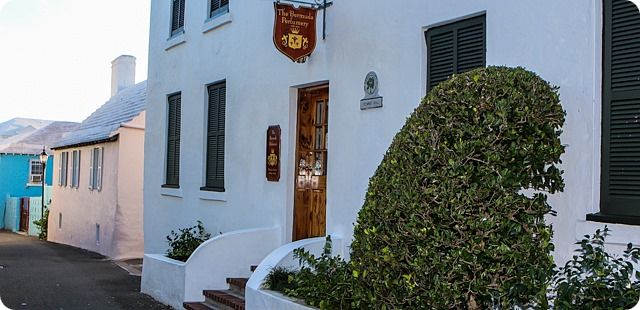
The Bermuda Perfumery in St. George's, Bermuda, with pastel houses
The Bermuda Perfumery. Photo: http://www.foreverbermuda.com

Bermuda itself is marvelously fragrant. The cottage we are renting has a garden with jasmine, rosemary, and a shrub I think is a loquat tree, with waxy white blossoms like orange blossom, that have a similarly semi-narcotic scent. When we stroll down to the water, the air smells of the impossibly blue saltwater, which sparkles in all shades of turquoise and even purple. It is a clean, salty smell, with very little of seaweed about it.

Do you like the scent of tropical flowers, or the seaside? Any particular favorite scents that evoke them?

On Monday, Portia and I will be posting our monthly collaboration Counterpoint so,I hope you’ll come back here to read it and share your thoughts!

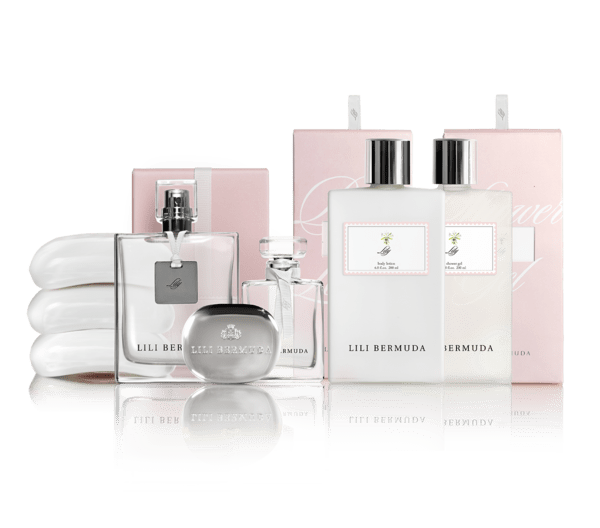
Lily fragrance collector gift set from Lili Bermuda
Photo: http://www.lilibermuda.com