Scent Sample Sunday: Choeur des Anges

Scent Sample Sunday: Choeur des Anges

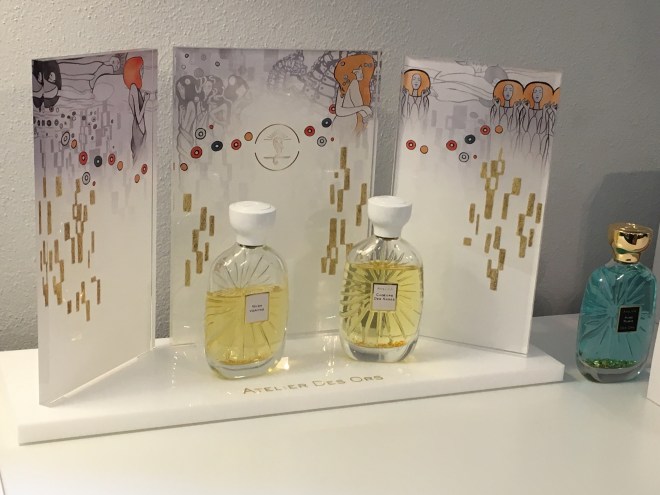
The third fragrance in the triptych of Atelier des Ors’ “White Collection” is Choeur des Anges. Like the other two (Nuda Veritas and Crepuscule des Ames), it is inspired by Gustav Klimt’s “Beethoven Frieze” and was created by perfumer Marie Salamagne, with direction by the house’s founder, Jean-Philippe Clermont. The brand’s description follows:

Choeur des Anges is a poetic celebration of colour, scent and joie de vivre fused with blood orange, carrot seeds, radiant fruits and flowers. A symphonic creation inspired by the harmonious voices of angels. An ambrosia like golden nectar of osmanthus and honey that sings in harmony to the gods. A fragrance that connects to the primal desire for happiness, where salvation is found in lyrical ambered tones. A radiant and joyous experience. A cocooned embrace. A kiss to the whole world.

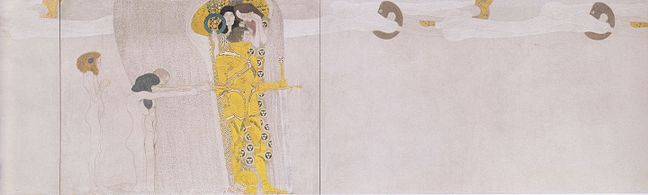
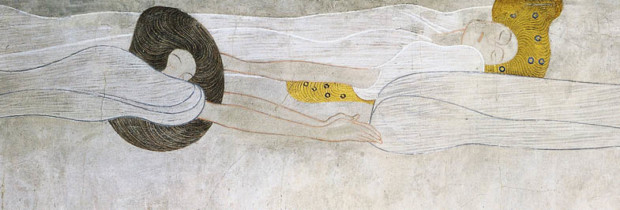
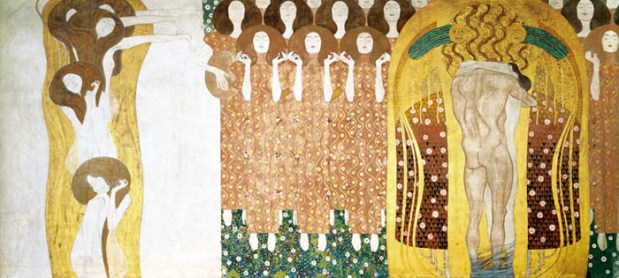
Choeur des Anges means “choir of angels”, and that angelic chorus is vividly shown in the last panel of the frieze that inspired Atelier des Ors’ White Collection.
Gustav Klimt's Beethoven Frieze, with choir of angels and human happiness

Gustav Klimt’s Beethoven Frieze

The golden thread of citrus that links all three fragrances continues in Choeur des Anges, with a gorgeous opening note of sweet blood orange. It is very beautiful — sweet in the way a real, ripe orange is sweet, not cloying or sticky. I’m a sucker for a great opening note, and this is one of the best among recent fragrances. Very quickly, the blackcurrant chimes in with its tangy yet herbal undertones. I don’t really smell the pear that is supposed to be part of the opening, but it is likely part of what softens the edges of the blackcurrant.

The last movement of Beethoven’s Ninth contains its most famous section, the “Ode to Joy” which many of us know well and which continues to inspire modern performances in unexpected places, from this flash mob in Europe to YouTube videos. I have a special warmth toward this piece, because it was adapted for use as a hymn in the 19th century by one of my grandfather’s favorite authors, Henry van Dyke. He is often overlooked today, but many Americans know his short novel “The Other Wise Man”  and this hymn, known by its first line, “Joyful, Joyful, We Adore Thee.” We and our guests sang it at our springtime wedding, in the same chapel where Prof. van Dyke worshipped, one week before Easter. Its first verse is the best known:

Joyful, joyful, we adore Thee,

God of glory, Lord of love;
Hearts unfold like flow’rs before Thee,
Op’ning to the Sun above.
Melt the clouds of sin and sadness,
drive the dark of doubt away.
Giver of immortal gladness,
fill us with the light of day

As with many fragrances, the middle stage of Choeur des Anges is mostly floral, the heart notes of orange flower and osmanthus stealing imperceptibly at first into the citrus opening, then taking center stage like flowers opening to the sun, as described in the hymn. These are sunny, happy flowers, appropriate to evoke the triumphant conclusion of humankind’s quest for joy. I smell the honey base note early; to my nose, it arrives not long after the flowers and lends them a polleny sweetness reminiscent of Easter and spring. The carrot seed note blends a rooty, earthy note into this middle stage, keeping the whole composition grounded, as this panel of the frieze reminds us that human joy is to be found on earth, as symbolized by the last, embracing figures, when love unites with art. Klimt apparently intended to convey that the arts are humankind’s salvation; but I choose to remember that today is Easter Sunday, when Christians celebrate the triumph of love over death, through the resurrection of Jesus, the Lord who took upon himself human form and human suffering on earth, thereby winning salvation for those of us still on earth. Easter Sunday is a day for flowers, celebration, singing, and rejoicing, as in the words of the hymn’s second verse:

All Thy works with joy surround Thee
Earth and heav’n reflect Thy rays;
Stars and angels sing around Thee,
center of unbroken praise.
Field and forest, vale and mountain
Flow’ry meadow, flashing sea,
singing bird and flowing fountain
call us to rejoice in Thee.

The final stage of Choeur des Anges is warm with amber and cedar, while the honey continues  to sweeten the drydown. I can still smell hints of the blood orange. No heavy musk, no spices. The ending of Choeur des Anges is warm, soft and gentle, like the embrace of the golden couple at the end of the Beethoven Frieze. Happiness, at last. Again, in this fragrance, Ms. Salamagne beautifully captures the spirit and symbolism of the masterpieces that inspired the White Collection, like its scent siblings Nuda Veritas and Crepuscule des Ames.

Of all the White Collection, Choeur des Anges is my favorite, though Nuda Veritas is close behind.  On my skin, it has good longevity, though not for longer than about six hours (not surprising, given the important role of citrus in its composition and the softness of its base notes, not to mention my dry skin). I don’t mind reapplying from my sample, because I do love the opening notes of sweet blood orange, and reapplying allows me to enjoy those again.

In honor of Beethoven’s music, Klimt’s artwork, and this lovely fragrance collection, I decided to post this on Easter Sunday, a day on which the “Ode to Joy” and the hymn it inspired are particularly relevant, and I’ll leave you with this image:
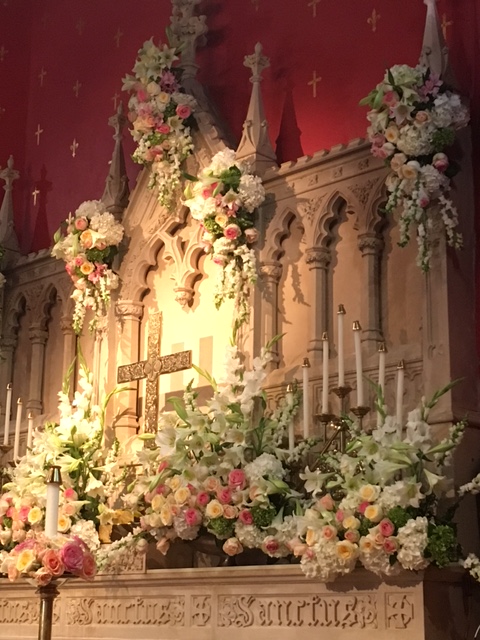
Altar and reredos with flowers for Easter Sunday

Easter Sunday

Have you tried any of the White Collection, or other fragrances by Atelier des Ors? Do you love any other fragrances with links to other forms of art, such as music or painting?

Sample kindly offered by Atelier des Ors; opinions my own.
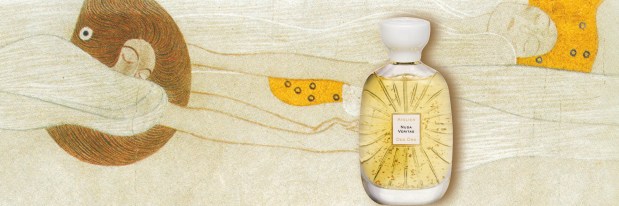
Scent Sample Sunday: Nuda Veritas

Scent Sample Sunday: Nuda Veritas

One year ago today, Cafleurebon published this announcement of Atelier des Ors’ new releases: the White Collection, and Bois Sikar, which I have previously reviewed. The White Collection consists of three linked fragrances based on Gustav Klimt’s “Beethoven Frieze”, which itself was inspired by Beethoven’s Ninth Symphony. Like all the Atelier des Ors fragrances, the perfumer who created them is Marie Salamagne.

I was lucky enough to visit the office of Atelier des Ors in Cannes this past January, thanks to an invitation from Megan of the blog Megan in Sainte Maxime. I met her for the first time in person, and I also met Jean-Philippe Clermont, creative director and founder of the brand, and was introduced to some of Atelier des Ors’ beautiful scents.

M. Clermont has himself written about finding his inspiration for his White Collection in Klimt’s masterpiece. Like the frieze, the three scents are meant to evoke the human spiritual quest for joy and its stages, as Sergey Borisov described so well in the piece he wrote about the collection for Fragrantica. Miguel Matos also wrote an excellent review of the White Collection for Fragrantica, here.

Nuda Veritas represents the first stage of that journey. Its top notes are bergamot, an aquatic scent molecule called Transluzone, and neroli. Heart notes are osmanthus, Jasmine Sambac, Chinese jasmine, and tiare flower. Base notes are patchouli, marigold, the scent molecules Ambroxan and Helvetolide, and moss.

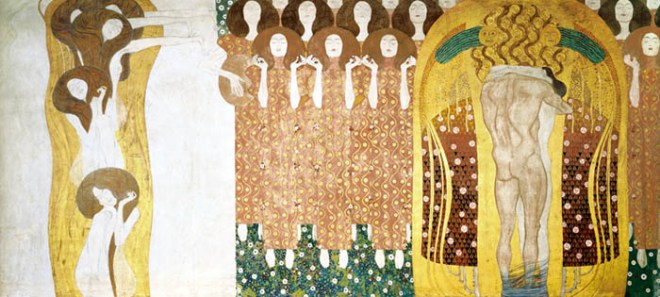
The impression Nuda Veritas gives is that of shimmering, early dawn light, at the break of day when the dew still refreshes the landscape. It evokes the hopes of humankind, as does the first panel of the Beethoven Frieze, whose figures symbolize humanity pleading for rescue by a knight who represents strength. Behind him are female figures symbolizing Compassion and Ambition, the two motives that might inspire such a knight to take up arms in defense of others. Above them all float female “Genii”, celestial spirits who are searching, seeking, as hope looks ahead, seeking for a happier destiny, portrayed in shades of white and gold.

Panel, Gustav Klimt's Vienna Secession Beethoven Frieze

First panel, Gustav Klimt’s “Beethoven Frieze”.

Detail of panel of Gustav Klimt's Beethoven frieze, female Genii

Detail of panel, Beethoven Frieze by Gustav Klimt

Of all the figures on this panel, Nuda Veritas most clearly evokes these female Genii, with its floating, shimmering, golden tones. It opens with a clear citrus note from bergamot, coupled with the aquatic notes and the brightness of neroli. The opening is very lovely, reminiscent of dawn light over a tranquil sea, horizon glimmering in the distance. It moves gently into the jasmine heart notes, partnered with osmanthus and tiare. Although these are all white flowers, they are used here with a subtle touch; there is no “BWF” explosion or dominance. Just as dawn’s golden light slowly shifts to a whiter daylight, so Nuda Veritas’ tone shifts from the clarity of its citrusy aquatic opening to a whiter, slightly creamier, more floral heart phase.

As it dries down, Nuda Veritas fades away, leaving earthy, herbal notes of patchouli, marigold, and moss, warmed by the smooth and slightly fruity musk of Helvetolide, and the depth of Ambroxan. I love the marigold, or tagetes, note in the base, as I enjoy both the flowers and their scent in real life; they smell like a mix of floral, aromatic, and slightly musky green, which works well in Nuda Veritas. I can’t describe the Ambroxan note any better than The Candy Perfume Boy, did here:

I perceive it as a very silky, silvery material. It’s immediately evocative of the ocean but in a purely mineral way – it doesn’t posses an aquatic character, but one does get the impression of salt and wet stones. There’s also a sweetness to Ambroxan – a transparent, glittering and crystalline feel, as well as a soft, skin-like woodiness. It’s a fascinating, multi-faceted material that can be pulled in many directions, but it’s also tremendously diffusive, adding an expanse to fragrances, creating space, in which beautiful nuances can dance.

One thing I find interesting about his description is how well it also describes part of the overall artistic purpose of the White Collection, which is to “pay homage to the white space; the page, canvas, or an idea before its conception, at the point of materialising.” The use of Ambroxan in Nuda Veritas does add “white space” to the fragrance, in which its many nuances dance. This also recalls a key aspect of Japanese aesthetics, in which the space between objects or lines, or “ma“, is as important as the lines or objects themselves. Klimt is known to have been much influenced by Japanese art and methods, so here again are a lovely connection and consistency between the art that inspired these scents and their composition. (In fact, one of Klimt’s most famous and controversial paintings is called “Nuda Veritas”, or “Naked Truth”, and its composition is also consistent with its namesake perfume).

The entire triptych of scents in the White Collection offers layer after layer of hidden meanings, using perfume as the evocative art to express them. Like Bois SikarNuda Veritas is a highly intelligent work of perfume art. Marie Salamagne’s brilliant creation evokes dawn, morning, and springtime, all symbolic of hope and new awakenings. For me, it is a scent that perfectly suits Palm Sunday, which Christians around the world celebrate today. Palm Sunday traditionally celebrates the triumphal entry of Jesus into Jerusalem and marks the start of Holy Week. As we know, the joy of that day will soon give way to Judas’ betrayal and the cross at Golgotha. But on that first Palm Sunday, the people who were present believed that their Savior had come, in response to the pleas of suffering humanity, and hope was in the air.

Sample kindly offered by Atelier des Ors, independent opinion my own.

Fragrance Friday: Neil’s Book “Perfume”

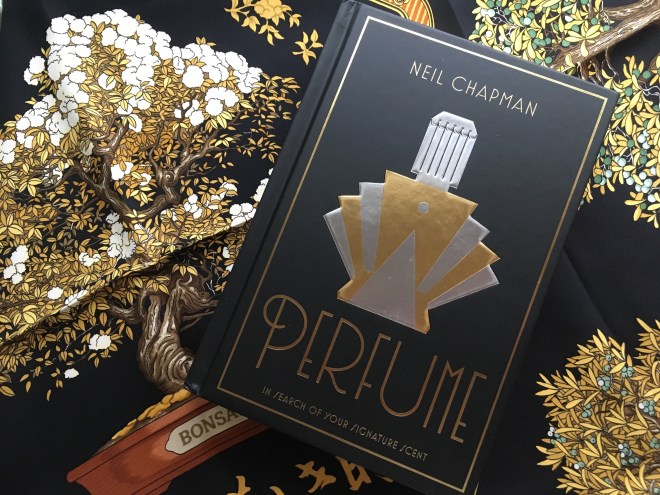
I am in awe of the fact that Neil Chapman, author of the blog The Black Narcissus, has written and had published an actual BOOK! It is called “Perfume: In Search of Your Signature Scent”, and it just came out in the US (it came out a short time earlier, in March, in the UK). You can buy it on Amazon, where I had pre-ordered it; I came home from work earlier this week to find the package waiting on my doorstep. It is also available online and at booksellers such as Blackwell’s and Barnes & Noble.

As others have written, the book itself is beautiful, a hardcover volume with an Art Deco cover design in black, gold, and silver, and gold-edged pages. If you have ever read The Black Narcissus, you know that Neil is a wonderfully gifted writer with wide-ranging interests. His posts about fragrance include many cultural references and observations from his years living in several countries, from his childhood and youth in England, to his current home in Japan. He studied Italian and French literature at Cambridge University, and he now teaches English to Japanese secondary school students. His literary sensibilities suffuse his writing, but he also includes deeply personal reminiscences and a vast knowledge of perfume: history, ingredients, creators, etc.

Neil’s individual reviews of specific perfumes are grouped into categories such as “Green”, then by notes like “grasses, leaves and herbs.” (As a lover of green fragrances myself, I was thrilled that this is the first chapter!) It is a remarkably user-friendly format with an exhaustive index if one just wants to read one review of a specific fragrance. Neil has a poetic sensibility and lifelong love of perfume, both of which his writing reflects. As he says, “In its wordless abstraction, a beautifully made scent can encapsulate an emotion; smell, with its visceral link to the unconscious, is unique in its emotional immediacy.” His short reviews of individual fragrances combine information about their components and creation with his own reactions to wearing them, or memories of times when he wore them. Since his own perfume collection must number in the thousands, including many rare vintage perfumes, even the most profligate collectors of perfumes will find surprises and revelations. However, the book is also a very accessible guide for those who are just exploring fragrance, or, as he writes, “a guide through a world that can at times seem overwhelming.”

Bravo, Neil! I’m wearing Vol de Nuit in your honor today! To learn more about Neil, check out this interview on the blog “Olfactoria’s Travels.”

Thunking Thursday: My Burberry

Thunking Thursday: My Burberry

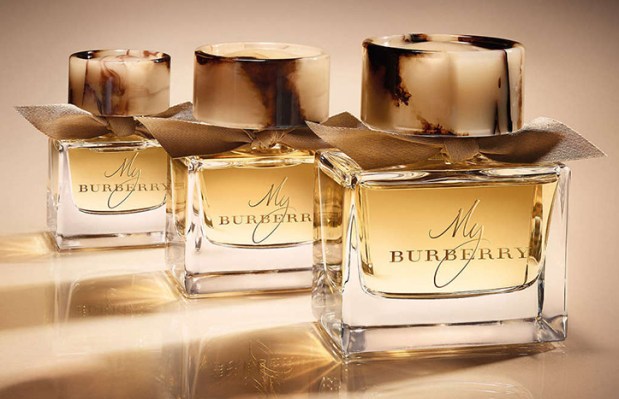
This week’s sample thunk is My Burberry, created by Francis Kurkdjian. It is a pretty, fruity floral scent, very suitable for spring and summer. It doesn’t wow me, but it doesn’t offend either. I should confess that fruity florals just aren’t my thing — not surprising, since I am well out of the age range that fragrance companies are trying to attract with such scents. Here are some of the perfumer’s thoughts on this one: he wanted to evoke “the feeling of the light of London: clouds, wetness, rain, flowers.” The main floral notes are roses and freesia, “which is a little bit spicy and adds brightness. Then geranium leaves, which give an herbal, almost minty, vibrancy to the perfume. Then from the back note, there are patchouli leaves and quince—a fruit that is between a pear and an apple. Very British. It is not fruity, fruity. It is fruity floral. Then on top you have linen and bergamot.”

My Burberry is nice, but I have more interesting fragrances to wear. It would probably make a nice gift for a young woman who likes the trim image of a modern Burberry trench coat and its youthful classic style. I won’t be needing a full bottle for myself, though. Thunk!

Featured image from http://www.us.burberry.com

Scent Sample Sunday: Galanos

Scent Sample Sunday: Galanos

Occasionally I find a fragrance gem online, for sale by a resale shop that has discovered the internet. This spring, my find was the first fragrance from designer James Galanos, an eau de toilette named, simply, Galanos. James Galanos was highly selective in all his choices, from the very wealthy women who were his preferred and devoted clientele (most famously, Nancy Reagan), to his refusal to license his name for almost anything: the two exceptions were furs, and fragrance.

There are only two Galanos fragrances: the first, eponymous one, and a flanker called Galanos De Serene. Both can be found in eau de toilette and parfum though both have been discontinued. I found an unboxed bottle of the first eau de toilette, for sale online, and I knew I would probably like it as I already had a small bottle of the parfum. The fragrance was created in 1979 and won a FiFi award in 1980, the one for “Women’s Fragrance of the Year — Prestige”. I have been unable to find out who the perfumer was; please comment below if you know! Angela at “Now Smell This” wrote a terrific review of Galanos, aptly comparing its appeal to that of classic vintage clothing.

There was only one catch to my purchase: when it arrived, the top of the sprayer turned out to be a replacement that didn’t work. I contacted the seller (from whom I had successfully bought a vintage fragrance once before), who immediately offered to send a replacement top or a partial refund. Since I was pretty sure I would be able to use a Travalo to get the fragrance out, the price had been very reasonable, and it really wasn’t worth the seller’s time to send a new top that might not work either, I took the partial refund and bought my first Travalo. Happily, it worked!

Basenotes analyzes Galanos as follows: top notes: lemon, orange, mandarin, chamomile, coriander, clove, and bay leaf; heart notes: lily of the valley, orange blossom, jasmine, gardenia, ylang ylang, rose, geranium, carnation; base notes: cypress, musk, amber, vanilla, tonka bean, vetiver, cedarwood, oakmoss, sandalwood, and patchouli. It smells to me like a cross between a floral chypre and a green chypre, with the herbal top notes in smooth balance with the floral heart notes, and its woody, mossy, aromatic base. It reminds me a bit of Estee Lauder’s Azuree, but with a more floral, 1980s vibe. The notes that “speak” to me most strongly are the carnation and geranium notes, followed closely by ylang ylang and gardenia, but the herbal notes are evident from start to finish.

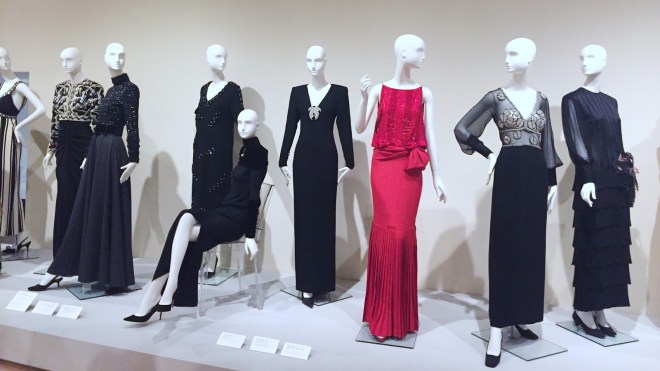
James Galanos was famous for the craft of his designer clothing, often compared favorably to Parisian “haute couture” although his creations were ready-to-wear (but still VERY expensive). Galanos’ designs reached their height of fame in the decade of excess, the 1980s, and he used only the most expensive materials and finest workmanship, but you rarely see huge puffy sleeves or gigantic flounces on his dresses.

Gowns by designer James Galanos at Phoenix Art Museum retrospective exhibit

James Galanos gowns; image from Phoenix Art Museum.

You see elegant, feminine lines, often enhanced by exquisite embroidery. Nancy Reagan once commented about his dresses that “you can wear one inside out, they are so beautifully made.” His fragrance is consistent with that elegant, luxurious simplicity: understated, classic, of its era but also timeless. It feels like an elegant accessory, meant to complement the wearer and the outfit instead of outshining or competing with them.

Designer James Galanos in clothing atelier

James Galanos; photo by Getty Images

Although James Galanos retired in 1998 and died in 2016, you will still see his creations on the red carpet, since many stylish women wear vintage Galanos gowns to occasions like the Academy Awards and the Met Costume Institute Gala, where they are as elegant and timeless as ever. I wonder if any of the wearers know that they could also wear the perfect fragrance accessory with those beautiful gowns?

Do you have any fragrances that you think of as couture accessories? Favorites?

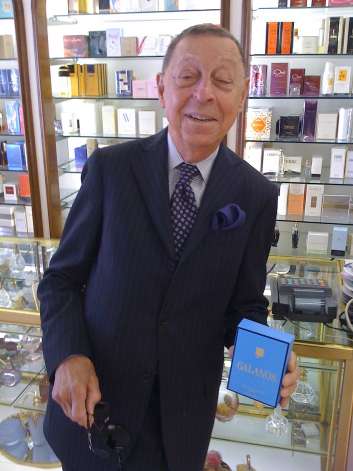
Just had to add this photo, taken in the early 2000s in San Francisco, when Mr. Galanos was delighted to discover a perfume boutique that still carried his fragrance:

Fashion designer James Galanos in Jacqueline perfume boutique, San Francisco

James Galanos with his fragrance; image from San Francisco Chronicle

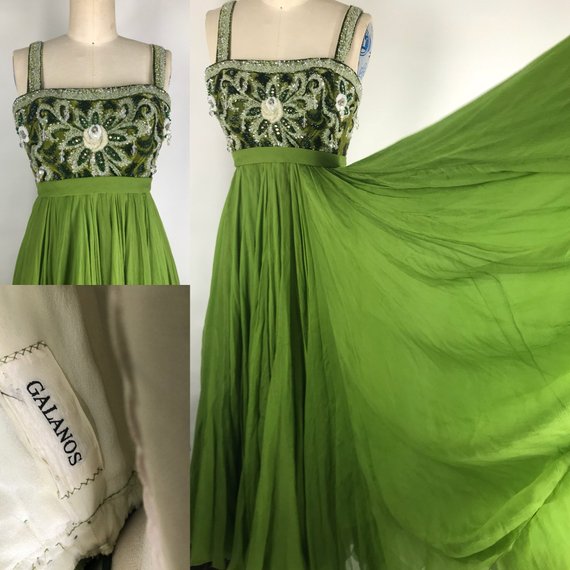
Featured image: James Galanos vintage gown (1950s), www.etsy.com.

An inclusive fragrance for all genders — Now Smell This

According to Eris’ complaint, which was filed in a New York federal court late last week, since 2017, it has been using the trademark-protected “MX” mark on a “high quality” fragrance created by its founder Barbara Herman and “master perfumer” Antoine Lie. Advertised as “an inclusive fragrance for all genders,” the “MX.” name – pronounced…

via An inclusive fragrance for all genders — Now Smell This

Barbara Herman, founder of Eris Parfums, and her company have sued Urban Outfitters for trademark infringement, unfair competition and false designation of origin, and copyright infringement, based in part on alleged copying of the distinctive “Mx” mark on one of Eris’ fragrances, Mx., and promotional copy from Eris’ website. More details are here: Urban Outfitters Slapped With Lawsuit Over Gender-Free Fragrance.

I hope this small, independent perfumer gets a fair hearing in court.

Scent Sample Sunday: Vraie Blonde

Scent Sample Sunday: Vraie Blonde

For National Fragrance Day this past week, I chose to wear Etat Libre d’Orange’s Vraie Blonde, mostly for its note of pink champagne. It turned out to be a prescient choice, because we went to an engagement party last night for a friend’s daughter, and the happy couple was toasted with flutes of pink champagne! Vraie Blonde was created by Antoine Maisondieu in 2006 and it is still sold through the website and other retail outlets, so it has clearly found its fan club. The copy on the brand’s website says:

She has all the assets of platinum blond seduction. A full-fledged décolleté, shapely hips and a sensuous catlike walk. A perfectly curvaceous body in a sequined lamé dress, a Technicolor version of the American dream! Accords of ambergray, fur and white pepper evoke an excess of luxury, the flashiness of casinos, women in sheath dresses and Marilyn naked under a mink coat. Is she a real blonde?

To know the answer one will have to wait for nudity… Flushes of aldehydic notes fill the bedroom air, a tribute to the perfume the star wore at night, red-hot kisses enhanced by a bubbling thirst-quenching pink champagne note that leaves one panting. One feels like biting into this lovely sugared almond. Everything a brunette ever dreamed of!

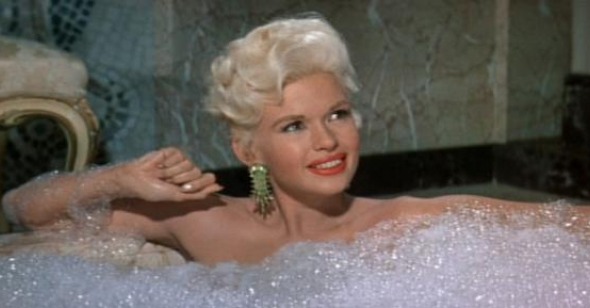
Vraie Blonde is a FUN scent. It is bubbly and pretty and it doesn’t take itself very seriously. In fact, it reminds me of Jayne Mansfield, another platinum blonde bombshell and contemporary of Marilyn Monroe, in her most famous role: Hollywood star Rita Marlowe, in the comedy “Will Success Spoil Rock Hunter?” One of the funniest scenes in the movie shows her in a bubble bath, reading “Peyton Place” and shrewdly discussing her publicity with her trademark breathiness and mew, like a kitten, at the end of her sentences.

The film, based on a hit Broadway play in which Jayne Mansfield also starred, is a farce about how a hapless junior advertising man, played by Tony Randall, gets ensnared in a starlet’s scheme to make her TV star boyfriend jealous, by pretending that he is her new love interest. In return, she agrees to become the “face” of his client, “Stay-Put Lipstick”, as her own PR promotes her as “the most kissable” star in Hollywood. Yes, it’s a very silly film, but it is oh so funny! And a big part of the reason it is still so funny is Jayne Mansfield, who fully understands and uses the comic potential in her blonde bombshell image, even more fully than Marilyn Monroe (a gifted comedienne overshadowed by her tragic life and death). While Jayne Mansfield also died in tragic circumstances, people who knew them both often said that Monroe’s vulnerability was real and deep, while Mansfield had a more resilient, tougher attitude that allowed for more self-mockery.

In “Will Success Spoil Rock Hunter?”, Jayne Mansfield basically played an exaggerated version of herself: a voluptuous, platinum-from-a-bottle blonde starlet whose ditzy exterior and mannerisms concealed a determined and strategic will.

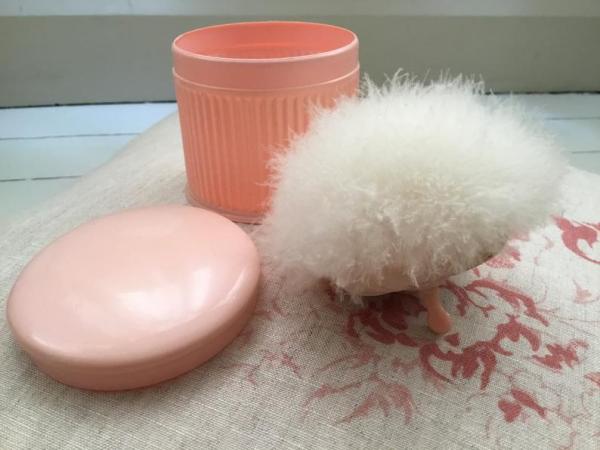
Like the film, Vraie Blonde is a light-hearted romp. It opens with the sparkle and bubbles of aldehydes, combined with a soft, peachy top note that is just right and not too sweet. I also smell a light powder note, like one of those swansdown powder puffs sometimes found with vintage powder boxes.

pink powder puff

Swansdown powder puff, from VintageInTheShires, http://www.etsy.com

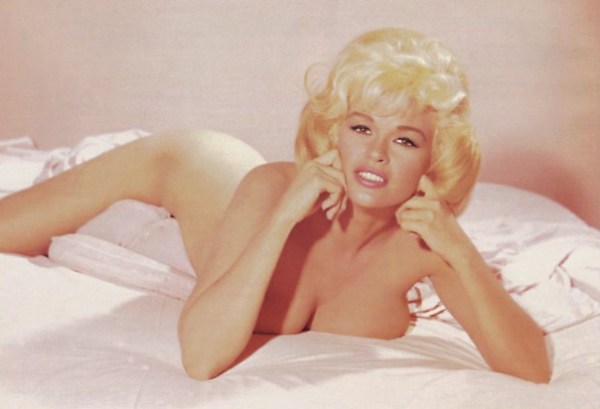
A pink rose hovers nearby, while a touch of white pepper spices things up — just like the 1950s calendar girls and centerfolds, who were considered naughty back in their day, and who now seem impossibly wholesome by today’s standards.

Blonde movie star Jayne Mansfield as a centerfold model.

Jayne Mansfield, centerfold.

Jayne claimed the color pink as her “signature” color, which was something starlets did back then. She took it all the way, in line with her exaggerated public persona: painting her Hollywood mansion pink and outfitting it with pink fixtures and lights, even pink fur in its bathrooms, driving a pink convertible, and of course, wearing pink frequently in public. In fact, her “Pink Palace” had a fountain filled with pink champagne!

As Vraie Blonde dries down, a synthetic ambergris note emerges, listed as “ambergray”, which provides a pleasantly sensual but light note of warm skin, with suede notes to evoke the luxurious furs we associate with Hollywood glamor of the past. The peach and rose notes persist, however, tinting the fur with shades of pink.

I’m really enjoying my Scentbird decant of Vraie Blonde! It’s a lively, charming fragrance with a sense of humor. And really, what’s not to celebrate about that?

Do you have any borderline kitschy fragrances that remind you of movies or other entertainment?

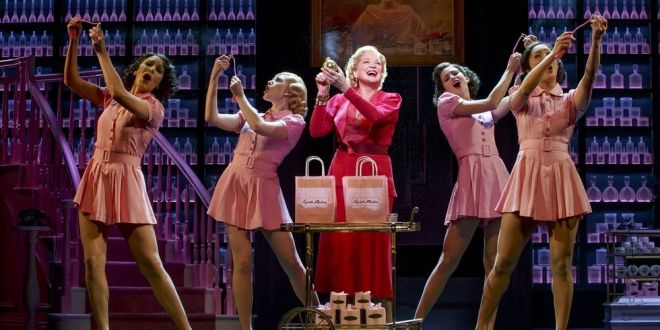
Christine Ebersole as Elizabeth Arden in the musical War Paint

War Paint; image by Joan Marcus for Town & Country magazine

Fragrance Friday: Perfumers Who Are Women

Fragrance Friday: Perfumers Who Are Women

Happy International Women’s Day! In honor of the day, Fragrantica published a very nice article highlighting several celebrated perfumers who are women, and some of their creations: Perfumery: Women Creators. In the comments section, readers have started adding their own suggestions. In no particular order, suggested additions include:

Olivia Giacobetti, Liz Moores, Anne Flipo, Sidonie Lancesseur, Nathalie Feisthauer, Daphne Bugey, Vero Kern, Josephine Catapano, Shelley Waddington, Shyamala Maisondieu, Nathalie Gracia-Cetto, Sonia Constant, Christine Nagel, Mathilde Laurent, Sarah McCartney, Dawn Spencer Hurwitz, Mandy Aftel, Ayala Moriel, Laurie Erickson, Charna Ethier, Diane St. Clair, Claire Baxter, Marie Salamagne, Lyn Harris, Nathalie Lorson.

Do you have any favorite perfumers who are women? Any favorites among their creations?

Here are some of mine:

Liz Moores: Dryad; Christine Nagel: Twilly; Mathilde Laurent: Cartier Carat; Sarah McCartney: White Queen; Diane St. Clair: Gardener’s Glove; Marie Salamagne: Alaia; Lyn Harris: Terre d’Iris; Nathalie Lorson: Shiseido Zen 2000; Jo Malone (the person): White Rose & Lemon Leaves; Marie-Helene Rogeon, Clair Matin.

Featured image: Dawn Spencer Hurwitz, from www.denverartmuseum.org.


Fragrance Friday: Atelier des Ors and Bois Sikar

Fragrance Friday: Atelier des Ors and Bois Sikar

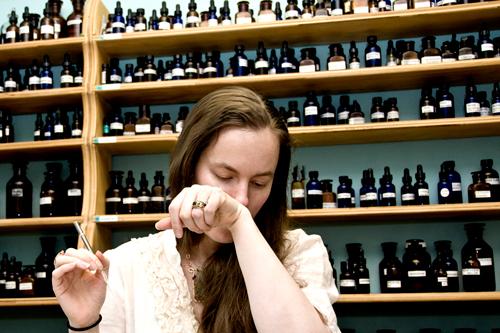
In late January, I had such a lovely blogger experience! I was in Nice for a week, taking a break from work to accompany my husband on his business trip, and free to do whatever I wished during the day. I reached out to a blogger whose fragrance blog I love, Megan in Sainte Maxime, and asked if she might like to get together for coffee or lunch. She said yes! She was working in Cannes, which is a short train ride from Nice, so I met her there. My very first blogger meet-up! And let me just tell you how much grief I got from my oldest daughter, who spent her teens being told “Don’t talk to strangers on the Internet! Never go meet someone you met online!” That child has been waiting for ten years to say that stuff back to me, even tongue in cheek.

Fragrance writer/blogger Megan in Sainte Maxime

Megan in Sainte Maxime; image from her Facebook page

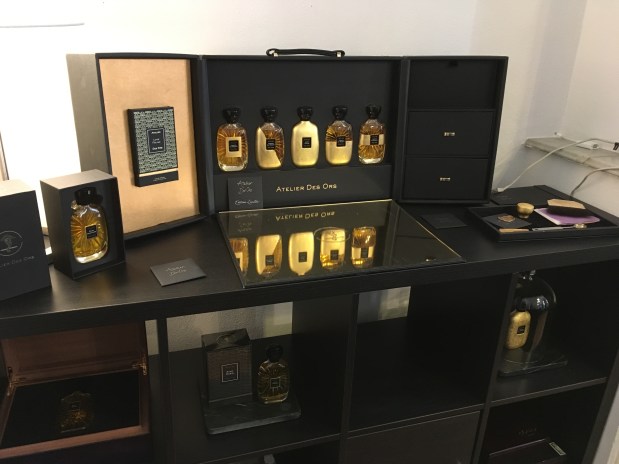
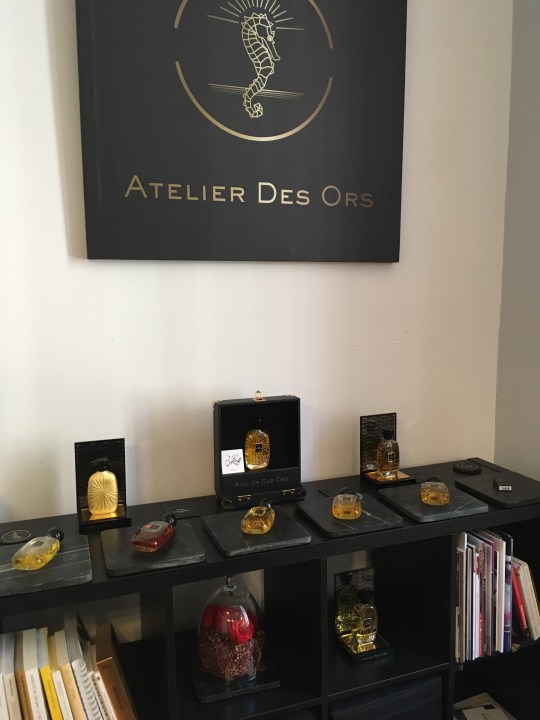
Megan is as charming in person as she is in her blog. She graciously took me to a local coffee shop, then invited me to the offices of Atelier des Ors, where she has been doing some work for the line and its founder, Jean-Philippe Clermont. The two of them spent a generous amount of time showing me the house’s latest fragrances, also created by perfumer Marie Salamagne as are all the Atelier des Ors fragrances. Marie Salamagne is the perfumer behind Alaia and its flankers, Mugler’s Aura, Yves St. Laurent’s Black Opium and several flankers, and others you would recognize immediately, including several for Jo Malone. She is a great talent.

img_7969

Visit to Atelier des Ors, Cannes, France

The first five fragrances of Atelier des Ors were launched in 2015, joined by two more in 2017 and four new ones in 2018. Jean-Philippe wrote his own account of how he came to the creation of a perfume house for CaFleureBon, in 2016: CaFleureBon Creative Directors in Perfumery: Jean-Philippe Clermont. It seems he has been surrounded by interesting scents in exotic locations since his youth, including extensive travel in Asia and the Middle East. For some years, he ran a business dealing in fine cigars, and that experience sparked a passionate interest in fragrance and the materials that combine to create great fragrances, because of the variations among the cigars and the blends of tobacco that give rise to fragrant smoke.

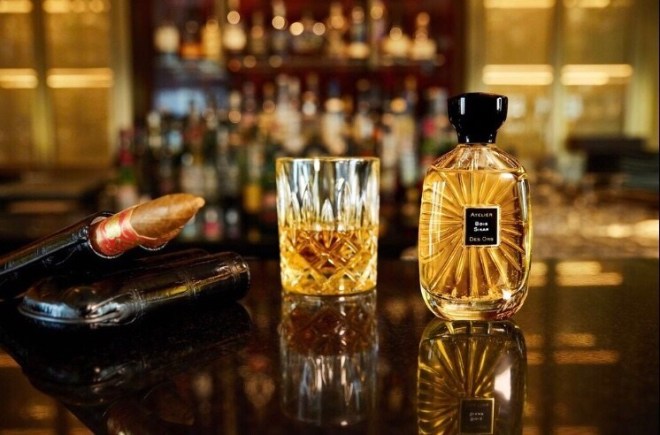
Three of the four 2018 fragrances are the “White Collection”, inspired by Gustav Klimt’s “Beethoven Frieze” in Vienna, Austria. Sergey Borisov wrote a lovely piece about the collection and its inspirations on Fragrantica. The fourth fragrance of 2018 is Bois Sikar, considered part of the “Black Collection.” It was inspired by Jean-Philippe’s cigar business, a very masculine scent, evocative of the scents one might find in a traditional London private gentlemen’s club:

A beguiling smoky tobacco scent with robust woody tonalities swirling against the heady vapours. The unique, smoky, peaty character of Islay’s single malt whisky is simultaneously conjured to create the essence of Bois Sikar. These addictive facets entwine with cedar leaf creating an intensely intoxicating fragrance.

Bois Sikar eau de parfum by Atelier des Ors, with whisky and cigar

Atelier des Ors’ Bois Sikar

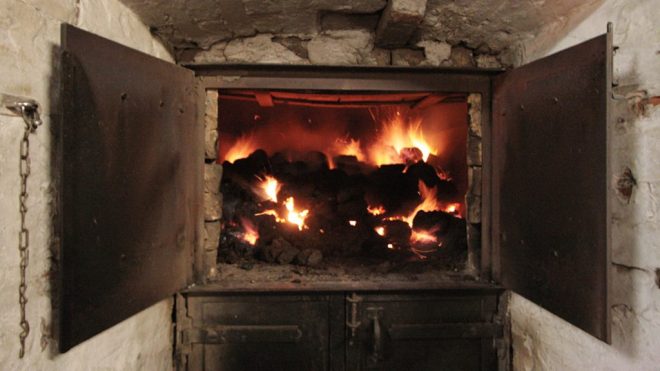
Bois Sikar is powerful stuff and not for the faint of heart, but it’s brilliant. A little goes a LONG way. The opening is woodsmoke and it is strong. It mellows slowly on the skin, as I imagine an Islay whisky mellows on the tongue after a rough start. Not that I’ve had any Islay whisky myself — I don’t care for Scotch, although it was my father’s drink. I have read that Islay whiskies are especially strong and have an intense flavor of peat smoke, which is used on that Scottish island — known as the “Queen of the Hebrides” and the “burning heart of smoky whiskies” — to smoke the malted barley that is used to make this distinctive local whisky. One writer describes this process: “The peat fuels the fires that roast the barley used in whisky-making, and it gives the finished product a robust flavor that recalls a campfire by the sea: smoky, earthy, a little salty, slightly medicinal.” Big, powerful, fierce, distinctive, super-smoky — these are the descriptors used for Islay whisky.

Peat kiln used in Scotch whisky distillery, Highland Park, Orkney

Peat kiln at Highland Park distillery, Orkney; image from www.whiskyadvocate.com

Commenters on Fragrantica are polarized about Bois Sikar, and their reactions are really all about the smoke. Either they love it, or they hate it. Several refer to it as smelling like a campfire; some who dislike it even use the word “barbecue.” It doesn’t smell to me at all like anything related to barbecue, as there are no food or meaty notes, but “campfire” is accurate. However, this campfire is stoked with fragrant wood, like the apple, mesquite, and cedar wood chips one can buy to add to regular logs in a firepit. This makes sense, given the deliberate evocation of peat fires; I suspect that some of the commenters have as little direct experience with Islay whiskies as I do!

Let us not forget the cigars. Here too, my firsthand knowledge is sadly lacking, although cigars were another pleasure my father enjoyed occasionally. It is interesting that, like whiskies, fragrances, wine, cigars are said to vary widely in their flavors or notes. Like fragrance writers, those who write about cigars review them and post “Best of” lists, such as Havana Insider’s Best Cuban Cigars of 2018.  After the initial blast of woodsmoke fades away, I do smell the tobacco in Bois Sikar. I’ve never smoked myself, but I do like the scent of good tobacco, and that is what I smell here.

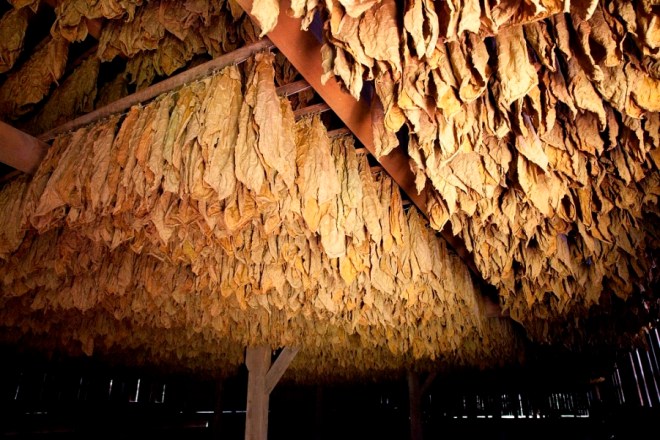
Tobacco barn Windsor CT

Tobacco drying in shed, Windsor, CT; image from http://www.connecticutbarns.org

As Bois Sikar dries down, the smoke slowly dissipates and one is left with a pleasantly woody, dry, tobacco scent, reminiscent of an old tobacco shed, or barn, in the middle of a dry field, after harvest. (I do have personal knowledge of those, as I grew up in Connecticut, where a tobacco industry was established in the early 1600s and continues to this day). The drydown and base note stages are  warm, woody, complex, and quite alluring. I applied two small sprays of Bois Sikar on my wrists last night, and this morning it was still fragrant on my skin when I woke up.

Old tobacco shed, barn, in Connecticut River Valley.

Connecticut tobacco shed; image from http://www.connecticutbarns.org.

I think the dryness of the base comes from the vetiver that is listed. I like Bois Sikar a lot, though it’s not my style of fragrance for myself and you have to be ready for that powerful opening. Although I believe that anyone who likes a fragrance can wear it, Bois Sikar is definitely a fragrance at the far end of the traditionally masculine spectrum. It lasts a long time, and the opening is intensely smoky. For those who want to wear it on social occasions, I recommend spraying it in small amounts a good hour before you leave home, as the powerhouse opening may overwhelm bystanders! If you want to wear it to work, proceed with caution and apply very lightly, allowing even more time for it to dry down before you go to your workplace.

I thoroughly enjoyed my visit to Cannes, my meet-up with Megan and Jean-Philippe, and my introduction to Atelier des Ors! The “White Collection” is much more my personal vibe, and will be the subject of a separate post, as its three scents warrant closer attention on their own.

What traditionally “masculine” fragrances do you enjoy, on yourself or on others? What do you think of strongly smoky fragrances? Any favorites?

Review based on a sample provided by Atelier des Ors, opinions my own.

Scent Sampling Sunday?

Scent Sampling Sunday?

The New York Times published an article this week called How To Choose the Right Perfume or Cologne for You. What say you, perfumistas? Do you agree with the quoted experts? What’s your approach to sampling or trying new scents?