November’s “Notes on Notes” is about oud, or agarwood. I don’t think I can provide a better or clearer explanation than this, from Sarah McCartney in her book “The Perfume Companion: The Definitive Guide to Choosing Your Next Scent”:
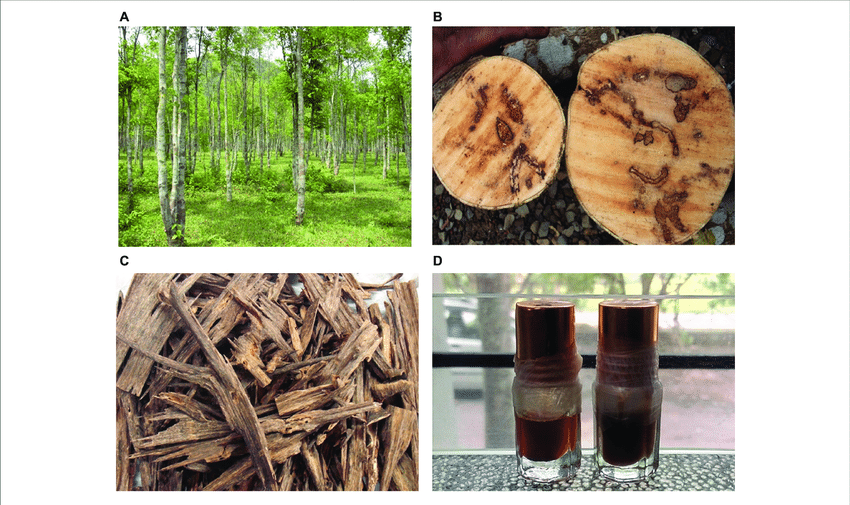
Oud is Arabic for wood, and you’ll also see it spelled oudh, aoud, and aoudh. An oudh is also a musical instrument which looks a lot like a lute. In perfumery, though, it’s a specific kind of wood from the agarwood tree, also called aloewood. Even more specifically, this tree must be infected by a species of mould, Phialophora parasitica, which makes it strongly whiffy.
Agarwood and its products; image from Researchgate.net.
Perfumer Geza Schoen offered this explanation to Allure magazine in its excellent article:
Natural oud, the scent (the essential oil) arises when a particular fungus places itself on an Aquilaria tree. A reaction creates a resin that slowly embeds into the wood creating agarwood, known as oud, which is then soaked, and using a distillation and evaporation method is developed into an oil.
That is how perfumers in the Middle East, India, and the Far East have traditionally made a essential oil that can be very costly. As many perfume-lovers know, oud has been a trend in Western perfumery for several years (6 Western commercial fragrances based on oud were launched in 2007, over 200 by 2019), but what we mostly encounter is a synthetic re-creation of that oil, which puts oud-based fragrances within reach of many more fragrance lovers. The qualities of oud that don’t attract me are when it is used heavily to evoke smoke or leather. A great reference for some fragrance-lovers, but not really me. However, I’ve read that there are many different facets to oud, in nature depending on the specific variety of Aquilaria tree and the environment where it was grown, so I’m sure the synthetic creations also vary widely.
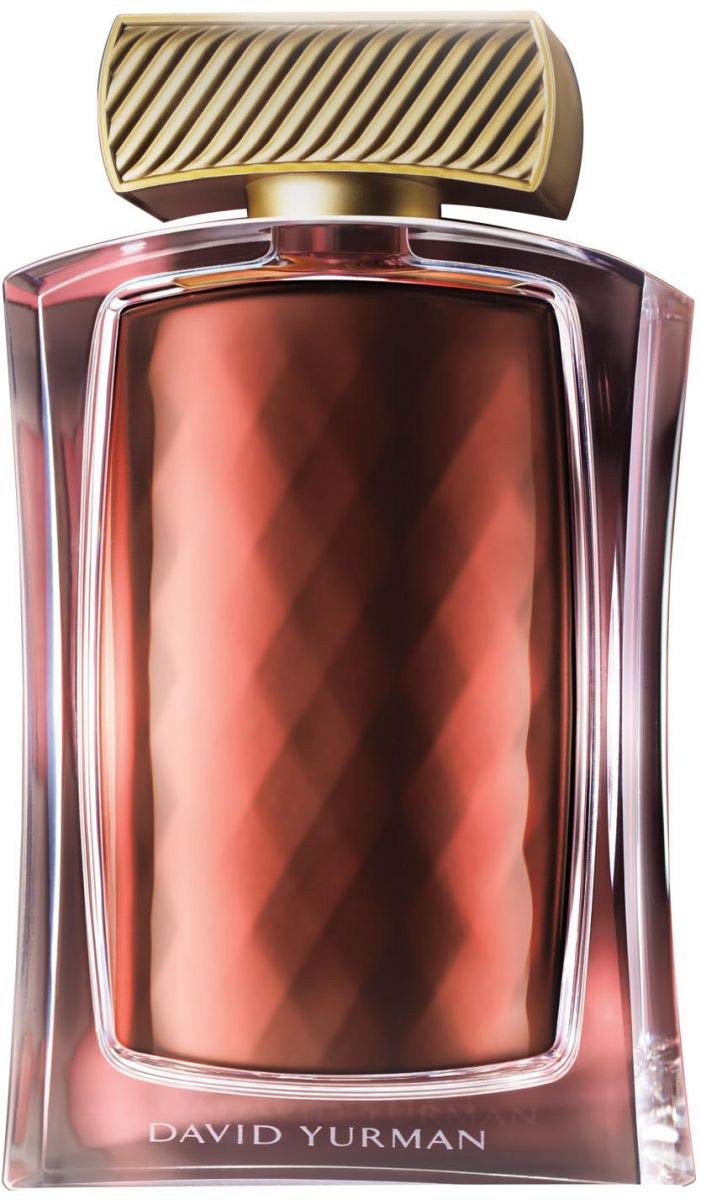
I’ll be honest – I can’t think of many oud-focused fragrances that I like a LOT, though I don’t object to it as a supporting player. It may be that my nose is acting sensitive toward a synthetic, but that’s not usually an issue for me. And I’ve gotten weary of every other new fragrance seeming to have “oud” in its name! There is one oud-centric fragrance that I really do enjoy a lot, and it grows on me every time I wear it: David Yurman Limited Edition. It is a classic combination of rose with oud, and both are used with a deft touch. The bottle, by the way, is gorgeous, a heavy, faceted, dark red crystal flacon.
David Yurman Limited Edition extrait de parfum; image from Amazon.com
Launched in 2011, it is an extrait de parfum with central notes of oud and Taif rose. Top notes also include coriander, geranium, saffron, and raspberry, but the rose and oud notes appear immediately and carry through the parfum’s development, so the typical pyramid structre may not accurately describe it. Heart notes include violet and jasmine, though at this stage my nose is so distracted by the Taif rose and oud that I hardly detect them. Base notes add suede, musk, vanilla, and sandalwood. Interestingly, the notes list makes a point of saying “natural agarwood”, though that is no guarantee that the ingredient used isn’t synthetic.
I think this is a very skillful fragrance. The rose and oud could have been overwhelming, and they’re not, at least not with a controlled application, lol. This fragrance is all about gentle, rosy warmth with a bit of spice. The notes are well-blended, with saffron and fruity raspberry peeking through. The rose fades away sooner than the oud but it still hums softly in the background. DY Limited Edition reminds me a bit of Aramis’ Calligraphy Rose, and I wonder how it would compare to Calligraphy Saffron, which I haven’t tried. It’s not clear who was the perfumer behind DY Limited Edition, but I think it has to have been Harry Frémont of Firmenich, who created all the other David Yurman fragrances (the link will take you to a long interview of him by Richard Goller of the Fragroom blog).. He certainly knows his way around a rose, too, as a creator of Estée Lauder’s marvelous Knowing, as well as dozens of other scents.
Have you tried DY Limited Edition? Or can you suggest other oud fragrances that would appeal to a floral lover like me? Drop by Australian Perfume Junkies to see what Portia has to say about oud!
Welcome to the weekly Perfume Chat Room, perfumistas! I envision this chat room as a weekly drop-in spot online, where readers may ask questions, suggest fragrances, tell others their SOTD, comment on new releases or old favorites, and respond to each other. The perennial theme is fragrance, but we can interpret that broadly. This is meant to be a kind space, so please try not to give or take offense, and let’s all agree to disagree when opinions differ. In fragrance as in life, your mileage may vary! YMMV.
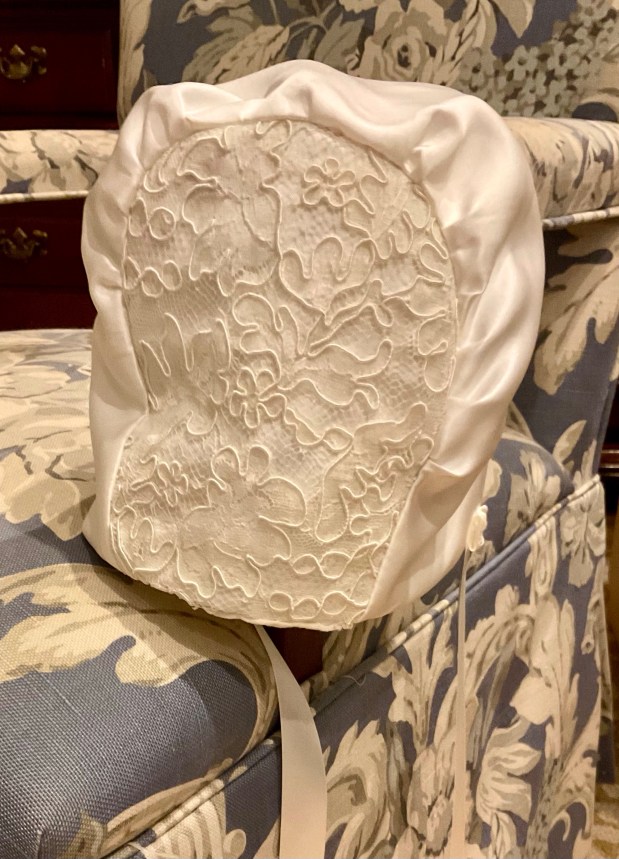
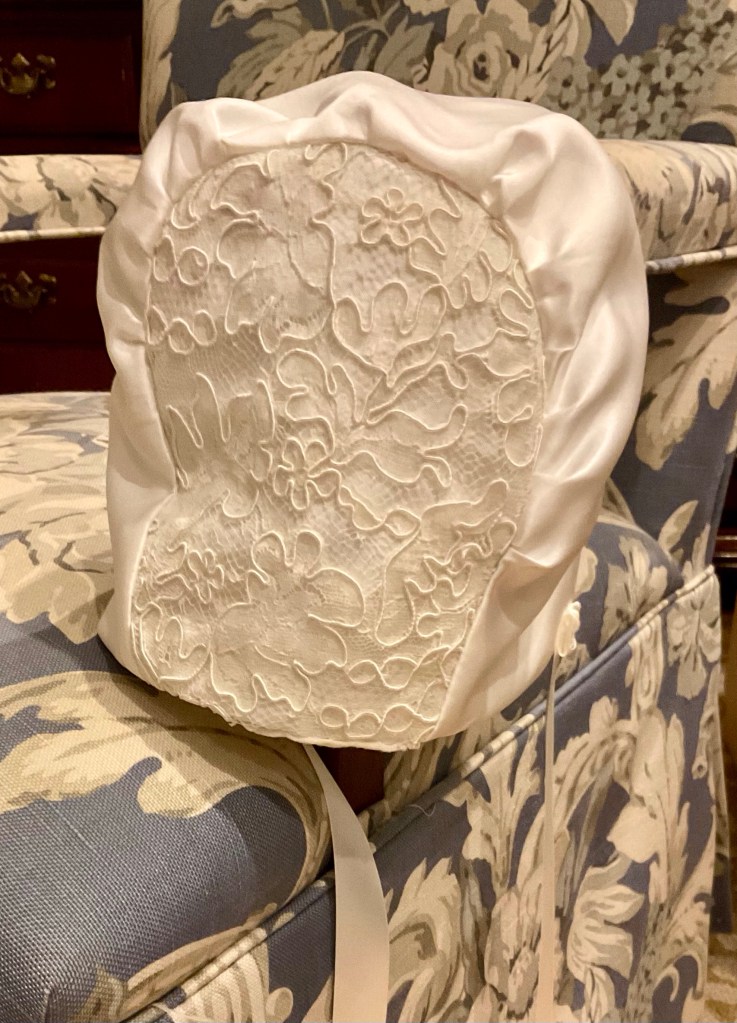
Today is Friday, November 3, and I’m on my way to New England for a family christening! Our niece had her first baby this year, the first grandchild of this generation. The baby is my older sister’s first grandchild. I made her a bonnet from silk and lace from my sister’s wedding dress; I’m quite pleased with how it turned out, given that it’s my first real sewing project in many years.
I’m excited — I took part this week in a NST splitmeet for the first time! I’ve received my 5 ml of Jacques Fath’s L’Iris de Fath eau de parfum from the NST splitmeet; haven’t worn it yet because I’ve been so busy this week and want to give it my full attention. Some of you may remember how I swooned when I got to sample the extrait de parfum when it was first released, at the boutique Jovoy Paris, in London. I am so, so tempted to buy the eau de parfum but I’m trying to behave myself and not rush into an expensive blind buy. Splitmeet to the rescue!
Portia and I will be posting a new “Notes on Notes” on Monday, so please drop by and share your own thoughts!
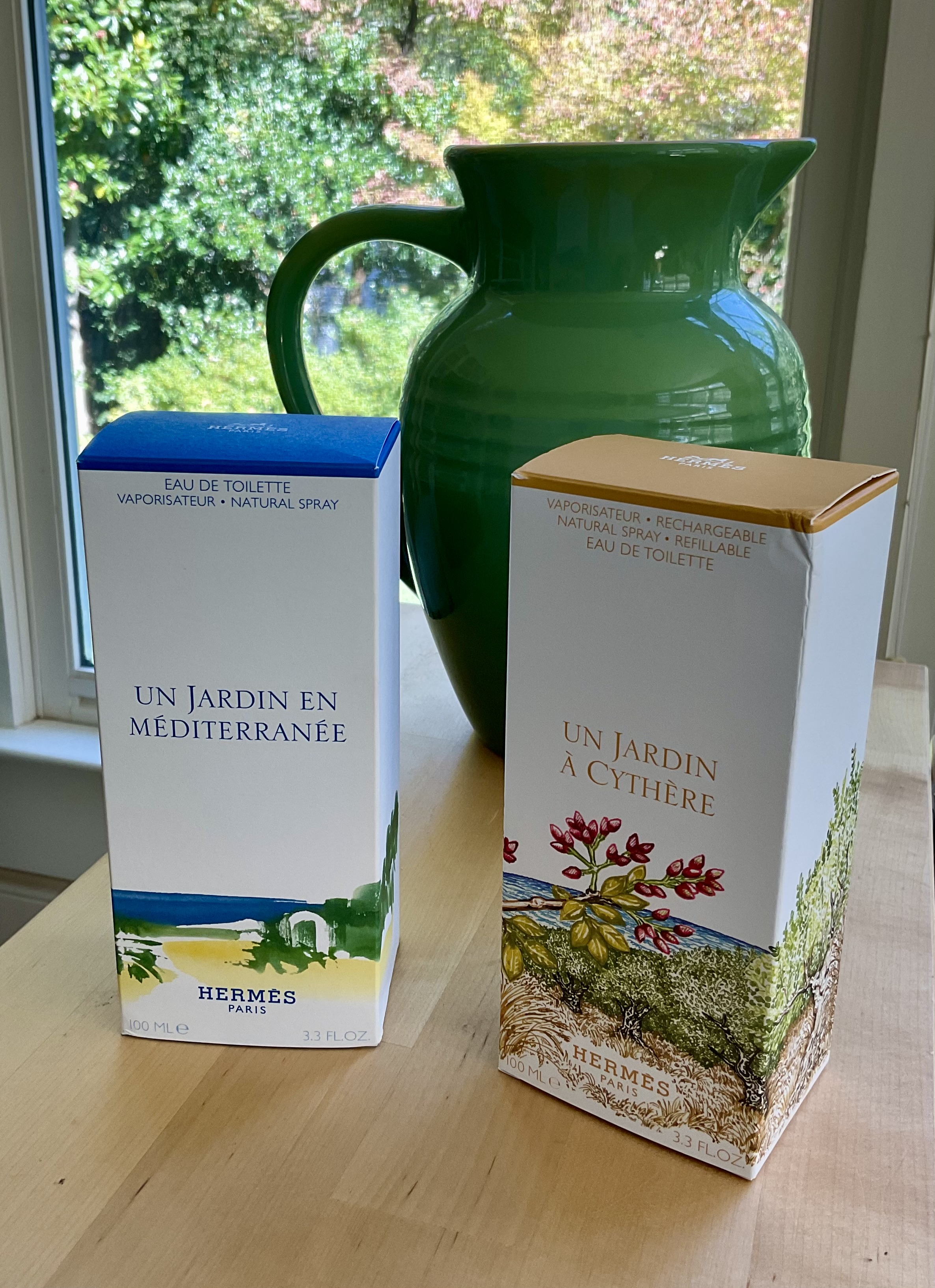
Happy fall! Portia Turbo of Australian Perfume Junkies and I both forgot to post our “Notes on Notes” on the usual first Monday of the month, which was LAST Monday, October 2 (it crept up on us), so we’re a week off. This month’s Note for discussion is nuts. TBH, I suggested this because I wanted to write about the newest addition to my collection, this year’s Un Jardin à Cythère, which my lovely spouse brought me from his trip to London. It features a pistachio note.
Un Jardin à Cythère, by Hermès; image from Hermes.com.
As it happens, apparently pistachio is very au courant in 2023, according to Harper’s Bazaar: “Why All the Cool Kids Smell Like Pistachio Right Now.” Writer Lindy Segal credits the trend to the ongoing fascination with gourmand fragrances, and a post-pandemic desire for fun. And it’s true that pistachios lend themselves to sweet and savory fun, from celadon green ice cream and the toothaching sweetness of baklava, to dishes of salted cocktails nuts and the messy joy of shelling roast pistachios out of a bag.
It turns out that although pistachio is having a moment, and it’s not a commonly used note, it has been featured in other fragrances that have been popular for a while, such as Tom Ford’s Soleil Blanc, Guerlain’s Une Petite Robe Noire Eau Fraiche, and even another of the Jardin fragrances, Un Jardin en Méditerranée. To my surprise, Fragrantica reminded me that it is a note in SJP’s Stash, which I had forgotten. I love Stash, and it couldn’t be more different from the Jardin fragrances, which I also love.
Of course, other nutty notes have been used in perfume, but even looking at the whole category, they’re not terribly common, except for hazelnut. Chestnut, walnut, even almond, aren’t nearly as prevalent as, say, various woody notes. Hazelnut appears as a note in several fragrances I own: Jo Malone’s English Oak and Hazelnut and Ginger Biscuit, Jean Patou’s Que Sais-Je?, Penhaligon’s Elisabethan Rose (2018); and others I know but don’t have: Zoologist’s Chipmunk, Jo Malone’s Oat and Cornflower, L’Artisan’s Mechant Loup, Guerlain’s Habit Rouge, among others. In all of these, hazelnut adds a certain sweetness without sugar, woodiness without weight.
Back to pistachio! I’m fascinated by how differently it is used in the Jardin fragrances. They were, of course, created by two different Hermès perfumers: Jean-Claude Ellena created Méditerrannée in 2003, and Christine Nagel, his successor, launched Cythère twenty years later. In UJeM, pistachio is a bit player, lending some depth to the basenotes, but subordinate to the dominant fig note. (By the way, fig and pistachio are a time-honored combination in various recipes, often partnered with honey and a soft, mild cheese like ricotta or mascarpone – yum!). UJeM is based on an actual garden in Tunis, and it includes floral notes such as orange blossom and white oleander, although the most prominent notes are fig leaf, cypress, cedar, and juniper, which form the base notes together with a touch of pistachio and musk.
Hermès’ Un Jardin en Méditerranée; image by Hermes.com.
In UJaC, Mme. Nagel puts pistachio at the very heart of the fragrance, pairing it beautifully with an accord of olive wood. In comments about her latest Jardin creation, she has said that her pistachio accord is based on her memory of the fresh pistachios she enjoyed on trips to the Greek isle of Kythira, twenty years apart.
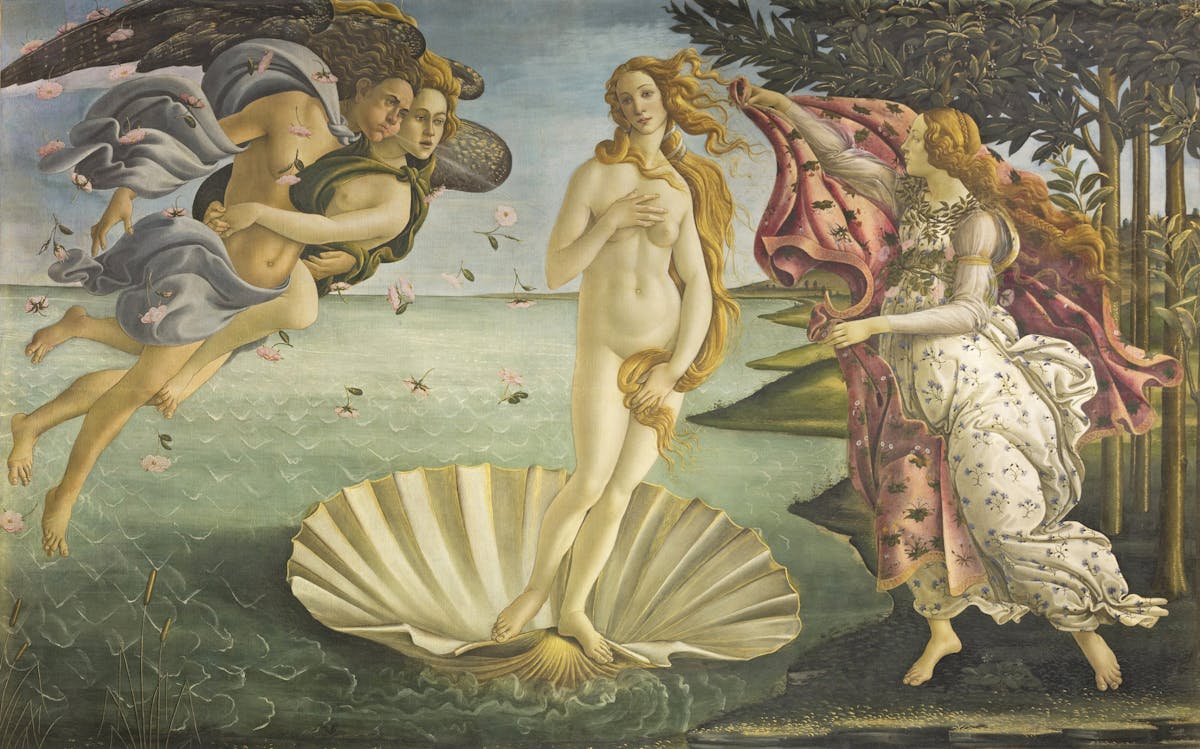
Her composition is very clever: this is a garden without flowers. The citrus notes of the opening recall the island’s citrus groves, the pistachio and olive notes evoke the harvests of those important products, and an accord of dry grass captures the dry, sunny climate of Kythira. This is a truly unisex fragrance, despite Kythira’s fame as the legendary birthplace of Aphrodite, who rose from the sea foam off its rocky shores.
Birth of Venus/Aphrodite, by Botticelli; image from the Uffizi Gallery.
As it dries down, UJaC retains the nutty sweetness of pistachio, and one understands better why nuts like pistachios, hazelnuts, and almonds lend themselves so well to sweet desserts and combine beautifully with various fruits. Unlike peanuts, which combine with chocolate well because of the contrast between the two, these sweeter nuts harmonize with sweeter ingredients, the whole becoming greater than the sum of its parts. Think Nutella (hazelnut and chocolate), marzipan (almond and honey), and pistachio gelato (pistachios with milk and sugar).
Pistachio ice cream happens to be my husband’s favorite flavor, and although we don’t usually keep it in the house (both watching our girlish figures, lol), it is a regular though infrequent visitor. Usually the commercial ice cream is made with artificial flavoring, but we do have a local Italian gelato store that has been here for decades, and they make pistachio gelato from scratch, so now I have a yen to go try some! I know I can count on my dear spouse to come along.
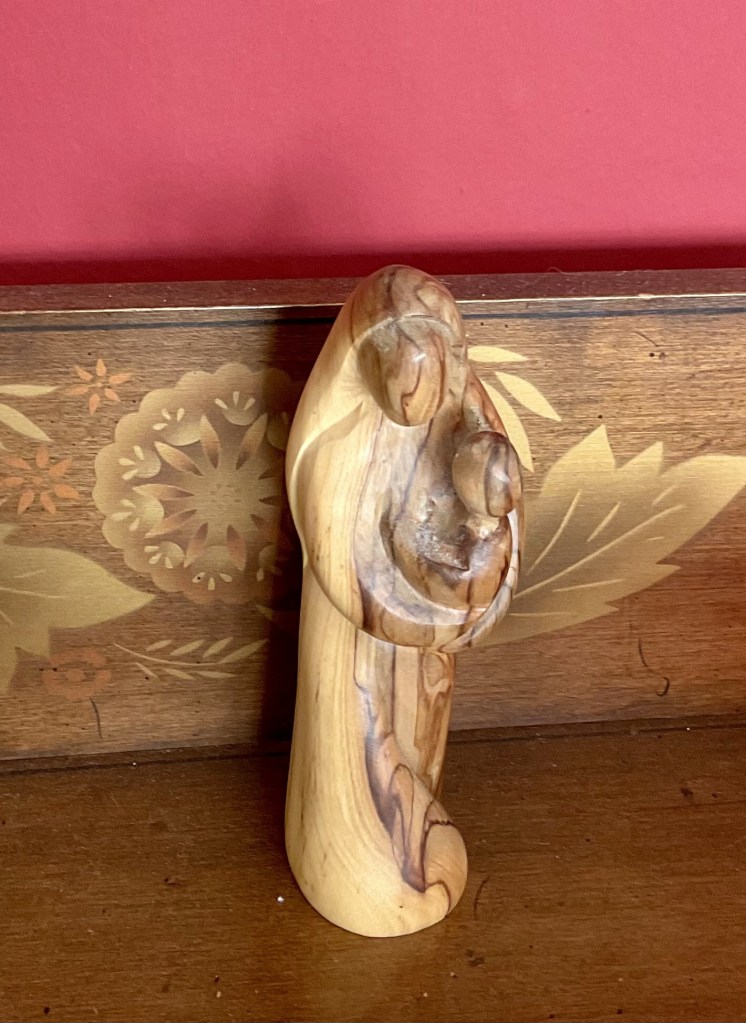
The base of UJaC is supported by an accord of olive wood; if you’ve ever visited an olive wood craft workshop, you know that it does indeed have its own distinctive and pleasing aroma. I love carved olive wood and have well-used kitchen implements made from it, the oldest being salad servers we bought on our honeymoon in Provence. My favorite olive wood carving, though, is a little statuette of Madonna and Child, the Virgin Mary being another incarnation of the divine feminine. The wood is as smooth as satin, the grain beautifully suggesting the folds of fabric in her robe.
I’m very happy to have added Un Jardin à Cythère to my collection. It hasn’t displaced Un Jardin Sur le Nil or Un Jardin Après la Mousson as top favorites, but it isn’t far behind. Have you tried it yet? What did you think? And make sure to hop over to Australian Perfume Junkies to get Portia’s Notes on nuts!
Welcome to June’s installment of “Counterpoint”, a feature in which Portia of Australian Perfume Junkies and I exchange our thoughts on the same fragrance! This month’s featured fragrance is Le Jardin de Monsieur Li .
Le Jardin de Monsieur Li, by Hermès; image from Portia
Le Jardin de Monsieur Li is part of the “Jardin” series by Hermes, created by Jean-Claude Ellena. It was launched in 2015, and it is meant to evoke a Chinese garden, with notes of kumquat, bergamot, jasmine, mint, and green sap.
I believe this was the last of the “Jardin” fragrances create by M. Ellena while he was Hermès’ in-house chief perfumer. I love gardens, and I love the “Jardin” fragrances, each one inspired by a different garden. In the case of Le Jardin de Monsieur Li, Hermès says it is a garden “poised between reality and imagination”, but it reminds me of a real garden I visited the one time I have ever been to China. I had gone with my husband to Shanghai, where he had work for a week, and I was on my own to explore the city. I don’t speak Mandarin, but I taught myself a few phrases (“Excuse me”, “Please”, and “Thank you”) and the Shanghai metro was very easy to navigate. High on my list of places to go was the Yuyuan Garden, built several hundred years ago during the Ming dynasty.
Yuyuan Garden; image from ChinaXianTour.com.
It is a remarkable place, five acres completely enclosed by ancient stone walls in the middle of a bustling part of Shanghai where the Old City has been engulfed by the modern metropolis. The garden is divided into six main areas with different themes and purposes; parts of the garden and its structures were used for performances, for example. It has water features and a large koi pond, and amazing stone work in addition to several rockeries. Some of the most striking elements are the “dragon walls” that divide the garden; the walls are built to look like the undulating back of a long dragon, and they end with a dragon’s head! The garden’s name means pleasing and satisfying, and it was created as a tranquil haven for an important Chinese official’s parents by their dutiful son.
Upon entering the garden after leaving the modern metro, one may experience a quick, delighted intake of breath, and I had the same reaction to Le Jardin de Monsieur Li. It is at once citrusy, aromatic, and floral – a perfect summer fragrance.
How did you first encounter Le Jardin de Monsieur Li, and what was your first impression?
Portia: As soon as Monsieur Li came out I wanted to get some on my skin. The Jardin range is some of Jean Claude Ellena’s best work (in my opinion anyway) and I’m yet to find one that disappoints. Sydney gets things later than the world but luckily Jin and I were in Tokyo and we hunted it down at a department store Hermès counter. Mint is one of my favourite notes in fragrance and so I was immediately smitten. Jin bought me a set with shower gel and lotion in the most fabulous box. So not only is Monsieur Li lovely but it has an excellent scent memory to match.
Old Herbaceous: I first encountered it when I “met” the other Jardin fragrances. It launched at about the same time that I went completely down the perfume rabbithole, in 2015 (the same year I started this blog to record my impressions and experiences). My late mother had sent me a generous birthday check, and I discovered that a certain discounter website had all five of the original Jardin fragrances for very affordable prices, so I used her gift to buy myself the whole set (I have a thing for complete sets), having become intrigued by reading Chandler Burr’s book The Perfect Scent, which included his account of how M. Ellena created Un Jardin Sur le Nil.
I think my first impression of Monsieur Li was colored by how much I love Un Jardin Après la Mousson and Sur le Nil. I didn’t pay as much attention to it. Once I really tried it and focused on it, I found Monsieur Li to be just as rewarding as those favorites, though they still “outrank” it.
2. How would you describe the development of Le Jardin de Monsieur Li?
Old Herbaceous: The citrus notes in the opening are refreshing with that slight bitterness, like the grapefruit accord that M. Ellena uses so often. They are quickly joined by the jasmine, but this is a light, fresh jasmine, not the heavy narcotic white flower smell often associated with that accord. To me, it smells like jasmine polyanthum, a lovely pinkish white jasmine vine that is often grown indoors as a houseplant.
I smell a touch of mint, which adds to the freshness of the scent and lends it a tinge of green. As some of you know, I do love my strong green fragrances; this is not a strong green fragrance at all, but it has just enough greenness to appeal to me. As it dries down, the citrus notes slowly recede, as they usually do, but they linger enough to maintain the aromatic aura of this summer floral. The final stage is lightly musky, but I can still smell jasmine and mint, so it has a lovely, soft finish.
Portia: Before we get to spritzing I’d like to say how much I love the feel of these bottles. The glass is so smooth it’s like fabric. It’s hefty without being heavy and fits my hand like it was made just for me. Already I’m feeling good. I rather like the way JCE thinks:
“I remembered the smell of ponds, the smell of jasmine, the smell of wet stones, of plum trees, kumquats and giant bamboos. It was all there, and in the ponds, there were even carp steadily working towards their hundredth birthdays.” Jean-Claude Ellena
It’s like he has translated these memories perfectly into scent.
Hermès gives these featured accordsL Sambac Jasmine, Kumquat, Bergamot
Water, shade, greenery gowing in a glasshouse. A terrarium. Yes, I smell sparkling and pithy citrus, some vegetal musks, clear and clean white florals. It might have been suggestion but I also smell broken bamboo, that weird dry/torn/sappy/sweet/coldness that the smell evokes in my mind. I also smell bittersweet citrus juice. The heart moves on and gives me peony and waterfalls over the top and some non-citrus fruit but I can’t pinpoint it. Maybe even berries? Later the vegetal musks seem to mix with some resins, I want to say elemi but really it’s just a feeling more that a scent association.
That’s the fireworks of open and heart. As Monsieur Li heads towards dry down the vegetal musks and resins with an overlay of cut green oranges continues quietly but pervasively for hours. Towards the end I even smell something vanilla-ish. It melds with my skin but makes it smell 100x better than it ever has.
It’s not weird or big or crazy. It definitely has a softer amount of that JCE Jardin oily sweetness undercut by water and greenery. Monsieur Li is surprisingly long lasting on my skin too
3. Do you or will you wear Le Jardin de Monsieur Li regularly? For what occasions or seasons?
Portia: Yes, I wear Monsieur Li regularly. Though regularly means monthly rather than weekly. It works best for me when there is at least dappled sunshine. The temperature is not so important but I always feel really alive when wearing it in the sun.
Though it fits perfectly in most occasions I particularly love it when smelling good but not overwhelming is the job of the day. Perfect for food, movies, travel or anything up close. Also excellent as a bed time calming or early morning get me revved for the day spritz. So versatile.
Monsieur Li is surprisingly long lasting on my skin too
Old Herbaceous: I don’t wear it regularly, but I really should! It is especially appealing as a summer fragrance, though I would happily wear it during the spring and really any time I want a fresh cologne-type scent. I think it would partner beautifully with a guest’s summer wedding outfit, for any gender.
4. Who should/could wear Le Jardin de Monsieur Li ?
Old Herbaceous: This is a truly unisex scent, in my view. It has just the right combination of citrus, aromatic, and floral notes to balance between the traditionally feminine and masculine. When I was growing up, in a preppy part of New England, men often wore ties made of Liberty Tana Lawn floral fabric to summer parties and weddings, with lightweight suits; Le Jardin de Monsieur Li would go wonderfully with those.
Portia: Monsieur Li will probably be a bit low key for most hard core perfumistas. Their perfume wardrobes probably have enough cologne style fragrances.
Mint and aquatic are both also a no-go space for a lot of people. What I would say to anyone afraid of spritzing is that here the citrus and green notes are king. Though mint and water are present and noticeable the way that JCE has made this perfume could be a gateway for you.
Definitely unisex, its longevity means you can wear it to work and still have remnants left at the end of the day. It is also the sort of low key beauty that any non perfumista who wants to smell good as part of being dressed well could wear year round. I’ve not given it as a gift but thinking about that now it would be a perfect non confronting, wearable, elegant selection. That it has bath products that match make it even more alluring.
I’m also thinking that for someone who wants to define their leisure time with scent, Monsieur Li would be a beautiful, laid back, pared back signature. A gentle waft of freedom.
Hermès’ “Jardin” series of fragrances; image from hermes.com
Have you tried Le Jardin de Monsieur Li? Thoughts? Also, I can’t omit mention of Sarah McCartney’s wonderful riff on it: 4160 Tuesdays’ Le Jardin de Monsieur McGregor, another garden scent I love very much! And its name makes me smile.
Do you have any requests for an upcoming Counterpoint fragrance? The only limitation is that it must be one Portia and I both possess or can sample. Suggestions are welcome!
Welcome to the June installment of Notes on Notes, a collaboration with Portia of Australian Perfume Junkies! Each month, we choose a fragrance note and each of us writes a blog post about it based on our personal experiences. This month, the note is citrus (encompassing any and all citrus notes), since it suits the summer months so well.
Most of the familiar citruses are “hesperidic” fruits. According to Wikipedia, “Carl Linnaeus gave the name Hesperideæ to an order containing the genusCitrus, in allusion to the golden apples of the Hesperides.” These include oranges, lemons, grapefruit, limes, and (importantly for fragrance) bergamots. All offer essential oils from their bitter rinds which have been used often in the creation of fragrances, with synthetic versions available as substitutes.
In fragrance, the perfumer I most associate with brilliant use of citrus notes is Jean-Claude Ellena. He likes their bitterness; and a citrus has often been the featured opener for many of his fragrances, including the Jardin series he launched at Hermès. I’ve written before about my love for Un Jardin Sur Le Nil, which opens with a marvelous grapefruit accord. Miller Harris’ discontinued Tangerine Vert is another terrific citrus scent; in that post, I also covered another sadly discontinued fragrance, from Maison Martin Margiela, Replica Filter Glow. It was a dry oil fragrance meant to be directly layered with a complementary scent and said to prolong it. You could also wear it on its own, with its notes of neroli, grapefruit blossom, bergamot, and rose absolute. I think it would enhance any citrus-forward fragrance.
Much as I love the other citrus notes, in perfume my favorite may be bergamot. I was raised on Earl Grey tea, whose distinctive aroma and flavor come from the infusion of bergamot essential oil into the tea, so I associate happy memories of teatime with that scent. (Earl Grey tea brings back childhood memories so strongly that I always drink it with milk and sugar, unlike most of the other teas and coffees I enjoy). I love the fresh zing it brings to a fragrance’s opening, and its green astringency, which partners so well with the green scents I love, like Chanel’s Cristalle and No. 19. Bergamot seems to enhance galbanum, and vice versa.
My two newest citrus-based fragrances were both bought on recent vacation trips (perfume tourism strikes again!): Carthusia’s A’mmare, which I bought in Milan last summer, and Lili Bermuda’s Bermudiana, purchased just last month in Bermuda. Both open with a detectable burst of bergamot, combined with aromatic herbs. A’mmare pairs it with rosemary (and salt); Bermudiana with basil and aldehydes. The fragrances are separated by six decades — Bermudiana was launched in 1962, and A’mmare in 2021.
A’mmare
Bermudiana has a strong heart note of galbanum, one of my favorites. A’mmare‘s heart notes are an aquatic accord and mint. Both fragrances pair so well with bergamot; both are very summery without being too beachy (i.e., they don’t smell to me like sunscreen). I love their combination of bergamot with different green herbs. They feel like summer colognes but last much longer.
Do you have any favorite citrus notes? Are there any you really dislike? I actually can’t think of any I dislike …
This month’s Counterpoint fragrance is Un Bois Vanille, from Serge Lutens. Launched in 2003, the perfumer who created it is Christopher Sheldrake. It is one of several offspring of Feminité du Bois, created in 1992 for Shisheido by the team of Serge Lutens, Christopher Sheldrake, and Pierre Bourdon. It seems that after FdB, M. Sheldrake explored the innovative woody accords in different directions, including Un Bois Vanille, Bois de Violette, Bois et Musc, Bois et Fruits, Bois Oriental, and Un Bois Sépia.
Un Bois Vanille by Serge Lutens; image from Portia.
Un Bois Vanille is a complex scent that plays off the botanical origins of vanilla, most familiar to us as the sweet ingredient in so many baked goods. Vanilla extract comes from beans that grow in pods on vining orchids in tropical rain forests. The vines climb up trees in their natural habitats; in cultivation, they are often grown on wooden supports. Wood, then, is a suitable companion to vanilla, and they are well-partnered in Un Bois Vanille. The green aspect of vanilla vines is evoked by an anise accord; other notes include coconut milk, beeswax, sandalwood, tonka, almond, benzoin, guiac, and musk.
How did you first encounter Un Bois Vanille, and what was your first impression?
Portia: I’m not sure exactly but it could have been while sniffing with friends in what was our most glamorous Sydney department store David Jones. It also might have been through an early Serge Lutens sampler from Posh Peasant. Maybe around 2010? Yeah, I came to you all quite late. It was a very solo perfume journey for me till finding the scent blogosphere. I liked it early on but it didn’t compete with some of the more outrageous scents in the line. At the time I was all about pushing boundaries, being daring, shocking and pushing every fragrant envelope to its farthest shore. Since those heady days I’ve come to love many of those outrageous perfumes but the ones i tend to wear are much more comfortable.
Old Herbaceous: I came into possession of Un Bois Vanille a couple of years ago, when I found a tester online at a very reasonable price. Since I was, and am still, in the process of educating my nose, I knew I wanted to try some of Serge Lutens’ fragrances, and I had read in many places that Un Bois Vanille was one of his most approachable fragrances, easier to appreciate and enjoy than some of his more innovative scents. So I bought the tester, and it was the start of a small Lutens cluster in my collection. My first impression was that it is a sophisticated vanilla while remaining sweet, but it is never sugary. The beeswax and coconut milk give it a smoothness that I find quite soothing, and I enjoy the anise accord.
2. How would you describe the development of Un Bois Vanille?
Old Herbaceous: To my nose, the vanilla is obvious right away, with a milky undertone. It remains dominant throughout, with anise emerging, followed by phases that smell woody (sandalwood, tonka, almond), then resinous and warm (guiac, benzoin, musk).
Portia: Un Bois Vanille doesn’t have an enormous range through its development when I wear it. It opens hot vanilla caramel bakery, fresh from the oven. As it moves through the heart the nuttiness dries it out but we don’t lose that warmth. Even in dry down when the woods have taken over vanilla heavy amber reigns supreme.
3. Do you or will you wear Un Bois Vanille regularly? For what occasions or seasons?
Portia: Honestly, I’m lucky if Un Bois Vanille gets a wear annually. Vanilla, woods and amber make up a large percentage of my perfume wardrobe. There are a few favourites that are in easy reach, on the grab tray or on my mind. Since my Serge Lutens bottles grab tray got repurposed in the revamp of the perfume/dressing/office room and they are all in a box their wear has reduced a lot. In the 10 years I’ve owned this bottle it has probably only had 10 wears. Hopefully us writing about Un Bois Vanille at the start of the cooler months here in Sydney will rejog my memory and I’ll give it a few more outings. Wearing it the last couple of days, once for bed and today for work, I’ve really enjoyed it. Though it’s not important a couple of people have asked what it is I’m wearing and if it’s still available. So that’s nice too.
Old Herbaceous: I don’t wear it regularly, though I like it whenever I do. Since I’m on the other side of the planet from Portia, we are entering our summer months, and the vanilla fragrance I like for summer is Vanira Moorea by Berdoues. I will try to remember to pull out Un Bois Vanille this fall, though, because I agree with Portia that it is very suitable for autumn and winter.
4. Who should/could wear Un Bois Vanille?
Old Herbaceous: Un Bois Vanille is definitely a unisex scent. Apparently, the genesis of its forebear Feminité du Bois was to show that a woody fragrance, traditionally associated with masculine fragrances, could be made more feminine. Almost every time I wear any vanilla-centric fragrance, I get more compliments than with almost any other scent, usually from men. So it clearly works well as a feminine scent! Conversely, I would find this very appealing on a man, and I need to find out what it smells like on my husband!
Portia: When I spritz Un Bois Vanille it always feels like a rich dessert or cocktail. A fountain of molten vanilla, caramel, coconut and nutty biscuit. Lavish, delicious and playful. It works from slouching in front of the TV to elegant awards nights. While cool weather is my preferred wear time, I can also imagine it working for spring weekends and sensual tropical evenings. Smelling good enough to eat, but in a sophisticated way, is always a winner. Unisex but leaning towards what society expects women to smell like. I say go for the subversive guys, wear against the grain. I can only imagine how amazing this would smell on some beefy hunk of a tradesman as he turns up to fix your power box.
If huge stories float your boat, then Un Bois Vanille might be a little boring for you. On the other hand, if you love to smell good. You like a hefty, rich, not too confectionary oriented gourmand that lasts all day and into the night then you might just have found a new grand love.
Please add your answers to one or more of the questions above, in the comments!
Welcome to a monthly collaboration new for 2023! Portia Turbo of Australian Perfume Junkies and I had so much fun doing “Scent Semantics” with some other fragrance bloggers in 2022 that we decided to launch TWO regular features as a new collaboration this year. The first, which we plan to post on the first Monday of each month, is “Notes on Notes“, in which we choose one note and write about it however the spirit moves us; last month’s Note was on galbanum. This second feature is “Counterpoint“, in which we ask ourselves the same handful of questions about a single fragrance and post our separate thoughts on it, on the third Monday of each month. We’re still experimenting with format, so comments on that are welcome too!
This month’s Counterpoint fragrance is Jean Patou’s Joy (we shall ignore the imposter Dior launched in 2018 after acquiring the name and the brand). Jean Patou was one of the great designers and couturiers of pre World War 2 Europe, with his own couture house. Joy was launched in 1930 at the outset of the Great Depression, apparently so that M. Patou’s haute couture clients could still enjoy something created by him even if they couldn’t buy his dresses any more. The true creator, of course, was the perfumer; in this case, Henri Alméras.
Joy was famously promoted as the “costliest perfume in the world”, which was probably a marketing ploy but also reflected the high quality and cost of its ingredients, including absolutes made from jasmine and roses from Grasse. It was also meant to compete with Chanel No.5 as a luxury perfume. They share some qualities and notes, but each is distinct from the other, and instantly recognizable to many.
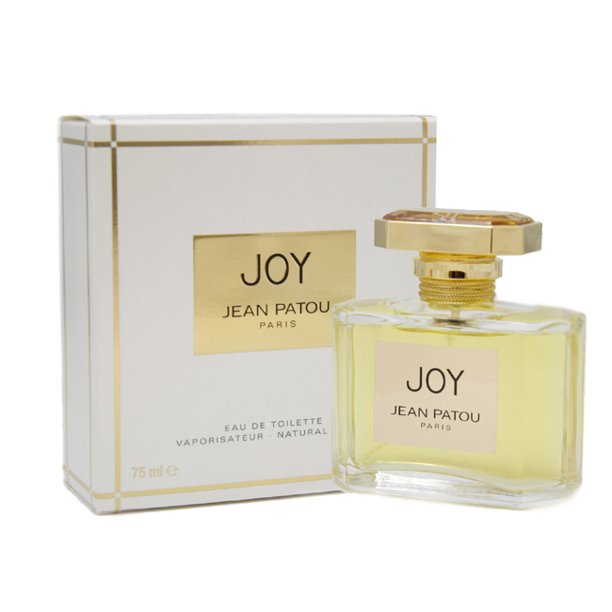
Jean Patou’s Joy; image from Portia at Australian Perfume Junkies
1. How did you first encounter Joy, and what was your first impression?
Old Herbaceous: I first tried Joy after I had gone down the rabbit-hole of this fragrance hobby. I knew it was one of the 20th century’s most legendary fragrances and that my perfume education would be incomplete if I didn’t try it. I found a tester of the eau de toilette at a very reasonable price, so I took the plunge and bought it blind.
My first impression was kind of “meh.” It was okay but I didn’t like it as much as the Chanels I already had, for example, or some of the more exciting new fragrances I was trying. It felt a bit old-fashioned, more than the Chanels did, and I couldn’t recognize its separate notes. As my nose became more educated, though, and I was trying more different kinds of fragrances, I came to like Joy better.
Portia: Honestly I have no memory of first smelling Joy by Patou. It seemed to be around in my childhood. It was definitely work by my Mum at some point and by various Aunts and friends Mums. There is no one specific image or memory I can conjure of my early encounters though.
When I started buying vintages I was so unaware of exactly how it should smell I sent a couple of samples around the world for confirmation and bought samples from Posh Peasant for comparison. So I’m taking my first vintage splash bottle as if it was the first time I smelled it. The only memory I have of that was being overwhelmed by this extraordinary scent. Eye-rollingly gorgeous stuff, I think I bought about a dozen bottles so I’d never be without it again, mainly vintage parfums and a couple of those 45ml EdT or EdP.
2. How would you describe the development of Joy?
Portia: Today I’m wearing both the vintage EdP and vintage parfum. I’m not sure exactly the years but the picture might give you an idea.
Opening is sharp white flowers, aldehydes and a swirl of ylang. It’s rich, plush and sumptuous. I know Joy is supposed to be rose and white floweer but the roses take a far back seat on the bus for ages before they start to become a serious contender. Even when they do make their play it’s only as a backup not the main event.
What I do smell as we hit the heart is fruit. Not that modern super sweet candy-ised fruit but that vintage tinned fruit salad. Yeah, it’s sweet but more robust, less headache inducing.
There is also a lovely, stemmy green note that could be hyacinth and it borders on torn twig. It’s verdant but also bitter and gives a lovely counterpoint to the bouquet and fruit.
Hiding deep below is also a little growly tiger and breathy, sweet jasmine.
As the fragrance heads towards dry down, the woods and animalics become more pronounced. Not dirty or ass-ish but smoothly skin-like, me but so much better.
Old Herbaceous: The notes listed for the original Joy are: tuberose, rose, ylang-ylang, aldehydes, pear, and green notes. The heart notes include jasmine and iris root. The base has notes of musk, sandalwood, and, in the vintage, civet. The version I have is the eau de toilette and it dates to 2016. Fragrantica lists this version’s notes as: Top notes — Bulgarian Rose, Ylang-Ylang and Tuberose; middle notes — Jasmine and May Rose; base notes — Musk and Sandalwood.
I think there are still some aldehydes in the opening, even if no longer listed, to give it some lift. There’s a pleasant soapiness to Joy that I associate with aldehydes; and I think they are the cause of so many people feeling that Joy is old-fashioned. I smell the ylang-ylang more than I do the other floral top notes, and then the jasmine arrives. It isn’t overpowering but it is very evident, much more so than the rose notes. I don’t smell any iris, root or bloom, at all, so that may not have become part of the modern EDT. It’s not quite as abstract a flower as Chanel No.5, but it is in that same vein. Even in EDT format, Joy has good longevity and sillage. A little goes a long way, given how dominant jasmine is. The final stage of this modern Joy on my skin is all soft sandalwood and white musk, like expensive soap.
Jean Patou’s Joy eau de toilette
3. Do you or will you wear Joy regularly? For what occasions or seasons?
Old Herbaceous: I don’t think I’ll wear Joy regularly, but that’s mostly because I now have such a large collection of fragrances that there are only a few I would say I “wear regularly.” Joy definitely gets more love from me than it used to, and it’s in a convenient location, so I do reach for it occasionally. It’s great for church or the office, because if you don’t overspray, it’s quite subtle and ladylike. It’s one of those fragrances that doesn’t jump out at anyone, it just smells very nice. By the same token, if you want your fragrance to make more of an impression, Joy may not be the one to choose that day (or night), unless the parfum has more impact (I haven’t tried that version).
Portia: Joy is so fabulous but rarely gets the spritz, splash ot swipe here. Every so often I get out the Patou box and grab Joy. I’ll wear it and put it back. Then I won’t think of it for months. That doesn’t lessen my love for it but it seems to fit only rarely.
I’m hoping that enjoying wearing it so much today and yesterday that it might inspire me to wear it more often.
4. Who should/could wear Joy?
Portia: Joy needs a certain amount of preparation if you’re not a regular wearer. It’s big, bold and makes a statement. It’s tenacity is also legendary, so you have to be ready to smell of this iconic beauty for at least half a day. Anyone who chooses Joy is choosing to smell of a fragrance that will not be easily available for us to buy when the bottle runs out. So they are wearing something precious and on it’s way to extinction. That alone tells you something of the wearer. Either they are so wealthy that they can stockpile or such a hedonist that wearing it to the dregs and enjoying every second is better than having it forever. No, I check myself. There are other reasons. Wearing it as a memory scent, to mark special occasions, as a lure or any number of wonderful reasons.
Really though, anyone who wants to smell spectacular and relive the joy of wearing Joy by Patou before it’s gone forever.
Old Herbaceous: As always, I say anyone who wants to can wear Joy or any other fragrance! Joy does give off a certain demure, ladylike air, at least in EDT form, but that could be deployed to great effect if the wearer isn’t, in fact, demure, ladylike, or even a lady. For myself, I prefer some of the reissued “Collection Heritage” fragrances created by Thomas Fontaine when he was Jean Patou’s head perfumer, especially Chaldée and L’Heure Attendue.
If you want to experience this legendary fragrance, I recommend getting some soon. Dior’s Joy is a pallid successor at best, but all the Jean Patou fragrances are now out of production, since LVMH bought the brand (to the howls of the faithful) and changed its name to just “Patou”. The fragrances are still widely available online and I’m told that Joy was so popular among ladies of my mother’s generation and even beyond that it is often found at estate sales. In fact, when a FiFi award was given in 2000 to the “perfume of the century”, it was given to Joy and NOT to its competitor No.5. So now really is the time to get yourself this small exemplar of 20th century fashion and creativity. I’ll be keeping my eye out for vintage parfum, since that’s the version that has gotten the most rave reviews (including from Luca Turin, who gave it his rare five-star rating) and that Portia finds so alluring.
Have you experienced Joy? What did you think? Has your opinion changed over time, as mine did?
Welcome to a new feature that I hope will appear monthly! Portia Turbo of Australian Perfume Junkies and I had so much fun doing “Scent Semantics” with some other fragrance bloggers in 2022 that we decided to launch TWO regular features as a new collaboration in 2023. The first, which we plan to post on the first Monday of each month, is “Notes on Notes“, in which we choose one note and write about it however the spirit moves us; our first Note was oakmoss. This second feature is “Counterpoint“, in which we ask ourselves the same handful of questions about a single fragrance and post our separate thoughts on it, on the third Monday of each month. We’re still experimenting with format, so comments on that are welcome too! This month’s Counterpoint fragrance is Chanel No. 5.
Welcome to a new feature that I hope will appear monthly! Portia Turbo of Australian Perfume Junkies and I had so much fun doing “Scent Semantics” with some other fragrance bloggers in 2022 that we decided to launch TWO regular features as a new collaboration in 2023. The first, which we plan to post on the first Monday of each month, is “Notes on Notes“, in which we choose one note and write about it however the spirit moves us; our first Note was oakmoss. This second feature is “Counterpoint”, in which we ask ourselves the same handful of questions about a single fragrance and post our separate thoughts on it. We’re still experimenting with format, so comments on that are welcome too!
Welcome to the weekly Perfume Chat Room, perfumistas! I envision this chat room as a weekly drop-in spot online, where readers may ask questions, suggest fragrances, tell others their SOTD, comment on new releases or old favorites, and respond to each other. The perennial theme is fragrance, but we can interpret that broadly. This is meant to be a kind space, so please try not to give or take offense, and let’s all agree to disagree when opinions differ. In fragrance as in life, your mileage may vary! YMMV.
Today is Friday, October 29, and I have exciting news to share! Portia from Australian Perfume Junkies, now posting on A Bottled Rose, has organized a group of us bloggers to engage in monthly “Scent Semantics”, when we will post on the same day (first Monday of each month) a fragrance-related reflection on a single word, linking it to a particular scent. We’ll take turns choosing the “word of the month.” You’ll have to check back on Monday to find out which word is first! And I hope you’ll join in this word game in the comments!
Portia provided this wonderful definition, by way of explaining the name of the game:
Scent Semantics, from “Semantics (Ancient Greek: σημαντικός sēmantikós, “significant”)[a][1] is the study of meaning, reference, or truth. The term can be used to refer to subfields of several distinct disciplines, including philosophy, linguistics and computer science.”
I love this name because in college, I majored in Classical Languages and Literature, with an emphasis on Ancient Greek. My official WordPress account name and email is The Wise Kangaroo, which is a mnemonic used by English speakers to remember a particular Greek metrical pattern from Ancient Greek lyric poetry and drama, about which I wrote my thesis.
In other excitement this week, Halloween is coming up on Sunday and here in the USA, public health officials have given a green light to the traditional trick-or-treating. As they noted, it is by definition an outdoor activity that usually includes masks, lol. So now I have to stock up on candy, because our neighborhood of old houses placed close together and linked by sidewalks is a very popular destination for families with treat-seeking children. Not only do we get kids from the neighborhood itself, other families drive here, park, and walk around with their kids. All are welcome! Even the long-leggedy beasties.
Dogs as long-leggedy beasties
Do you have any Halloween plans? Any favorite scents to wear on Halloween? I think I may have to pull out some of my spookier samples from Solstice Scents.
















 Serenity Now Scents and Sensibilities