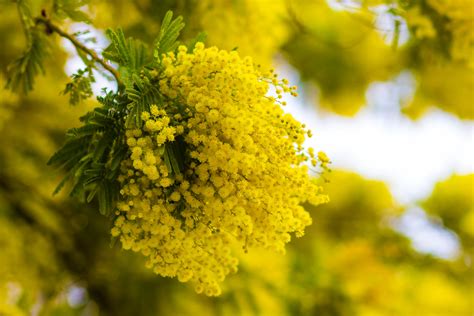
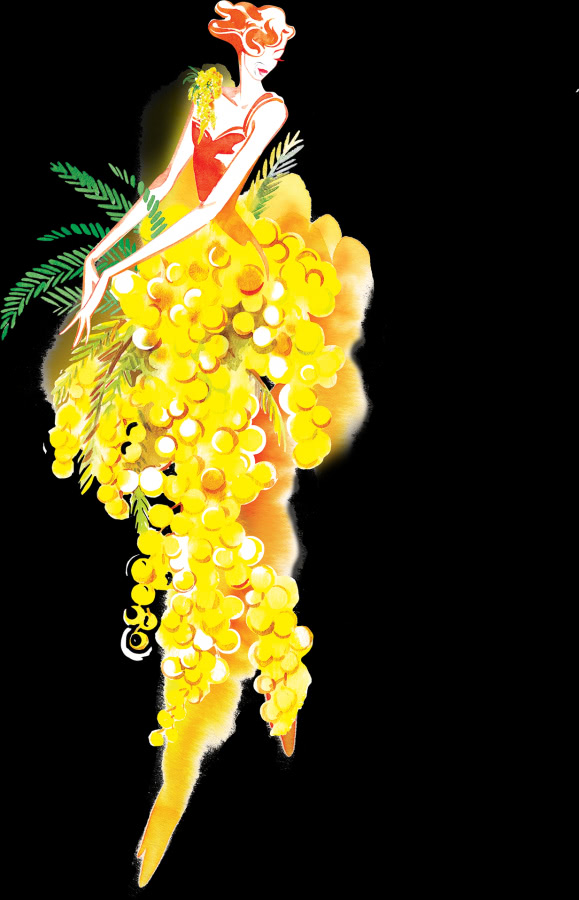
See what I did there? I’m so pleased with myself for that headline. But in fact, my SOTD today is Vilhelm Parfumerie’s Modest Mimosa, from another sample kindly given to me. Aside from the marvelous alliteration, I like it a lot. It won’t be a top love for me because I’ve realized that mimosa isn’t one of my favorite notes; there are other blossoms I prefer, although I’ve enjoyed mimosa-based scents like Brocard’s Mechta. Jerome Epinette created Modest Mimosa in 2016. It has a fairly short list of notes: top: Neroli and Carrot; middle: Mimosa and Violet; base: Musk and Leather.
I smell the mimosa and violet right from the start, with some carrot, but very little neroli. The violet is quite powdery and very discernible, which is probably why some Fragrantica readers have said it reminds them of Apres L’Ondee. But mimosa is front and center, and it’s not modest at all. This isn’t an overpowering scent, not at all, but the mimosa announces herself at the very beginning and takes up residence at center stage.
To my nose, Modest Mimosa doesn’t evolve or change very much over time. Luckily, it smells very nice indeed. Powdery yellow floral describes it perfectly. Its list retail price is quite high, looking at LuckyScent’s website; I would not pay that much for it, but if you are a lover of mimosa and can find this at a better price, it might be just the ticket. Undina, at Undina’s Looking Glass, has several suggestions, in a number of posts about her search for the perfect mimosa.
Do you like mimosa fragrances? Or have you ever gone in search of a perfect floral note in a perfume?
One of the joys of this fragrance hobby is discovering independent perfumers and their work. One of my favorites is Diane St. Clair, of St. Clair Scents. I’ve loved her earliest creations, like Gardener’s Glove and First Cut. My SOTD is Eve, one of the “Audacious Innocence” collection, which was a finalist for the 2020 Art & Olfaction Awards in the artisan/independent category.
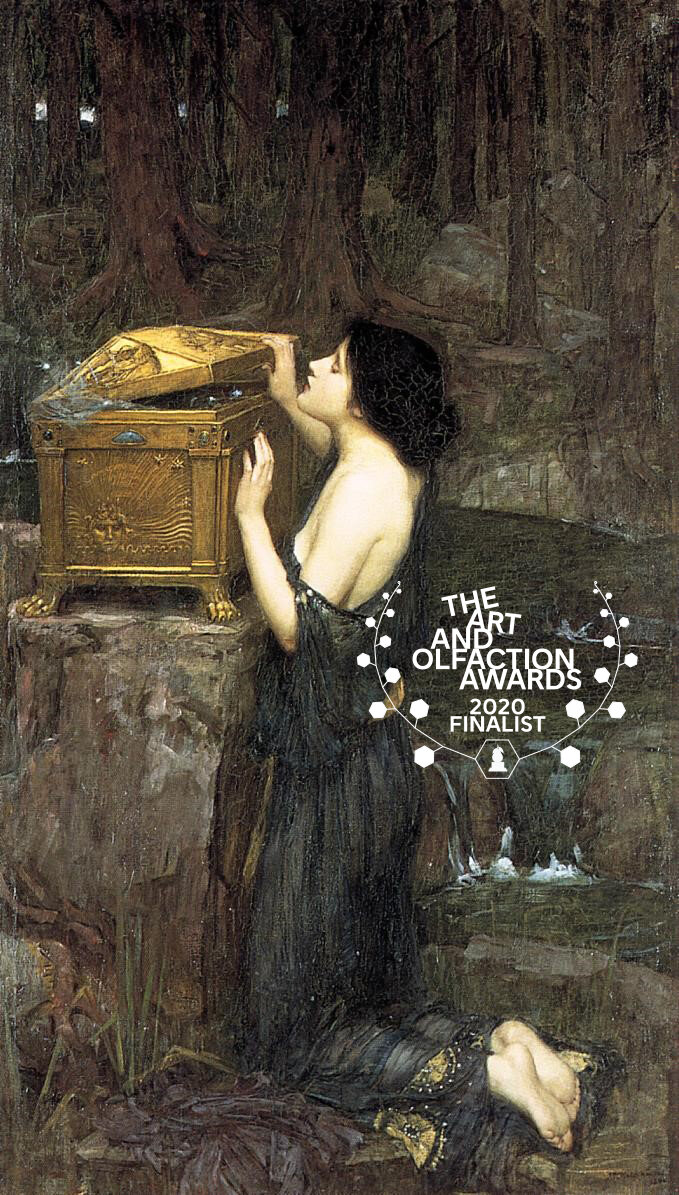
The other fragrance in the collection, Pandora, is a “sister” to Eve. According to the brand’s website, they share most of the same notes, but Pandora shows a darker side, with added base notes of labdanum and opoponax. Eve‘s notes, without those added base notes, are: Top notes of Lemon, Tomato Leaf, Apple, Bergamot and Mandarin Orange; middle notes of Orris, Lilac, Bulgarian Rose, Turkish Rose, Ylang-Ylang, Carrot Seeds and Jasmine Sambac; base notes of Oakmoss, Tonka Bean, Woods, Vetiver, Musk. Both scents come in a parfum extrait concentration of 35%.
Pandora, by John William Waterhouse
Diane St. Clair sees Eve and Pandora as similar:
The stories of Pandora and Eve, who reached for the forbidden apple, have much in common. Both came to symbolize women who were punished for disobeying orders and acting on their impulses towards curiosity. We believe that women who challenge the rules and follow their curiosity are striving towards creativity, innovation and independence.
The opening of Eve is as lush as the painting that inspired it, above. It smells of all the fruits listed as top notes, bound together by the astringent greenness of tomato leaf and bergamot. This seems so appropriate, since the Garden of Eden, where Eve was tempted to eat the apple, was more of an orchard than a garden. (In fact, I’ve learned that the word “paradise”, often used to refer to the Garden of Eden, comes from an ancient Persian word that means a walled orchard garden). I love green scents, so the tomato leaf especially appeals to me. A good thing, since it is quite strong! As the top notes retreat, the scent becomes more and more floral, with orris taking the lead, though ylang-ylang and roses are right behind it. This stage is rich and lush — almost creamy, but not gourmand at all.
I smell the oakmoss almost from the start, and certainly in the “heart” phase. This is some serious oakmoss, friends. It evokes the shadowy, green darkness under the dense branches of trees. That impression only grows stronger as the floral notes fade away and the other base notes anchor the whole scent to the earth, with their woods, musk, vetiver. I can’t say that I smell tonka much at all. Eve lasts a long time on my skin, several hours.
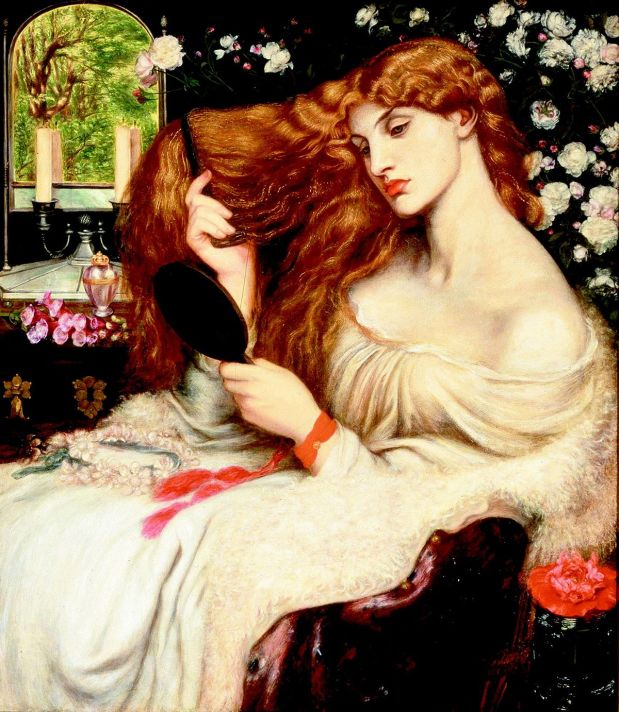
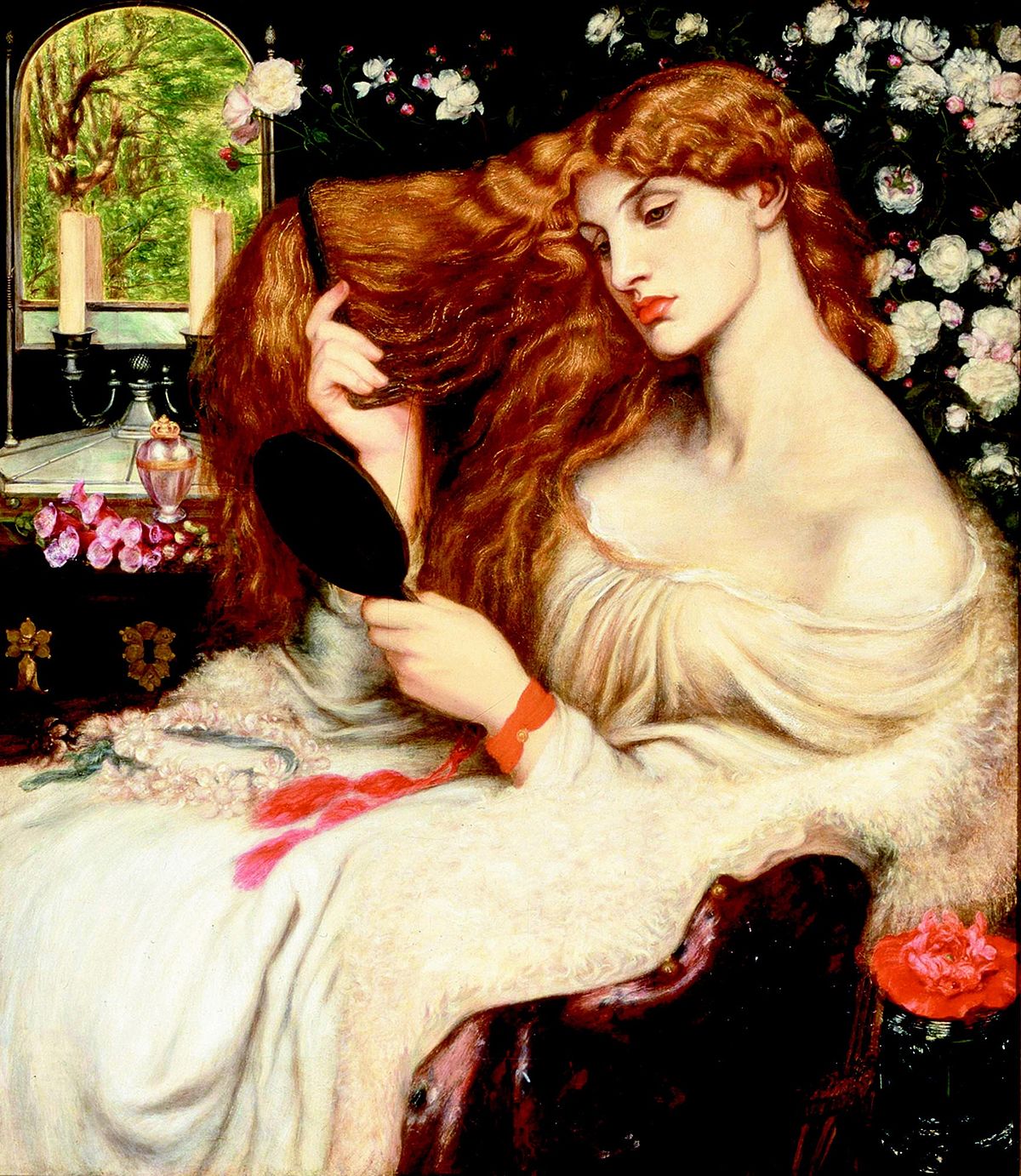
Sillage is moderate, as one would expect from an extrait, but I would say that a little goes a long way! I dabbed tiny spots of Eve on my wrists, and their scent carries easily and clearly up to my nose. Longevity is excellent. Eve just feels like a high-quality perfume all around; one senses the quality of the ingredients right from the start. Even though it is supposed to be the “yin” scent to Pandora‘s darker “yang”, this is not a light or frivolous fragrance. It is not to be trifled with! Which is why I used the gorgeous Pre-Raphaelite painting as this post’s featured image; it shows Lilith, said in Jewish folklore to have been the first wife of Adam (yes, that Adam), who was replaced by Eve because she was too rebellious. The painting beautifully captures a lush, flowering garden, and I think that’s a perfume bottle by the mirror!
Lady Lilith, by Dante Gabriel Rossetti
Have you had the chance to try any of St. Clair Scents’ fragrances? Do you have any favorite artisan or independent perfumers?
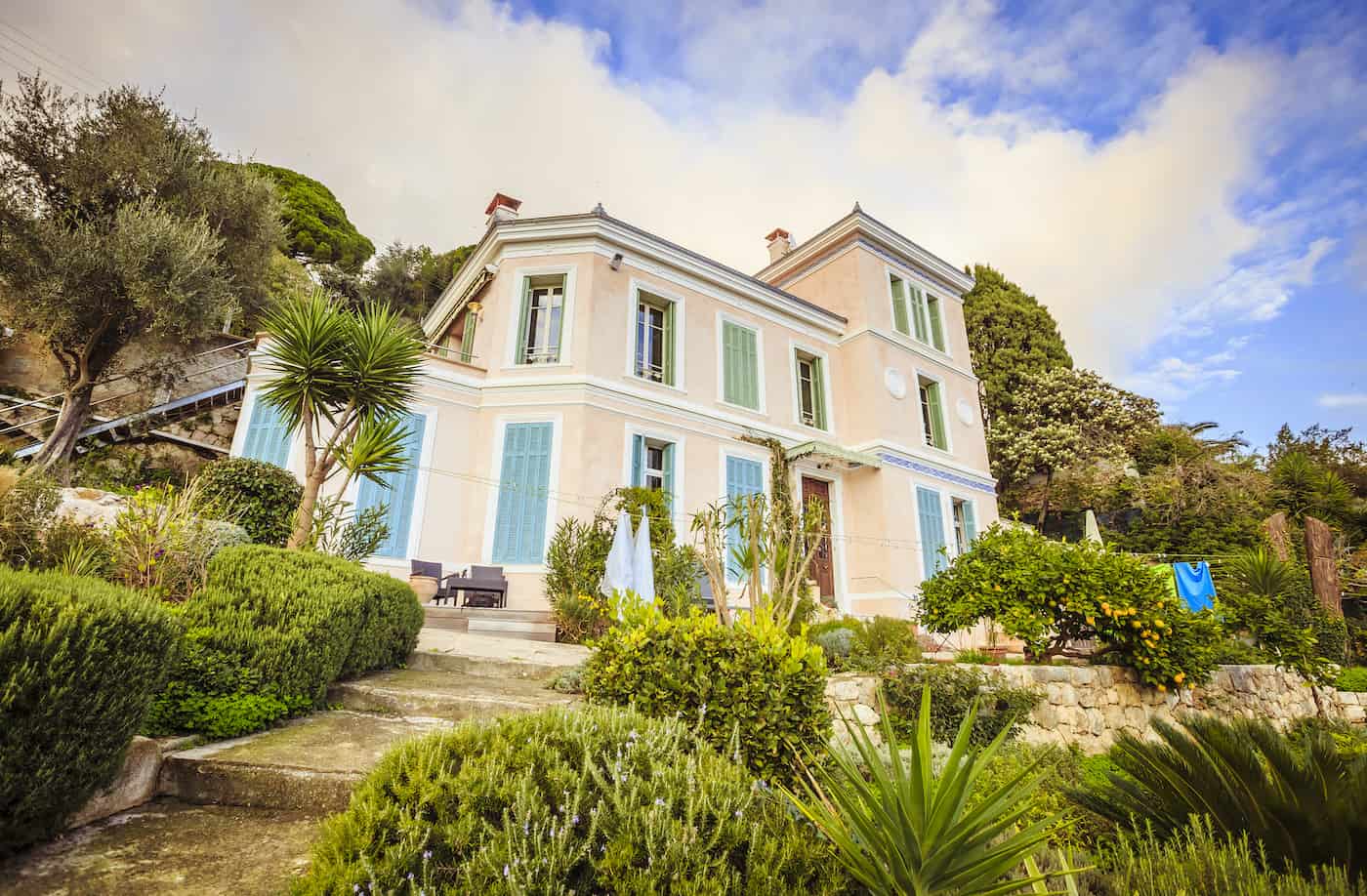
Another sample sent by a generous reader! Toujours Espoir (which means Always Hope) was launched in 2018 by a firm called “Villa des Parfums.” They have the most fascinating story, which I encourage you to read in full on their website, but in summary, the firm began as an offshoot of a local business and non-profit in Grasse, birthplace of French perfumery. The story began when a couple bought an old mansion, former home of a perfumer, and renovated it to be partly family home, partly a vacation rental (which it still is, and now I’m dying to go there for some “perfume tourism”). The non-profit is called “Parfums de Vie” and it works with impoverished children in Grasse in areas like education, character development, conflict resolution, etc.
The owners, Nicole and Vincent, decided to create a perfume brand that they hoped would generate additional revenue for their children’s programs. They founded “Villa des Parfums” and worked with the perfume house of Molinard, one of a handful of heritage perfume houses in France, which began in Grasse and still has a strong presence there. The collaboration resulted in two perfumes, Toujours Espoir and Etoile Celeste, both eaux de parfum.
Both fragrances are influenced by their Mediterranean garden, in which grow many of the plants that have traditionally inspired French perfumers: rose, jasmine, aromatic herbs, citruses, flowering perennials. The brand says:
A declaration of modern femininity audaciously revisiting the classic blend of jasmine and rose, two undisputed queens of perfumery traditionally cultivated in Grasse, the world’s perfume capital. A sensual chypre fragrance embracing the skin in an irresistible veil of intriguing mystery. An original signature for the woman who believes anything is possible.
More prosaically, Fragrantica lists its notes as follows: Top notes of Peony, Citruses and Pink Pepper; middle notes of Gardenia, Rose and Jasmine; base notes of Musk, Sandalwood and Patchouli. I found the opening to be just delightful. The citrus notes are more sweet than bitter; I don’t pick up bergamot. Maybe tangerine? The peony is present right away. In this fragrance, unlike many that list “pink pepper” as a note, I can actually smell it and it really adds to the charm of the opening.
The heart phase gets more and more floral, with rose and jasmine equally present. I don’t pick up much gardenia (which is very present in my garden, as my own gardenias have started blooming). There’s a touch of powder at this stage too, which enhances the softness of the fragrance; I actually think it comes from the musk base note emerging. As it dries down further, the patchouli and sandalwood notes add warmth and a tint of earthiness. I would barely call this a chypre, it is so gentle.
The rose in Toujours Espoir is based on rose absolute from the local Grasse “Rose de Mai”, Rosa centifolia. Nicole has written about her love for these roses and how she connects their beauty to her own values and beliefs. Today was a perfect day for me to sample this beautiful, gentle, hopeful fragrance. I named this blog “Serenity Now” originally, because I began writing it as a mindfulness exercise, to regain serenity during a stressful period, and remember to count my blessings. Then, of course, due to another writing project, I fell down the fragrance rabbit-hole and my blog became “Serenity Now: Scents and Sensibilities.”
This week was also more hectic and stressful than I had expected, though nothing like the turmoil I had in 2015, so I’m thankful for that. But at the end of my workday, as I was deciding which scent to feature in today’s post, Toujours Espoir felt just right, especially as my youngest child got his second vaccine shot today — the last of the family to do so. Hope is emerging this spring and summer, as many of us are emerging from the past year of pandemic. I’m grateful for that, and for all of you, kind readers!
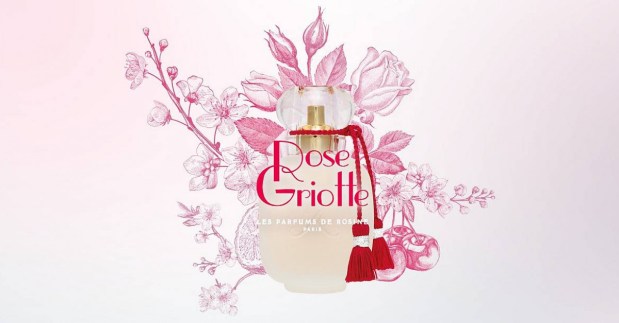
Thanks to a kind reader, I have a generous sample of Les Parfums de Rosine‘s latest fragrance, Rose Griotte. It is lovely! Launched in February of this year (2021), it was created by perfumer Nicholas Bonneville with Marie-Helene Rogeon. Interestingly, it is really a cherry blossom fragrance, but it has been anchored by a rose accord, as Mark Behnke explains on his blog, Colognoisseur:
The keynote floral is cherry blossom. There is little chance any rose essential oil wouldn’t trample the delicacy of that. So they make the clever choice to use a rose accord of three fresh florals as its balancing partner. It begins with a juice dripping, fruity top accord around pear. There is a bit of citrus and baie rose to provide some rounding effect, but the earliest moments are a ripe pear. Then the heart finds the beautiful powdery fragility of the cherry blossom matched with an expansive rose accord of peony, jasmine, and heliotrope. The last also has a bit of cherry in its scent profile which allows it to act as complement.
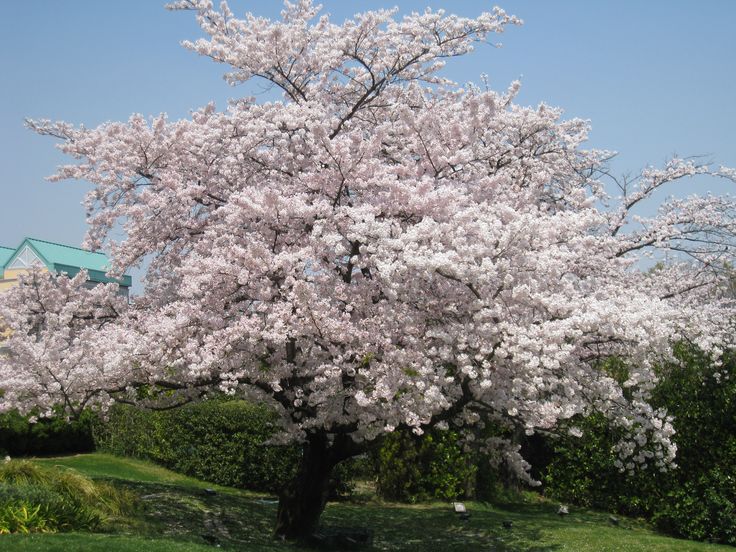
“Griotte” is apparently a wild cherry, sometimes called a Morello cherry, whose fruit is more sour than the cherries we commonly buy at the market. Like tart apples, the sour cherries make for very flavorful pies, clafoutis, and preserves. It has blossoms that are just as beautiful as the famous cherry blossoms in Washington, D.C. Most of those thousands of trees are Yoshino Cherry. Other species include Kwanzan Cherry, Akebono Cherry, Takesimensis Cherry, Usuzumi Cherry, Weeping Japanese Cherry, Sargent Cherry, Autumn Flowering Cherry, Fugenzo Cherry, Afterglow Cherry, Shirofugen Cherry, and Okame Cherry.
I promise I won’t spend the whole month of May dissecting Zara Emotions fragrances, but here’s another one: Bohemian Bluebells. I like it very much and it’s certainly affordable! Also truly unisex, I think it would smell wonderful on a man as well as a woman. Its listed notes are lavender, sandalwood, and musk (nothing to do with bluebells). If you can imagine a warm lavender, that’s what it smells like to me. I do tend to associate lavender with bedtime, given its soothing properties, but I don’t usually associate it with warmth in spite of its cultivation in hot, sunny climates like Provence (there are also famous lavender fields in England and other parts of the UK). Sometimes I crave Jicky eau de toilette at bedtime, if I’m going to sit up and read for a while, but Jicky feels cool to me somehow, like the clean sheets that have been newly put on a bed, with their crisp, unwrinkled surfaces.
“Melange” is an apt word to use for Estee Lauder’s Beyond Paradise, as it is truly a melange of different florals. In their book “Perfumes: The Guide A-Z”, Luca Turin and Tania Sanchez not only gave it five stars, but also close to three full pages of discussion (most perfumes got a paragraph). He calls it a “symphonic floral.” Calice Becker was the perfumer who created it; Beyond Paradise was launched in 2003. The bottle I have is the teardrop-shaped, rainbow-tinted original. The batch number on the bottom suggests it dates to 2013. Fragrantica lists that version’s notes as: Top notes of Hyacinth, Orange Blossom, Grapefruit, Bergamot and Lemon; middle notes of Jasmine, Gardenia, Honeysuckle and Orchid; base notes of Hibiscus, Plum Wood, Ambrette (Musk Mallow) and Amber. The 2015 version in the rectangular bottle is described as having top notes of Blue Hyacinth, Orange Blossom and Jabuticaba; middle notes of Honeysuckle, Jasmine, Orchid and Mahonia; and base notes of Ambrette (Musk Mallow), Plum Blossom, Paperbark, and Woody Notes.
Both versions of Beyond Paradise are meant to be “fantasy florals” with a tropical theme; part of the length of Turin’s review is a long digression into the nature of abstract floral fragrances and how challenging they are to create, with a tip of the hat to perfumer Calice Becker, an acknowledged master of the art. According to contemporaneous press and PR coverage when it was launched, it included “proprietary notes” gleaned from a collaboration with The Eden Project, a fascinating conservation site in Cornwall, which involves massive biospheres located in and above an abandoned quarry and which I’ve had the privilege to visit. It does in fact house many rare and tropical plants, so it must be a great resource for unusual smells.
Today is Mother’s Day in the US, and I’m thinking of my own late mother and the perfume I associate most with her, Chanel No.5. No.5 is 100 years old this year, having been launched by the house of Chanel in 1921, which hardly seems possible! Here is the wonderful video Chanel released this year to celebrate No.5‘s centennial:
The version I have is the eau de toilette; in fact, it is the last bottle of No.5 that my mother owned. I brought it home with me, with its few ml of fragrance left, after her funeral and clearing out her home. Wearing a few drops now on the back of my hand, I can still smell how beautiful it is, and think peacefully of my mom.
I wrote about her and No.5 five years ago, in “My Mother’s Last Perfume“. She died in May of 2017; if she were still alive, she would be turning 90 this year — only ten years younger than No.5! We held her memorial service in July of 2017, so that all members of the family could be there, and a memory I find very consoling is that I took charge of working with the florist for the church service. I used to help my mother arrange flowers as part of the church’s “Flower Guild”, a volunteer role that she took very seriously, albeit with some humor. She loved to recount how long it took her to win the approval of the older women in the Flower Guild when she first wanted to join, in spite of her being a member of the church’s vestry! They only let her cut off the ends of stems and hand them the flowers for months.
Because of those companionable times we spent together arranging flowers, I knew her strong likes and dislikes — I don’t think my mom had any likes or dislikes that were anything but strong. I remember telling the florist that we could not have gladioli under any circumstances, because my mom hated them with a passion and she would return from the grave to haunt us all if we had them at her memorial. I was so pleased with our final selections: the roses and lilies she loved; Bells of Ireland, to recall her Anglo-Irish roots and her beloved aunts and grandmother, with whom she spent school holidays; eucalyptus as a reference to her birthplace of New Zealand; and other fragrant flowers, some of which are notes in No.5.
Because I started buying her No.5 in the 1970s, as a child, the version I recall most has the original notes (though I think by then the civet was synthetic): top notes of Aldehydes, Ylang-Ylang, Neroli, Amalfi Lemon and Bergamot; middle notes of Iris, Jasmine, Rose, Orris Root and Lily-of-the-Valley; base notes of Civet, Sandalwood, Musk, Oakmoss, Vetiver, Amber, Vanilla and Patchouli. I’m not sure of the date of the eau de toilette of hers I now have, but it’s probably from the early 2000s. And after an initial “off” opening, it is just lovely.
The aldehydes have survived the passage of time, as have the ylang-ylang and much of the neroli. Lemon and bergamot are no longer detectable. The notes of jasmine and rose are most prominent to my nose in the heart phase, with a gorgeous powdery softness provided by the iris and orris root. I can detect the lily-of-the-valley faintly, but just barely. The drydown is also lovely: it just keeps getting warmer, softer, and sexier, with those beautiful base notes. As many have noted, No. 5 is so well-blended, it is almost abstract. While it is possible to detect single notes, the overall impression is not of a particular flower, which is what perfumer Ernest Beaux and Mme. Chanel intended. No.5 is simply itself, and it is unmistakable to this day.
I don’t often wear No.5, as beautiful as it is, because I do associate it so much with my mom; but I use and love No.5 Eau Premiere as well as No.5 L’Eau. Blogger Neil Chapman of The Black Narcissus described the trio so well in his book “Perfume: In Search of Your Signature Scent” (which I highly, highly recommend!):
Chanel’s enduring, glamorous icon is a scintillation of aldehydes, rose de mai, ylang ylang, orris, jasmine and vanilla (among many other ingredients) — a caress of timeless, confident femininity…. Successful recent reiterations of the No.5 brand that aim to appeal to the younger consumer include Eau Premiere (2007) — which I like for its streamlined primness and muted, statuesque lightness that works convincingly as a chilled, contemporary flanker of the original — and No.5 L’Eau in 2016, which smells as peachy and rosy as the dawn.
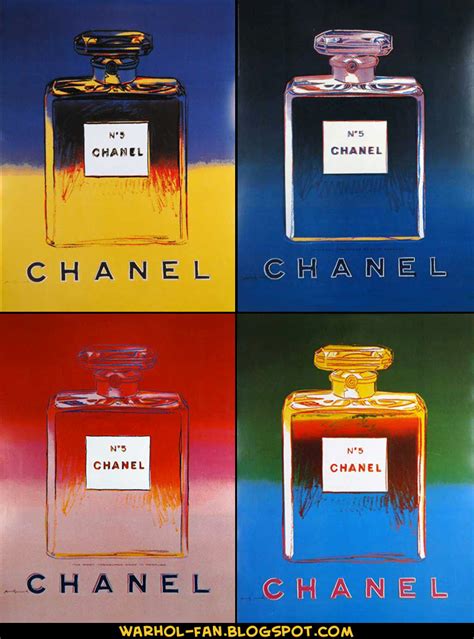
I can’t think of another perfume that has had the famous Any Warhol portrait treatment, can you? Do you like No.5, in any of its current versions or flankers? And happy Mother’s Day to all who are celebrating it today!
Chanel No.5 portraits by Andy Warhol; image from Fragrantica.com.
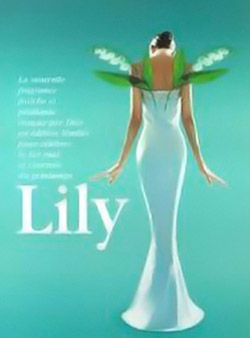
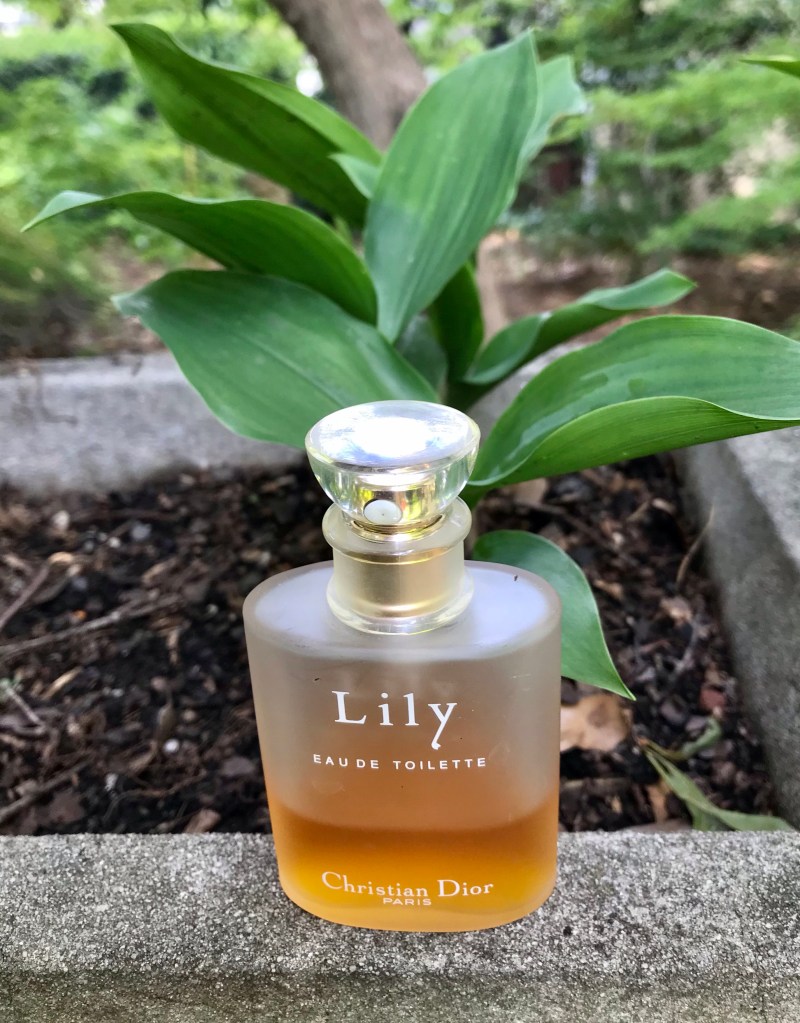
Parfums Christian Dior is responsible for possibly the most famous muguet fragrance of all time, Diorissimo. A less-known, discontinued muguet fragrance by Dior is the lovely Lily, launched in 1999. The perfumer behind it is Florence Idier, who also created Comme des Garcons’ Series 1 Leaves: Lily, another lily-of-the-valley fragrance. There is another fragrance called Lily Dior, but the one I have is just called Lily; it is an eau de toilette.
Lily, by Parfums Christian Dior; image from Fragrantica
Fragrantica (which has a photo of the wrong bottle on this fragrance’s page, btw; it shows 2004’s Lily Dior) lists its notes as: Top notes are Green Notes, Fruity Notes, Bergamot and Brazilian Rosewood; middle notes are Lily-of-the-Valley, Lilac, Lily, Jasmine and Rose; base notes are Musk and Sandalwood.
I acquired my bottle of Lily within the past year, so it has never featured in my frequent “May Muguet Marathon.” It wouldn’t be May for me without some reviews of muguet fragrances! I like Lily very much, and if I didn’t already have several true-love muguet fragrances, it would be among my top dozen. Even as a vintage eau de toilette, its top notes are clear and strong, with a noticeable fruit note at the start that reminds me of a green pear. The only listed top note that I don’t really smell is the rosewood; the opening is very fresh and green.
The lily-of-the valley note steps forward quickly and it is very natural-smelling (although LOTV notes famously rely on clever combinations of other substances, as the flowers’ natural essence cannot be extracted). The companion notes of lilac and jasmine are evident, with the lilac slightly more obvious than the jasmine. At this stage, Lily reminds me a lot of the 1998 version of Guerlain’s Muguet, which was created by Jean-Paul Guerlain and launched the year before Lily.
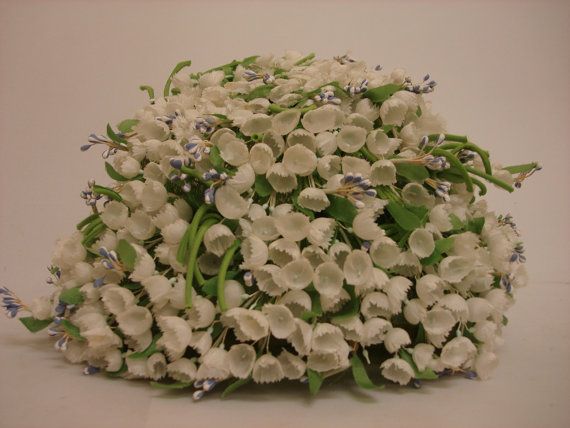
Hmmm. The list of notes for each fragrance is almost identical, according to Fragrantica. The clear presence of both lilac and jasmine in the middle stage, as part of the evocation of lily-of-the-valley, is very similar in each fragrance. Lily‘s opening is distinctive, though, with that green pear note that gives it some zing together with the bergamot. I’m going to give Parfums Dior the benefit of the doubt here, though: Christian Dior’s association with the muguet, his favorite flower, goes back decades and prompted the creation of Diorissimo; the flower appeared regularly in Dior fashions: dresses, scarves, hats, jewelry, and apparently he had a tradition of giving sprigs of lilies-of-the-valley to employees every May Day, which the fashion house continues to this day. Don’t you just love this hat?
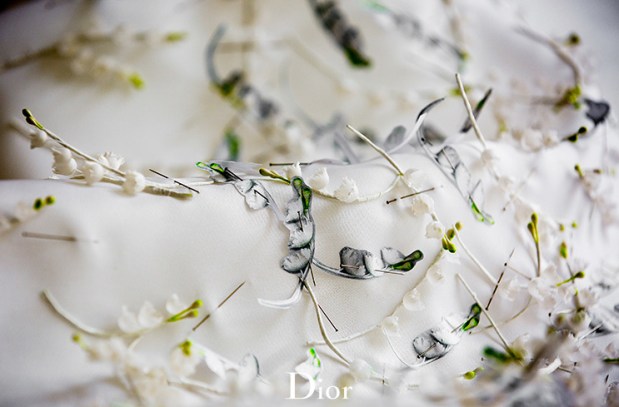
Lily of the valley hat by Christian Dior
The Christian Dior name is also attached to a wide variety of household goods featuring lilies of the valley as his signature flower, everything from sheets to fine porcelain. A new collection of muguet-themed housewares was launched by Dior last year, and they are quite beautiful.
As my regular readers know, I truly love muguet fragrances. I struggle to grow them here in the South, as it really is too hot and humid here for them, but I have a few plants I have nursed along in dedicated planters on the shady edge of our front terrace, where I can keep them well-watered and mulched with the rich humus compost they love. Lily is very true to the natural scent of lilies-of-the-valley and it doesn’t smell soapy at all to my nose, unlike some LOTV fragrances. It doesn’t last more than a few hours, which is the norm for most muguet fragrances, especially in eau de toilette concentrations. While it lasts, though, it is very pretty. However, most of the prices you will see online for Lily are too high, considering that one can easily find lovely, newer, muguet fragrances that are more affordable, or at least fresh (see my “May Muguet Marathon” posts for some suggestions!).
For a lovely post on lily-of-the-valley scents, check out one of my favorite blogs, Bois de Jasmin. Its author, Victoria, mentions Dior’s Lily briefly in the comment section. She writes about muguet fragrances pretty regularly, as it is a favorite scent of hers. I know lily-of-the-valley scents can be polarizing; people tend to like them very much, as I do, or not at all. How do you feel about them?
Today’s floral is Serge Lutens’ La Vierge de Fer, which means “Iron Maiden” in English. The Iron Maiden was a notorious (though possibly apocryphal) medieval torture device, an upright metal box shaped like a person, in which spikes were set into the interior of the opening, which, when closed, would pierce a prisoner locked inside the device. Lovely.
I don’t follow Serge Lutens very closely although I have and appreciate several of his fragrances, and I would love to visit his boutique in the Palais-Royal in Paris some day. So I don’t really buy into the self-consciously arcane descriptions of his fragrances, but here is what the brand writes about La Vierge de Fer:
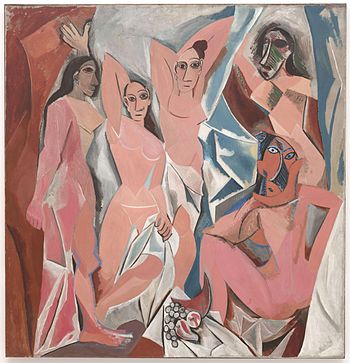
Let there be light! And darkness no more. He who wishes does not have a black soul! “I will come as a thief …” said Christ; certainly in silence and probably, for him, wearing shoes. To deserve his title, the Thief must act under the wide-open eye of the absent owners. In this case, it is not that tenuous eye with which Cain stares without regret, but another, which in some way will make an accomplice of Abel. If the fetishes, idols and charms of the Museum of Man, in Paris, had not met the 20th century, everyone would have missed that incredible mockery of Eros which The Young Ladies of Avignon certainly is. “The Negros had understood that everything which surrounds us is our enemy”, the wizard Picasso said to his paintbrush. Who, if not one of them, decided on life, by death, would dare, to unclench the teeth of this sex of the world: fear. Since it is the fruit of our entrails, it must be elevated. For that, not fearing incest, we will embrace it. In this way, she will give birth to our most beautiful monsters. That is how, a little rusty by dint of doubts, my steps have rejoined La vierge de fer (the Iron Maiden); that lily amongst the thorns.
Today’s fragrance is a true “melange”, from the Zara Emotions line, a series of fragrances created by the perfumer Jo Malone for Zara, the clothing retailer that is known for its inexpensive yet effective fragrances. In interviews, Ms. Malone has said that the line uses raw ingredients similar to the ones she uses in her own (much more expensive) line, Jo Loves, taking advantage of Zara’s enormous global buying power; there are just fewer separate ingredients in each Zara Emotions fragrance. The Zara Emotions fragrances are pretty simple but several are very appealing, and they are designed to be easy to layer with each other. So today, I am wearing one of the brand’s recommended combinations, Waterlily Tea Dress and Amalfi Sunray.





 Serenity Now Scents and Sensibilities