Notes on Notes: Tropical Fruits

Notes on Notes: Tropical Fruits

Welcome to another monthly installment of “Notes on Notes”, a collaboration between me and Portia Turbo of Australian Perfume Junkies! This month, we focus on tropical fruits. For me in the Northern Hemisphere, this seems very appropriate given the sweltering summer heat and humidity we’ve been enduring lately, complete with afternoon torrential downpours.

“Tropical fruits” covers a lot of territory — everything from bananas to pineapples, both of which are easily available in American supermarkets. We almost always have bananas on hand, and as it happens, I have fresh pineapple in the house right now because we had our three young adult children here for brunch, and I usually buy a readymade fruit salad to serve with brunch, which often contains pineapple. The fruit is much sweeter and fresher than any fragrance I’ve tried manages to convey. Fresh-squeezed pineapple juice is a treat I enjoyed on our one trip to the Bahamas many years ago. Come to think of it, we rarely travel to tropical locales, even Florida which is a nearby state; South Florida is considered “tropical.”

Did you know that coconuts are technically fruits, in a category called “drupes”? And they’re certainly tropical. Unlike pineapples and bananas, I rarely eat coconut. I don’t dislike it, I just don’t come across it very often, other than as an ingredient in baked goods or candy. In fragrance, the scent of coconut immediately reminds me of suntan lotion.

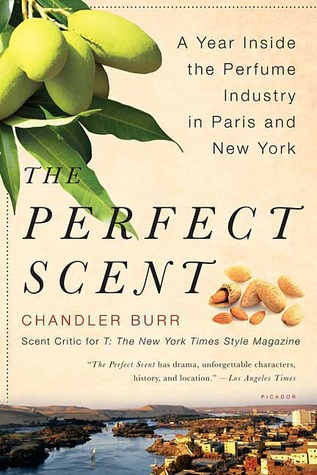
My impression is that the widely varying scents of tropical fruits are most often used in perfumery to convey “sunshine”, “summer” or “beach”, although Zoologist’s famous Bat used a banana accord and notes of other soft tropical fruits to refer to fruit bats in the tropics. (Bat was discontinued by Zoologist, but the perfumer who created it, Ellen Covey, now sells it online through her business Olympic Orchids Artisan Perfumes, under the name Night Flyer). Jean-Claude Ellena famously built his first fragrance as Hermès’ in-house perfumer, Un Jardin Sur le Nil, around an accord of green mango, as recounted in Chandler Burr’s book “The Perfect Scent”, not to evoke the tropics or a beach, but instead, a garden island in the Nile River.
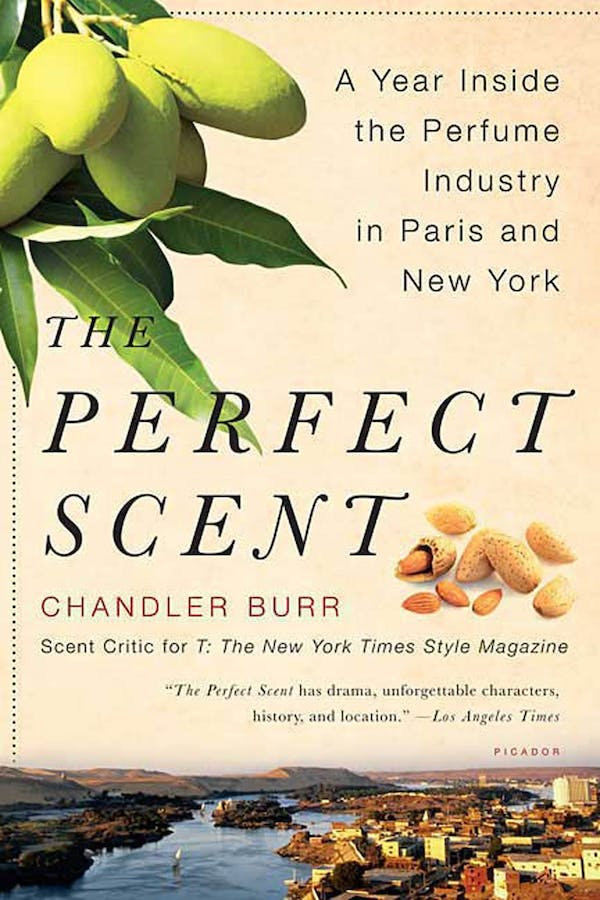
Book cover of The Perfect Scent by Chandler Burr
The Perfect Scent; image from macmillan.com.

A classic example of how tropical fruits may be used in fragrance is CK One, often presented as a summer scent — so much so, that the brand frequently issues a summer flanker of CK One. It includes pineapple and papaya among its top notes, with citrus fruits such as lemon, bergamot, and mandarin orange.

Bottle of CK One fragrance with fruits, flowers, other notes
CK One; image from highstreetpakistan.com

The full list of notes, per Fragrantica, is: top notes of Lemon, Green Notes, Bergamot, Mandarin Orange, Pineapple, Cardamom and Papaya; middle notes of Lily-of-the-Valley, Jasmine, Violet, Nutmeg, Rose, Orris Root and Freesia; base notes of Green Accord, Musk, Cedar, Sandalwood, Oakmoss, Green Tea and Amber. Created by Alberto Morillas and Harry Fremont, launched in 1994, M. Morillas has said it may be his favorite of the hundreds of fragrances he has created, in a 2022 interview with Fragrantica’s Patric Rhys:

“I created this perfume for the States, but it’s a very European style, my style – the Spanish style. It’s very fresh, easy to wear, but it can be appropriated. It smells different on each skin, when a man wears it, when a woman wears it… And for me, it’s still very modern, and doesn’t smell old fashioned, but of the actual time.”

I would agree — CK One is still modern, fresh, and unisex. I don’t find the pineapple to be a main player in the opening, though — the citrus fruits dominate. However, I think the pineapple accord contributes to the sweetness they convey in CK One in addition to the usual citrusy brightness. CK One moves through its opening stage quite rapidly; the heart notes are mostly floral, at least on my skin. To my nose, the combination of base notes just adds up to “green and woody” and I can’t say that I really detect separate notes. All in all, CK One doesn’t last very long, but the journey is very pleasant and does bring to mind a sunny vacation.

M. Morillas likes it so much that when he was asked to name the three fragrances he would want to keep personally, of all his creations, if he could only have those three, he named CK One first, saying that it captures his “sunny personality.”

In a 2017 interview with blogger Richard Goller at Fragroom.com, M. Morillas explained how he has used tropical fruits in creating summer flankers of L’Eau d’Issey, which was originally created by his friend Jacques Cavallier:

“Both the masculine and the feminine Eau d’Issey personalities remain so distinctive I can play with new modern freshness by inviting novel ingredients into the composition, while staying true to their unique signatures. Pineapple and kiwi bring the new exotic twist to the masculine scent. Summer is also played by exotic fruits for the feminine version. I introduced a new invigorating brightness throughout the colourful cocktail of dragon fruit, mango and guava.”

Another fragrance with a detectable pineapple note is Birmane, by Van Cleef & Arpels. Unlike CK One or many other scents using tropical fruits, it is not meant to be a summery or beachy fragrance. Now discontinued, I’ve read that it was designed as a “light oriental”. It is lovely! “Birmane” means Burmese, i.e. from the country now known as Myanmar and formerly known as Burma. Myanmar does in fact have a tropical climate and sits in the monsoon region of Asia; it is a top producer of tropical fruits. I suspect this is why Birmane was created as a “light” oriental fragrance, with no spice notes (more characteristic of scents meant to evoke the Middle East). Top notes include bergamot, pineapple, rosewood and lemon. The heart has notes of rose, orchid, iris, and heliotrope. The base notes include vanilla, tonka, sandalwood, and musk. Orchids, of course, are tropical flowers, and vanilla also comes from an orchid that grows in tropical environments.
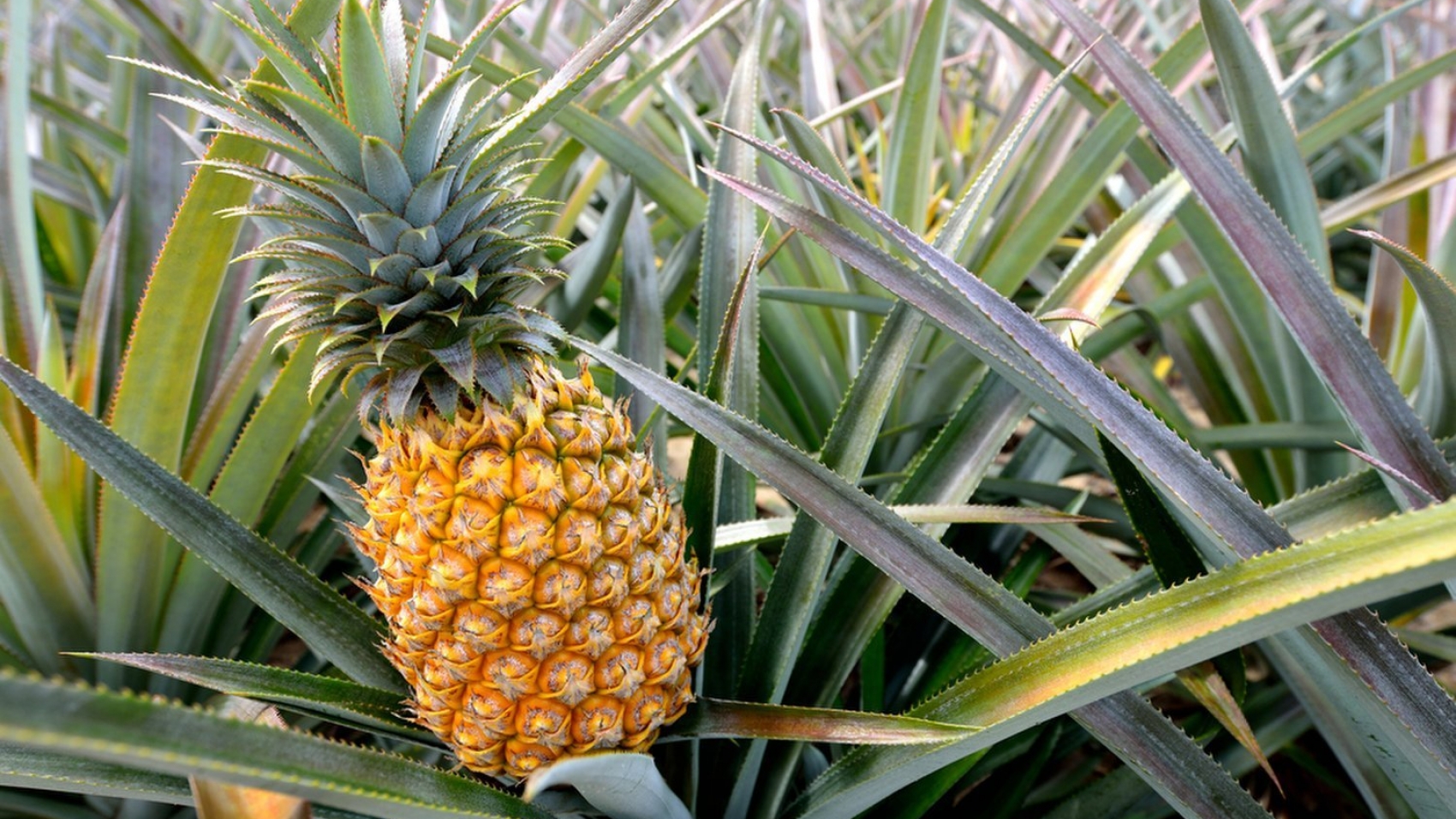
Pineapple fruit growing in Myanmar
Pineapple growing in Myanmar

Birmane was launched in 1999, which is interesting as it smells to me more like a classic fragrance of an earlier era. Not musty at all, no aldehydes, but it is rich and multi-layered in a way that was starting to go out of style among designer fragrances in the 1990s. As it dries down, the fruits give way to the flowers which then give way to sandalwood with a touch of vanilla and warm musk. It’s a very soft, appealing fragrance when judiciously applied. I can see that it might be a bit overwhelming if heavily sprayed.

There are other, more famous fragrances that incorporate a pineapple accord: Creed’s Aventus is one, and Jean Patou’s Colony is another. I don’t own Aventus; I do have a bottle of Colony, from the Collection Heritage that perfumer Thomas Fontaine created to bring back some of the house’s legendary fragrances, but I haven’t discussed it here because it has been tucked away with some of my collection while we have some repairs done.

Do you have or love any pineapple fragrances? Or scents with any other tropical fruit(s)? And please jump over to Australian Perfume Junkies to get Portia’s “Notes on Notes”!

Notes on Notes logo
Notes on Notes; image by Portia Turbo.
Perfume Chat Room, July 28

Perfume Chat Room, July 28

Welcome to the weekly Perfume Chat Room, perfumistas! I envision this chat room as a weekly drop-in spot online, where readers may ask questions, suggest fragrances, tell others their SOTD, comment on new releases or old favorites, and respond to each other. The perennial theme is fragrance, but we can interpret that broadly. This is meant to be a kind space, so please try not to give or take offense, and let’s all agree to disagree when opinions differ. In fragrance as in life, your mileage may vary! YMMV.

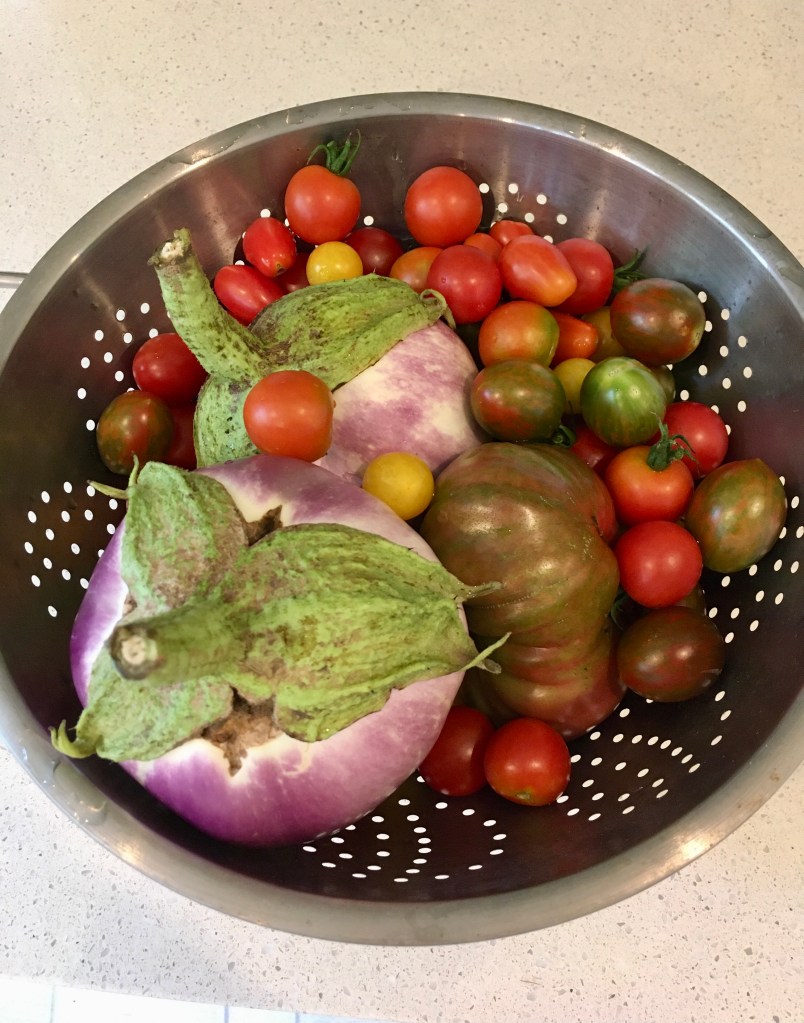
Today is Friday, July 28, and it’s still hot! I am consoled by the fact that my garden is now providing generous amounts of tomatoes and eggplants, as well as a second flush of rose blossoms. Also, I’ve found a new favorite recipe for eggplant parmesan: Delish’s Skillet Eggplant Parmesan. Honestly, it’s way better than normal eggplant parmesan because it’s not as bready. Normally I don’t think my husband and son would touch eggplant with the proverbial ten-foot pole, but they devour this. My second attempt was even better than my first, because I used a tomato sauce that includes truffle, porcini, and cream. Heaven!

As for the tomatoes, we are now happily in tomato sandwich season and I plan to eat that for lunch every day. Even if my own plants don’t deliver daily, our local farmer’s market sells plenty! The New York Times recently ran an article on tomato sandwiches that set off a furor in the comments, because its headline implied that tomato sandwiches are particular to the South: The Sandwich Southerners Wait for All Year. Folks from New Jersey, which is justly famous for its excellent tomatoes, were particularly incensed.

Given the current bounty of my garden, I thought it would be fun to identify fragrances with notes of both tomato or tomato leaf, and rose. And of course, what popped up but a longtime favorite: Gardener’s Glove, by St. Clair Scents! Also La Feuille, by Miller Harris. Another fave of mine, Un Jardin Sur le Nil, famously combines a tomato note with florals and other notes, but not rose.

Do you have any favorite scents with tomato or tomato leaf notes? Or a favorite tomato sandwich recipe?

Counterpoint: Le Jardin de Monsieur Li

Counterpoint: Le Jardin de Monsieur Li

Welcome to June’s installment of “Counterpoint”, a feature in which Portia of Australian Perfume Junkies and I exchange our thoughts on the same fragrance! This month’s featured fragrance is Le Jardin de Monsieur Li .

Bottle of Hermès fragrance Le Jardin de Monsieur Li
Le Jardin de Monsieur Li, by Hermès; image from Portia

Le Jardin de Monsieur Li is part of the “Jardin” series by Hermes, created by Jean-Claude Ellena. It was launched in 2015, and it is meant to evoke a Chinese garden, with notes of kumquat, bergamot, jasmine, mint, and green sap.

I believe this was the last of the “Jardin” fragrances create by M. Ellena while he was Hermès’ in-house chief perfumer. I love gardens, and I love the “Jardin” fragrances, each one inspired by a different garden. In the case of Le Jardin de Monsieur Li, Hermès says it is a garden “poised between reality and imagination”, but it reminds me of a real garden I visited the one time I have ever been to China. I had gone with my husband to Shanghai, where he had work for a week, and I was on my own to explore the city. I don’t speak Mandarin, but I taught myself a few phrases (“Excuse me”, “Please”, and “Thank you”) and the Shanghai metro was very easy to navigate. High on my list of places to go was the Yuyuan Garden, built several hundred years ago during the Ming dynasty.

Yuyuan Garden in Shanghai
Yuyuan Garden; image from ChinaXianTour.com.

It is a remarkable place, five acres completely enclosed by ancient stone walls in the middle of a bustling part of Shanghai where the Old City has been engulfed by the modern metropolis. The garden is divided into six main areas with different themes and purposes; parts of the garden and its structures were used for performances, for example. It has water features and a large koi pond, and amazing stone work in addition to several rockeries. Some of the most striking elements are the “dragon walls” that divide the garden; the walls are built to look like the undulating back of a long dragon, and they end with a dragon’s head! The garden’s name means pleasing and satisfying, and it was created as a tranquil haven for an important Chinese official’s parents by their dutiful son.

Dragon wall in China's Yuyuan Garden
Dragon wall in Yuyuan Garden; image from treetreats.wordpress.com

Upon entering the garden after leaving the modern metro, one may experience a quick, delighted intake of breath, and I had the same reaction to Le Jardin de Monsieur Li. It is at once citrusy, aromatic, and floral – a perfect summer fragrance.

  1. How did you first encounter Le Jardin de Monsieur Li, and what was your first impression?

Portia: As soon as Monsieur Li came out I wanted to get some on my skin. The Jardin range is some of Jean Claude Ellena’s best work (in my opinion anyway) and I’m yet to find one that disappoints. Sydney gets things later than the world but luckily Jin and I were in Tokyo and we hunted it down at a department store Hermès counter. Mint is one of my favourite notes in fragrance and so I was immediately smitten. Jin bought me a set with shower gel and lotion in the most fabulous box. So not only is Monsieur Li lovely but it has an excellent scent memory to match.

Old Herbaceous: I first encountered it when I “met” the other Jardin fragrances. It launched at about the same time that I went completely down the perfume rabbithole, in 2015 (the same year I started this blog to record my impressions and experiences). My late mother had sent me a generous birthday check, and I discovered that a certain discounter website had all five of the original Jardin fragrances for very affordable prices, so I used her gift to buy myself the whole set (I have a thing for complete sets), having become intrigued by reading Chandler Burr’s book The Perfect Scent, which included his account of how M. Ellena created Un Jardin Sur le Nil.

I think my first impression of Monsieur Li was colored by how much I love Un Jardin Après la Mousson and Sur le Nil. I didn’t pay as much attention to it. Once I really tried it and focused on it, I found Monsieur Li to be just as rewarding as those favorites, though they still “outrank” it.

2. How would you describe the development of Le Jardin de Monsieur Li?

Old Herbaceous: The citrus notes in the opening are refreshing with that slight bitterness, like the grapefruit accord that M. Ellena uses so often. They are quickly joined by the jasmine, but this is a light, fresh jasmine, not the heavy narcotic white flower smell often associated with that accord. To me, it smells like jasmine polyanthum, a lovely pinkish white jasmine vine that is often grown indoors as a houseplant.

I smell a touch of mint, which adds to the freshness of the scent and lends it a tinge of green. As some of you know, I do love my strong green fragrances; this is not a strong green fragrance at all, but it has just enough greenness to appeal to me. As it dries down, the citrus notes slowly recede, as they usually do, but they linger enough to maintain the aromatic aura of this summer floral. The final stage is lightly musky, but I can still smell jasmine and mint, so it has a lovely, soft finish.

Portia: Before we get to spritzing I’d like to say how much I love the feel of these bottles. The glass is so smooth it’s like fabric. It’s hefty without being heavy and fits my hand like it was made just for me. Already I’m feeling good. I rather like the way JCE thinks:

“I remembered the smell of ponds, the smell of jasmine, the smell of wet stones, of plum trees, kumquats and giant bamboos. It was all there, and in the ponds, there were even carp steadily working towards their hundredth birthdays.” Jean-Claude Ellena

It’s like he has translated these memories perfectly into scent.

Hermès gives these featured accordsL Sambac Jasmine, Kumquat, Bergamot

Water, shade, greenery gowing in a glasshouse. A terrarium. Yes, I smell sparkling and pithy citrus, some vegetal musks, clear and clean white florals. It might have been suggestion but I also smell broken bamboo, that weird dry/torn/sappy/sweet/coldness that the smell evokes in my mind. I also smell bittersweet citrus juice. The heart moves on and gives me peony and waterfalls over the top and some non-citrus fruit but I can’t pinpoint it. Maybe even berries? Later the vegetal musks seem to mix with some resins, I want to say elemi but really it’s just a feeling more that a scent association.

That’s the fireworks of open and heart. As Monsieur Li heads towards dry down the vegetal musks and resins with an overlay of cut green oranges continues quietly but pervasively for hours. Towards the end I even smell something vanilla-ish. It melds with my skin but makes it smell 100x better than it ever has.

It’s not weird or big or crazy. It definitely has a softer amount of that JCE Jardin oily sweetness undercut by water and greenery. Monsieur Li  is surprisingly long lasting on my skin too

3. Do you or will you wear Le Jardin de Monsieur Li regularly? For what occasions or seasons?

Portia: Yes, I wear Monsieur Li regularly. Though regularly means monthly rather than weekly. It works best for me when there is at least dappled sunshine. The temperature is not so important but I always feel really alive when wearing it in the sun. 

Though it fits perfectly in most occasions I particularly love it when smelling good but not overwhelming is the job of the day. Perfect for food, movies, travel or anything up close. Also excellent as a bed time calming or early morning get me revved for the day spritz. So versatile.

Monsieur Li is surprisingly long lasting on my skin too 

Old Herbaceous: I don’t wear it regularly, but I really should! It is especially appealing as a summer fragrance, though I would happily wear it during the spring and really any time I want a fresh cologne-type scent. I think it would partner beautifully with a guest’s summer wedding outfit, for any gender.

4. Who should/could wear Le Jardin de Monsieur Li ?

Old Herbaceous: This is a truly unisex scent, in my view. It has just the right combination of citrus, aromatic, and floral notes to balance between the traditionally feminine and masculine. When I was growing up, in a preppy part of New England, men often wore ties made of Liberty Tana Lawn floral fabric to summer parties and weddings, with lightweight suits; Le Jardin de Monsieur Li  would go wonderfully with those.

Portia: Monsieur Li  will probably be a bit low key for most hard core perfumistas. Their perfume wardrobes probably have enough cologne style fragrances.

Mint and aquatic are both also a no-go space for a lot of people. What I would say to anyone afraid of spritzing is that here the citrus and green notes are king. Though mint and water are present and noticeable the way that JCE has made this perfume could be a gateway for you. 

Definitely unisex, its longevity means you can wear it to work and still have remnants left at the end of the day. It is also the sort of low key beauty that any non perfumista who wants to smell good as part of being dressed well could wear year round. I’ve not given it as a gift but thinking about that now it would be a perfect non confronting, wearable, elegant selection. That it has bath products that match make it even more alluring.

I’m also thinking that for someone who wants to define their leisure time with scent, Monsieur Li would be a beautiful, laid back, pared back signature. A gentle waft of freedom.

Bottles of Hermès "Jaradin" fragrances
Hermès’ “Jardin” series of fragrances; image from hermes.com

Have you tried Le Jardin de Monsieur Li? Thoughts? Also, I can’t omit mention of Sarah McCartney’s wonderful riff on it: 4160 Tuesdays’ Le Jardin de Monsieur McGregor, another garden scent I love very much! And its name makes me smile.

Do you have any requests for an upcoming Counterpoint fragrance? The only limitation is that it must be one Portia and I both possess or can sample. Suggestions are welcome!

Counter/Point, a monthly blog collaboration
Notes on Notes: Citrus

Notes on Notes: Citrus

Welcome to the June installment of Notes on Notes, a collaboration with Portia of Australian Perfume Junkies! Each month, we choose a fragrance note and each of us writes a blog post about it based on our personal experiences. This month, the note is citrus (encompassing any and all citrus notes), since it suits the summer months so well.

Most of the familiar citruses are “hesperidic” fruits. According to Wikipedia, “Carl Linnaeus gave the name Hesperideæ to an order containing the genus Citrus, in allusion to the golden apples of the Hesperides.” These include oranges, lemons, grapefruit, limes, and (importantly for fragrance) bergamots. All offer essential oils from their bitter rinds which have been used often in the creation of fragrances, with synthetic versions available as substitutes.

In fragrance, the perfumer I most associate with brilliant use of citrus notes is Jean-Claude Ellena. He likes their bitterness; and a citrus has often been the featured opener for many of his fragrances, including the Jardin series he launched at Hermès. I’ve written before about my love for Un Jardin Sur Le Nil, which opens with a marvelous grapefruit accord. Miller Harris’ discontinued Tangerine Vert is another terrific citrus scent; in that post, I also covered another sadly discontinued fragrance, from Maison Martin Margiela, Replica Filter Glow. It was a dry oil fragrance meant to be directly layered with a complementary scent and said to prolong it. You could also wear it on its own, with its notes of neroli, grapefruit blossom, bergamot, and rose absolute. I think it would enhance any citrus-forward fragrance.

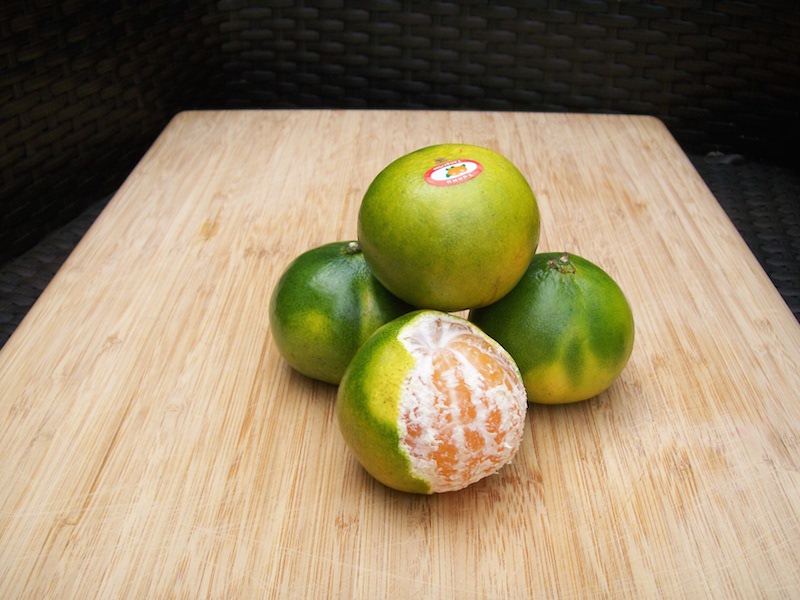
Green tangerine fruits on wood
Green tangerines; image from http://www.eatwellshanghai.com

Much as I love the other citrus notes, in perfume my favorite may be bergamot. I was raised on Earl Grey tea, whose distinctive aroma and flavor come from the infusion of bergamot essential oil into the tea, so I associate happy memories of teatime with that scent. (Earl Grey tea brings back childhood memories so strongly that I always drink it with milk and sugar, unlike most of the other teas and coffees I enjoy). I love the fresh zing it brings to a fragrance’s opening, and its green astringency, which partners so well with the green scents I love, like Chanel’s Cristalle and No. 19. Bergamot seems to enhance galbanum, and vice versa.

My two newest citrus-based fragrances were both bought on recent vacation trips (perfume tourism strikes again!): Carthusia’s A’mmare, which I bought in Milan last summer, and Lili Bermuda’s Bermudiana, purchased just last month in Bermuda. Both open with a detectable burst of bergamot, combined with aromatic herbs. A’mmare pairs it with rosemary (and salt); Bermudiana with basil and aldehydes. The fragrances are separated by six decades — Bermudiana was launched in 1962, and A’mmare in 2021.

A’mmare

Bermudiana has a strong heart note of galbanum, one of my favorites. A’mmare‘s heart notes are an aquatic accord and mint. Both fragrances pair so well with bergamot; both are very summery without being too beachy (i.e., they don’t smell to me like sunscreen). I love their combination of bergamot with different green herbs. They feel like summer colognes but last much longer.

Do you have any favorite citrus notes? Are there any you really dislike? I actually can’t think of any I dislike …

Check out Portia’s Notes on Notes on Australian Perfume Junkies!

Notes on Notes logo
Notes on Notes; image by Portia Turbo.
Perfume Chat Room, June 18

Perfume Chat Room, June 18

Welcome to the weekly Perfume Chat Room, perfumistas! I envision this chat room as a weekly drop-in spot online, where readers may ask questions, suggest fragrances, tell others their SOTD, comment on new releases or old favorites, and respond to each other. The perennial theme is fragrance, but we can interpret that broadly. This is meant to be a kind space, so please try not to give or take offense, and let’s all agree to disagree when opinions differ. In fragrance as in life, your mileage may vary! YMMV.

Today is Saturday, June 18, and I’m posting a day late because of more travel! Within the US this time, for another wedding (which is what kept me from posting last weekend!). We are at Colonial Williamsburg in Virginia, which we haven’t visited in several years, since we brought our kids here. The weather has dawned bright, sunny, and 20 degrees cooler than yesterday. That’s not a typo. Much of the Eastern US is having a heatwave. Luckily for this bride and groom, some storms blew through Virginia last night and pushed the heatwave away temporarily. Apparently it will be back up to 100 later this week!

Do you wear fragrances during heatwaves? Which do you find refreshing, or at least tolerable? Probably my favorite hot weather fragrance is Hermes’ Un Jardin Sur le Nil, famously created by Jean-Claude Ellena, as documented by Chandler Burr in the book “The Perfect Scent.” I’m really enjoying Carthusia’s new release, A’mmare.

Stay cool, friends!

The Governor's Palace at Colonial Williamsburg, Virginia
Colonial Williamsburg, the Governor’s Palace.
May Muguet Marathon: Lilia Bella

May Muguet Marathon: Lilia Bella

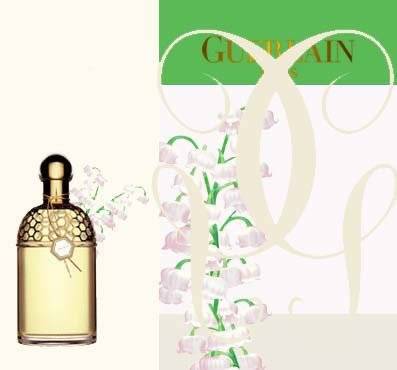
To start off our month of muguets, I’ve chosen discontinued Guerlain Aqua Allegoria Lila Bella. Created in 2001 by Jean Paul Guerlain himself, it was one of the early entries in the Aqua Allegoria line. Monsieur Guerlain, the blogging expert on all things Guerlain, writes that perfumer Mathilde Laurent collaborated on the first five Aqua Allegorias, but that would not include Lilia Bella. Like all the earlier Aqua Allegorias, Lilia Bella comes in a bee bottle housed in a pretty box with a botanical watercolor of the featured flower and the Guerlain monogram:

Bottle and package of Guerlain Aqua Allegoria Lilia Bella.

Aqua Allegoria Lilia Bella, by Guerlain.

Lilia Bella launched early enough to be included in Turin and Sanchez’ guide to perfumes, where it got a dismissive “A pleasant, well-executed lily soliflore, if you like that sort of thing” and three stars. Well, I do like that sort of thing, and I like Lilia Bella. It opens with unspecified “green notes” that smell a bit like wet grass, not at all like the powerhouse green notes of, say, Chanel No. 19. This dewiness suits the original idea of the Aqua Allegoria line, which is meant to suggest a morning walk through a garden. There is almost a tone of green cucumber, but not actually cucumber; that impression is fleeting, but it is enough to remind me of Jean-Claude Ellena’s last Hermessence for the house of Hermes, the lovely Muguet Porcelaine.  Very quickly, the lily of the valley (or muguet) note appears, paired with lilac. The lilac sweetens the lily of the valley and tones down its green notes while complementing it overall.

One lovely touch in the packaging is that the little bells of the muguet flowers, normally pure white in nature, as above, are tinted to make them visible against the white background of the box. The tint is a very pale lilac-mauve-pink, evoking the muguet’s floral partner in this fragrance.

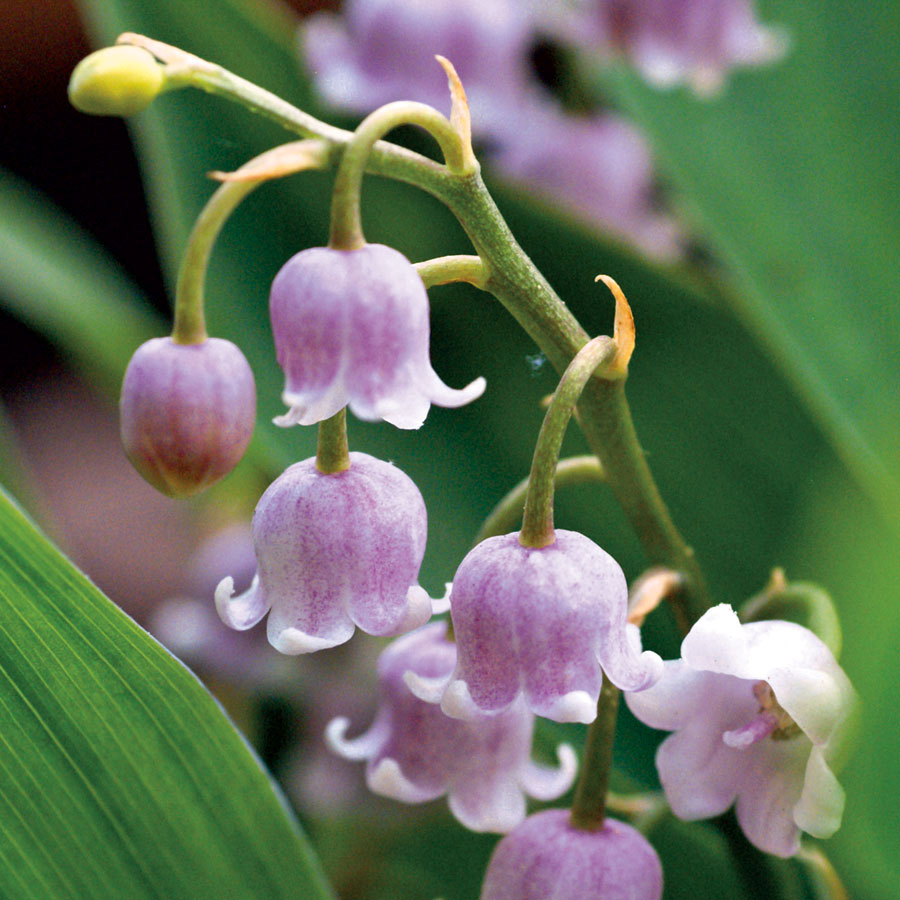
There are, actually, pale pink lilies of the valley; I have had one in my garden for several years, although it doesn’t flourish and spread like the white ones. On the other hand, in the warm climate where I garden, the white ones aren’t nearly as aggressive as they are up North, either. In any climate, the pink one, Convallaris majalis “Rosea” is not as fragrant as the white ones, but it is very pretty.

Blossoms of pink lily of the valley Rosea

Convallaris majalis “Rosea”; photo from http://www.jacksonandperkins.com

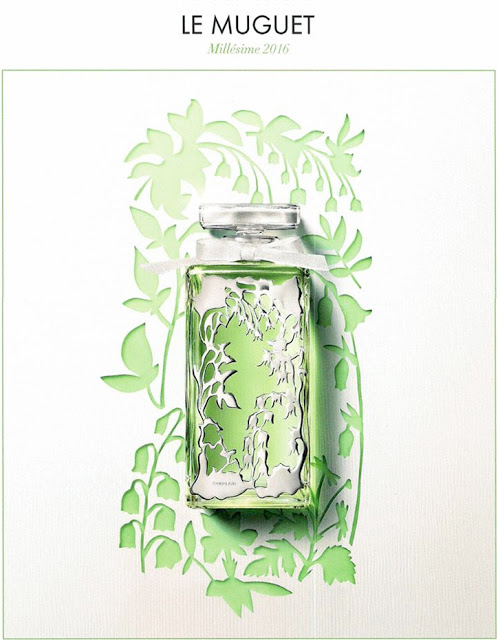
Monsieur Guerlain has written that Lilia Bella originated as a new Guerlain Muguet, sold under that name in 1998 and 1999. This was a successor to the much earlier Guerlain Muguet, created in 1908 by Jacques Guerlain, and discontinued in 1960. The new Muguet was off the market from 2000-2005, the period when the same fragrance seems to have been launched and sold as Aqua Allegoria Lilia Bella. In 2006,  Lilia Bella was discontinued under that name, and Guerlain began its new tradition of issuing the Muguet fragrance in a limited edition annual bottle every May 1, the May Day when the French traditionally give bouquets of muguet. The Muguet limited edition bottles are very beautiful, and very expensive. In 2016, Guerlain launched a new Muguet fragrance, created by Thierry Wasser, in the limited edition bottle that I think is the most beautiful.

Bottle of Guerlain Muguet 2016 fragrance

Guerlain Muguet 2016

Monsieur Guerlain also writes, in comparing Jean-Paul’s muguet to that of Jacques: “The lily of the valley note was still romantic, but effortlessly lifelike and fresh like an expensive bar of French soap. The addition of lilac gave it a very spring-like sensation of femininity, while rose and jasmine added natural depth and bloom. We recognize the cheerful, sunny style of an Aqua Allegoria.” I agree. As the rose and jasmine take their places behind the lily of the valley note, they add depth without diminishing the muguet. And yes, as Lilia Bella dries down, it does smell like a bar of expensive French or Italian soap, in a good way. On my skin, the sillage is moderate, and longevity is mid-range (5-6 hours). This is a very pretty scent, and it does evoke the scent of a dewy garden in the early morning of what will become a sunny day. Now, who doesn’t like that sort of thing?

Great Perfumes, from the NY Times

Great Perfumes, from the NY Times

The New York Times has a “style” periodical supplement called, simply, “T”.  Earlier this month, T editors were polled about their favorite fragrances: Great Perfumes, Recommended by T Editors. I must say, though, I chuckled when I read this: “Perfumes are my obsession: I have a wardrobe of about 30 I cycle through.” That editor needs to meet some of the fragrance bloggers I read, or even some members of the group Facebook Fragrance Friends, who own HUNDREDS of perfumes! Even I, a relative newbie, have more than 30. On the other hand, that editor may be at the more sophisticated stage of having owned dozens upon dozens of fragrances once upon a time, and now, like Undina of Undina’s Looking Glass, one of my top favorite blogs, being more educated and selective with the result that she has winnowed her collection of the chaff. I’d still put Undina’s collection up against most, from the little I’ve read about it, including this T editor’s! I mean, she has a DATABASE of her collection. Some day I hope to emulate that level of organization and commitment. Right now, to borrow one of Undina’s many memorable phrases, I am often still “kissing an army of frogs instead of spending days with already realized kings.” (And enjoying myself thoroughly, I might add).

But back to the T editors and their choices. Another phrase I loved in the article was when one editor described herself as “polyamorous when it comes to perfume.” Another writes of her discovery of fine fragrance after she read Chandler Burr’s article in The New Yorker that became his book The Perfect Scent, which describes the development of Jean-Claude Ellena’s first fragrance as the new in-house perfumer for Hermes:

The story had captured my imagination. I think, deep down, I so badly wanted to be the elegant woman Ellena considers wearing his scent as he roams through Egypt recording smells (lotus root, nasturtium) in his notebook. In recent years, I’ve diversified what scents I wear, but I always return to Jardin Sur Le Nil. Perhaps because if it once made me think I was luxurious, now it reminds me of a younger, more impressionable version of myself.

That book was my downfall too — I read it as part of my research when I was writing a script about two rival perfumers, and down the rabbit-hole I went.

The article is an entertaining summary of fragrance choices by beauty editors who have access to everything; it’s interesting to read what they love and why. I hope T Magazine publishes more articles about fragrance! Have you read any recent articles about scent that captured your attention or imagination? Any of the finalists for the Perfumed Plume award?

Featured image from http://www.nytimes.com, by Mari Maeda and Yuji Oboshi for T Magazine.

Fragrance Friday: Un Jardin Apres La Mousson

Fragrance Friday: Un Jardin Apres La Mousson

Given the hurricanes we have recently endured here in my part of the world, and in honor of my dear friend who evacuated from Florida a week ago and is able, happily, to return to her intact home tomorrow, it’s time for me to comment on a favorite fragrance: Un Jardin Apres La Mousson, translated as “a garden after the monsoon.” Very apropos, especially considering that my friend is a landscape architect and designer of lovely gardens!

Un Jardin Apres La Mousson is, of course, one of the “Jardin” series of fragrances created for Hermes by Jean-Claude Ellena while he was their in-house perfumer. I love all five of them, but this one is high on my list. Hermes’ website describes it as a unisex fragrance meant to evoke the calm of a wet garden in India after the rain“A serene expression of nature’s rebirth after the monsoon rains.” Jean-Claude Ellena

Un Jardin après la Mousson explores unexpected aspects of India, when the monsoon gives back what the sun has taken from the earth, and drives away the scorching breath of drought. In this novella, ginger, cardamom, coriander, pepper and vetiver tell the story of nature’s rebirth, captured in Kerala in a world overflowing with water.

Mousson’s specific fragrance notes include: cardamom, coriander, pepper, ginger, ginger flower, vetiver, and unspecified citrus, floral and water notes (it seems that the citruses are lime and bergamot). The spices are not hot or warm or traditionally “spicy.” They present themselves as “cool” spices, after a refreshing initial gust of citrus on first application. Omitted from the official list of notes is melon, which clings to the whole composition; some wearers experience that note as more like cucumber. Its presence is confirmed by a later analysis revealing that the aromachemical Melonal is a key ingredient.

Both melons and cucumbers are members of the plant family Cucurbitaceae, the flowering gourds. Both are indigenous to India and have been cultivated there for thousands of years, possibly as long ago as 3000 years. Many varieties of each are cultivated in Kerala and are widely used in Indian cuisine, with cucumbers especially often combined with the spices listed as notes for Mousson. The cucurbits grown in Kerala are “rain-fed crops”, benefiting from the region’s monsoon rains.

Cultivation of gourds and melons hanging from vines in India

Melons and gourds cultivated in India; photo from asianetindia.com

I have never been to India, but I have read that Kerala is one of its most beautiful regions, with tropical beaches and islands, breathtaking waterfalls, tea and cardamom plantations in the hills, rivers, lakes and houseboats. Some travel writers say that monsoon season is an idyllic time there, as the rains are not incessant deluges as in other regions, but daily downpours that last a few hours and disperse every day, allowing sunshine to reveal a remarkably verdant, rain-washed landscape. The rains replenish the famous waterfalls, lakes and rivers and cool the air. Monsoon season is also the time for the harvest festival of Onam; and it is reputed to be the best time for the ayurvedic treatments for which the region is famous.

Kerala, India, waterfall and green mountains during monsoon rainy season.

Kerala waterfall in monsoon season; photo from iryas/wikipedia.

Jean-Claude Ellena visited Kerala more than once during his work on Mousson. One of his trips is described by Phoebe Eaton in Liquid Assets:

In coastal Kerala, spices have been trafficked since the Romans rode in on the winds of the monsoons seeking cardamom and pepper: black gold. Women wear their saris differently here than they do up north, draping them like togas. And when the first monsoon blows in from the Arabian Sea — and it always seems to arrive during the first week of June, extinguishing the scorching rays of the summer sun and ushering in a joyful verdant renewal — the modest women of Kerala rush out into the rain, and the saris cling close to the body.

Chant Wagner wrote a lovingly detailed review of Mousson when it was released in 2008, at www.mimifroufrou.com. She’s a fan, as is Luca Turin; Chandler Burr was not. The latter’s review is puzzling; he spends more than a few sentences on his hypothesis that Ellena’s new creation would present a new experience of the aromachemical Calone, then he expresses outrage that it turns out not to be among the ingredients and calls Mousson a failure. Turin, on the other hand, praises the “core accord” as a “combination of melon, capsicum, and peppercorns” with an “incongruously fruity” effect. His review also notes the watery effects which Chant Wagner describes so well:

From the vantage point of the watery motif, it offers a notable variation on it by introducing a lactic, milky sensation that makes the perfume feel both aqueous, transparent and cloud-like. The fruit that is showcased here – a green cantaloupe going at times in the direction of a buttery watermelon – is [as] fluidly delineated as an impressionistic fruit can be.

Aqueous, transparent and cloud-like. Those words perfectly describe some of the lovely photographs I’ve seen of Kerala during monsoon season:

Clouds over mountains in Kerala, India, during monsoon season.

Kerala in monsoon season; photo sreetours.com

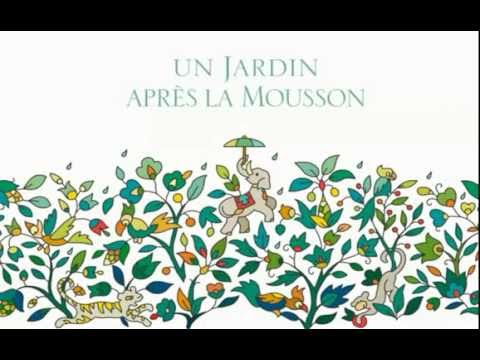
Mousson’s bottle is also lovely; it matches all the bottles of the other Jardin fragrances and, like them, is tinted with ombre shades of green, blue, or both (here, green is combined with blue). The bottle has a pleasing weight in the hand. The outer box is printed with a charming Hermes print of fanciful elephants, monkeys and parrots, cavorting amid flowers with tiny parasols in their grasp.

Print for outer box of Hermes' eau de toilette Un Jardin Apres La Mousson

Un Jardin Apres La Mousson print; hermes.com

I find Un Jardin Apres La Mousson intriguing, delightful, and different. I especially enjoy it during the summers here, which are hot and humid. As an admitted fan of all the Jardin fragrances, and a gardener myself, I may be biased! Have you tried this, or any of the others, and what did you think?

un-jardin-apres-la-mousson-boat

Un Jardin Apres La Mousson; image from Hermes, perfumista.vn

Perfume Tourism, 2017

Perfume Tourism, 2017

via Daily Prompt: Perfume

Two years ago, I became fascinated with perfume and fragrance. I was writing a screenplay about two rival perfumers and was doing research to capture some of the details and nuances of those characters’ thoughts and actions. I picked up Chandler Burr’s book, The Perfect Scent: A Year Inside the Perfume Industryand I was hooked. It is the story of the development of two perfumes, Hermes’ Un Jardin Sur le Nil, and Coty’s Lovelycreated with and for the actress Sarah Jessica Parker. The book follows the perfumers as they work on their assignments, or “briefs”, all the while explaining the arcane workings of the perfume industry.

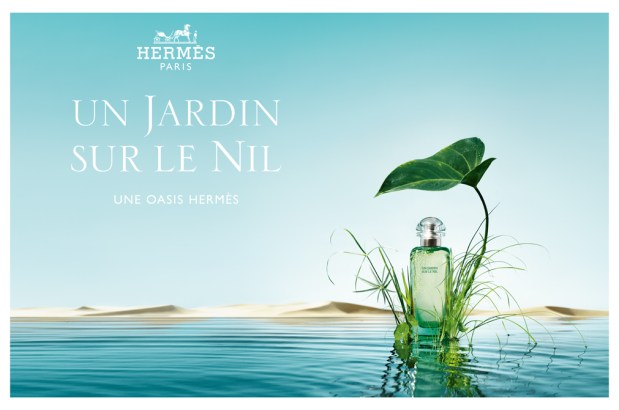
Advertisement for Hermes Un Jardin Sur le Nil, bottle of perfume resting on lotus leaf against background of Nile River

Un Jardin Sur le Nil; photo from hermes.com

The book also describes a journey, a form of “perfume tourism”, taken by Hermes’ then-new in-house perfumer Jean Claude Ellena and a team of Hermes executives to Egypt, specifically the Nile river, to try to capture the atmosphere of a “garden on the Nile”, which was the chosen theme for the new perfume. As poets and others have noted for centuries, fragrance and scent seem to link directly to human memories and emotions in a way that only music approaches; even so, scent is the more visceral line of communication between our senses and our memories.

My own perfume journey has been more like a tumble down a rabbit hole, as others have described it. I am also fortunate enough to have frequent opportunities to travel, so I have become a committed “perfume tourist.” What does that mean? I seek out unique opportunities to experience fragrance in my travels, including visiting independent perfume-makers and perfume boutiques. In hindsight, I have actually done this off and on for decades; on our honeymoon, my husband and I visited Grasse, the birthplace of fine French perfume, and toured more than one of the Grasse-based perfumeries (Molinard and Fragonard). When we went on a family trip to Bermuda several years ago, we visited the lovely Bermuda Perfumery,  home of fragrance house Lili Bermuda, in the historic old town St. George’s. I am very lucky that we set a pattern early of my husband indulging me with perfume souvenirs!

The Bermuda Perfumery in St. George's, Bermuda, with pastel houses

The Bermuda Perfumery. Photo: http://www.foreverbermuda.com

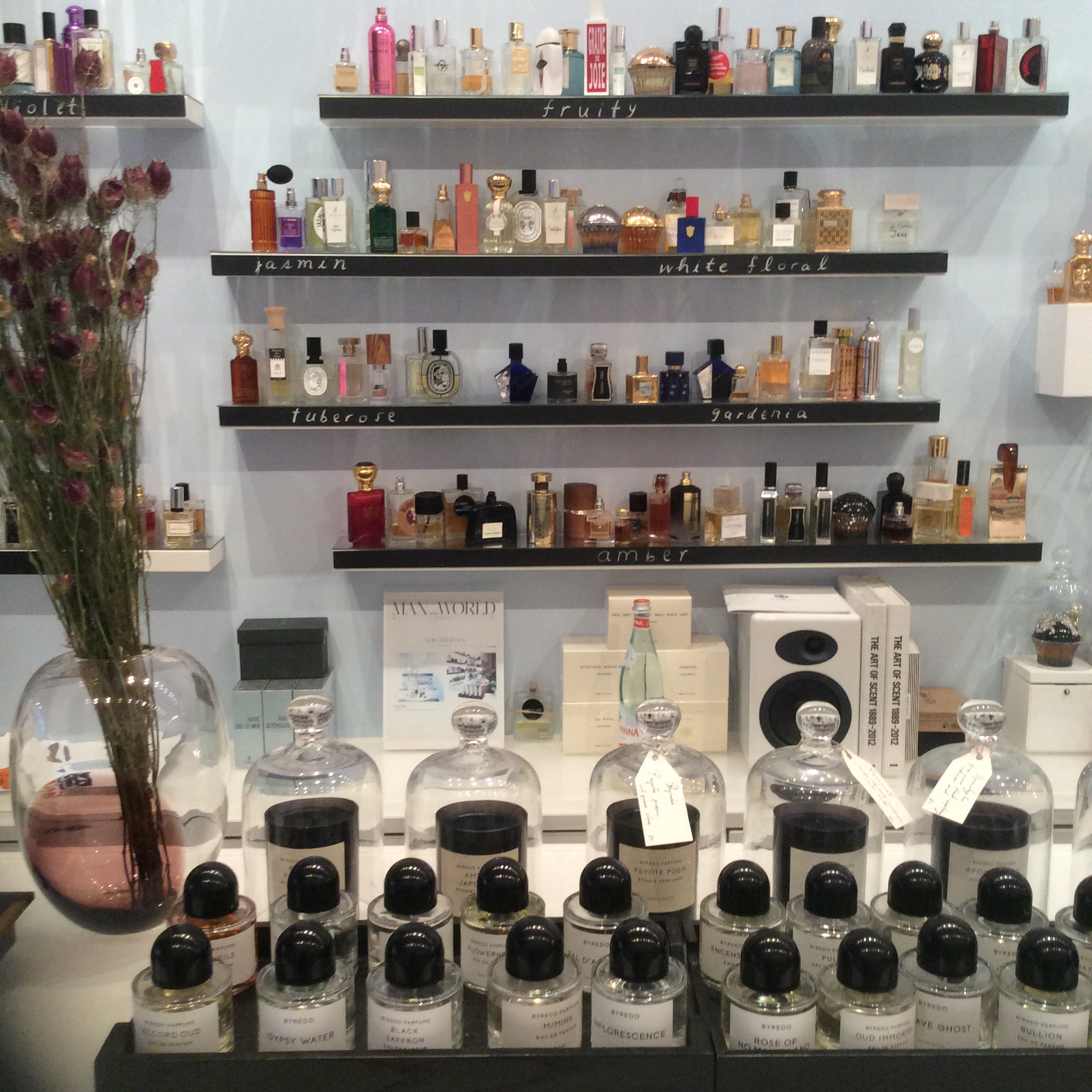
Now, however, perfume tourism is a more deliberate choice on my part. It has proven to be a novel way to experience cities: seeking out independent perfumeries, perfume museum exhibits, even perfume-oriented arts.  I have loved discovering independent perfume boutiques like Scent Bar in Los Angeles. And of course, nowadays my souvenirs of my trips are usually perfumes; I look for “niche perfumes” made in that country, but sometimes I just buy a nice fragrance that reminds me of that trip. A recent trip to Switzerland resulted in the purchase of three lovely niche fragrances in different cities, but also an inexpensive small bottle of eau de toilette from Victorinox Swiss Army (yes, the maker of Swiss army knives).

IMG_0101

Scent Bar, Los Angeles

This year so far, I’ve pursued perfume tourism in Barcelona, Spain, and in several cities in Switzerland. What’s next? Somerset House in London will open an exhibition this summer called Perfume: A Sensory Journey Through Contemporary Scent. I’m hoping I can get to London this summer to see it, as I’ve enjoyed other arts exhibitions at Somerset House in the past. And the ever-fragrant summer gardens of London are a must! Dreaming dreams of fragrant flowers and sweet perfumes …


Fragrance Friday: Un Jardin Sur le Nil

Fragrance Friday: Un Jardin Sur le Nil

The weather has hit the high nineties in my part of the world, complete with dense humidity and hot skies. It is steamy and hot, and we just spent a weekend with friends at their lake house. The house has a huge, high-ceilinged screened porch with two swinging daybeds suspended from its beams and ceiling fans rotating lazily above. I spent most of Saturday lounging on one of those porch swings, reading and looking out over the lakeshore where my teenagers alternately baked themselves in the sun and dipped into the water. And boy, was I in the mood for Un Jardin Sur le Nil! I spritzed myself with it liberally throughout the day and just basked in its green mango and lotus flowers. This fragrance truly blossoms in summer heat and humidity.

Bottle of Un Jardin Sur le Nil fragrance from Hermes, floating on a lotus leaf

Un Jardin Sur le Nil; photo from hermes.com

Citrus-based fragrances are not usually high on my list but perfumer Jean-Claude Ellena is a magician with grapefruit. The opening of Un Jardin Sur le Nil is my favorite part of the fragrance — a gust of grapefruit and green mango that I find very refreshing and alluring. The entire impression is very green, which likely comes from notes like bulrushes, tomato leaf and carrot, with that wonderful fruity-but-not-sweet opening. It is a different green than most “green florals”, though light floral notes emerge as the citrus dries down.

The story of Un Jardin Sur le Nil and its creation has been masterfully told by Chandler Burr, first in this story in The New Yorker and then in longer book form, in The Perfect Scent.

Book cover of The Perfect Scent by Chandler Burr

The Perfect Scent

After experiencing Un Jardin Sur le Nil on such a steamy, hot, humid day, I am appreciating its charms anew. In such an environment, it wafts off the skin in gentle waves of fresh coolness, as if one is about to sip the most delicious, refreshing drink in a green oasis. After the green mangoes and watercolor floral notes, the sycamore and incense notes at the base lightly suggest exactly the kind of setting in which I found myself this weekend: a wooden porch looking over a body of water, a humid breeze, a daybed heaped with pillows, ceiling fans turning gently above. In other words, there is a suggestion — just a soupcon, really — of this kind of room at the Old Cataract Hotel in Aswan, Egypt, where the Hermes team stayed during part of their exploratory journey:

Porch of the Old Cataract Hotel in Aswan, Egypt, looking over the Nile River

The Old Cataract Hotel, Aswan, Egypt. Photo: sofitel.com

Others have described and reviewed Un Jardin Sur le Nil in much more expert terms than I, and I encourage you to read The Perfect Scent, as it opens a window into the arcane world of perfumery in both Paris and New York. If you want to try the fragrance itself, I suggest that you try it on a hot summer day, when it truly comes into its own.

Bottle of Hermes fragrance Un Jardin Sur le Nil against background watercolor of lotus flowers

Un Jardin Sur le Nil, hermes.com