May Muguet Marathon: Sense of Smell

May Muguet Marathon: Sense of Smell

This week, the New York Times printed an article called: “You Will Never Smell My World the Way I Do”.  It opens with this statement:

The scent of lily of the valley cannot be easily bottled. For decades companies that make soap, lotions and perfumes have relied on a chemical called bourgeonal to imbue their products with the sweet smell of the little white flowers. A tiny drop can be extraordinarily intense.

If you can smell it at all, that is. For a small percentage of people, it fails to register as anything.

The article is about a newly published research study that confirms what many of us know, i.e. that different people perceive different scents in different ways, and also identifies one reason why that is: our genetic make-up, specifically a single genetic mutation, in many instances. This is a scientific breakthrough, one that the researchers themselves did not expect, according to the New York Times:

The work provides new evidence of how extraordinarily different one person’s “smellscape” may be from another’s. It’s not that some people are generally better smellers, like someone else may have better eyesight, it’s that any one person might experience certain scents more intensely than their peers

“We’re all smelling things a little bit differently,” said Steven Munger, director of The Center for Smell and Taste at the University of Florida, who was not involved in the study.

The scientists who conducted the study looked for patterns in subjects’ genetic code that could explain these olfactory differences. They were surprised to find that a single genetic mutation was linked to differences in perception of the lily of the valley scent, beet’s earthiness, the intensity of whiskey’s smokiness along with dozens of other scents.

Fascinating! And now we know why one person’s Diorissimo is another person’s cat pee. This is also why there is no point in arguing with another perfumista about what they smell in your favorite fragrances; it may very well be entirely, and legitimately, different from what you smell.

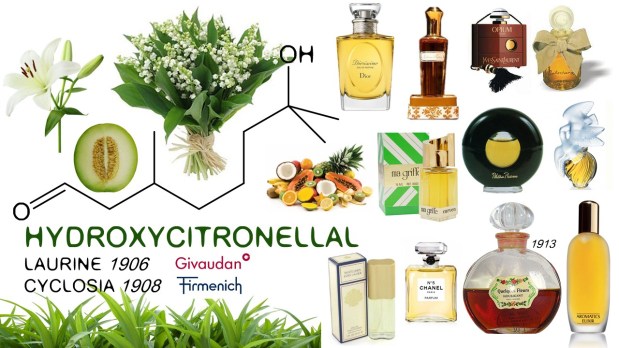
Bourgeonal is not the only option available to perfumers and noses, however. It is only one of many “muguet” fragrance molecules, which have to be created synthetically because it isn’t possible to extract fragrant essences from lilies of the valley the way one can with flowers like roses and lavender. Other synthetic molecules used to create a “muguet” scent include: hydroxyc­itronellal, Lilial, Lyral, Cyclosal, Heliopro­panal, and a relatively new introduction from Symrise, Lilybelle. For an in-depth professional article by a Firmenich chemist on the evolution of muguet fragrances, go here: Beyond Muguet. Chemist Mat Yudov also wrote a terrific article about the chemistry of muguet fragrances two years ago on Fragrantica: May Greetings: New Lily of the Valley Aromachemicals.

I’m glad to know that there is a new generation of aromachemicals available to support one of my favorite notes in fragrance, regardless of IFRA restrictions. Bravo, chemists! Do you have any fragrance notes that you know you simply don’t smell? Has your perception of any perfume been affected by that?

Featured image from Fragrantica.

May Muguet Marathon: Odalisque

May Muguet Marathon: Odalisque

Odalisque by Parfums de Nicolai is an eau de parfum with a strong floral heart of lily of the valley, jasmine, and iris, heralded by top notes of bergamot and mandarin, and resting on a base of oakmoss and musk. The brand calls it “a unique fragrance for strong personalities”, and on the website, its listing highlights, through graphics, the notes of mandarin, muguet, and oakmoss.

“Odalisque” is a word whose meaning has evolved over time. One author explains:

The English and French term odalisque (rarely odalique) derives from the Turkish ‘oda’, meaning “chamber”; thus an odalisque originally meant a chamber girl or attendant. In western usage, the term has come to refer specifically to the harem concubine. By the eighteenth century the term odalisque referred to the eroticized artistic genre in which a nominally eastern woman lies on her side on display for the spectator. (Joan DelPlato)

Patricia de Nicolai created the fragrance Odalisque in 1989. It is a very French perfume, as befits its creation by a member of the Guerlain family (her uncle is Jean-Paul Guerlain). It is not an Oriental fragrance by any means, or even a French version of an Oriental, as one might expect from a perfume that refers to a harem.  No, this Odalisque is a woody green chypre with a classic chypre structure, but using muguet as the featured floral note instead of the more commonly used rose and jasmine (Odalisque’s heart notes include jasmine blended with iris, together with the lily of the valley). So why the name?

Some of the most famous paintings of “odalisques” were by French painters, from Boucher to Matisse. In fact, right now the Norton Simon museum in Pasadena, California has an exhibit of paintings called “Matisse/Odalique”. Matisse himself candidly admitted that he used the theme of the “odalisque” as a reason to paint female nudes, and it is clear that many Western painters adopted the subject because it allowed them to paint titillating scenes of naked women, offering themselves to the male gaze (and, one is meant to assume, sexual availability), while also allowing the artists to distance themselves and deflect criticism by making the women and the scenes “exotic.”

Oil painting of odalisques playing checkers, by Henri Matisse

Odalisques Jouant Aux Dames; Henri Matisse

The heady flowers of rose and jasmine suit our traditional vision of the Ottoman Empire, but lily of the valley is quintessentially a Northern European flower, native to the cooler, temperate zones of the Northern Hemisphere, its preferred habitat being in shaded woodlands. Its prominence in Odalisque means that the fragrance is not exotic at all, although it is mysterious and beguiling. To my nose, the citrus opening leaves the stage very quickly, while I smell the oakmoss “base” right from the start. As the citrus notes fade, the greenness of the muguet takes over, the pure white lily of the valley flanked by rose and iris, as the odalisques in the paintings, frequently portrayed as white European women, are often shown attended by exotic Middle Eastern servants.

Painting of an odalisque in a harem with slave and eunuch, by Jean August Dominique Ingres; Fogg Art Museum.

Odalisque a l’Esclave; Jean Auguste Dominique Ingres; Fogg Art Museum.

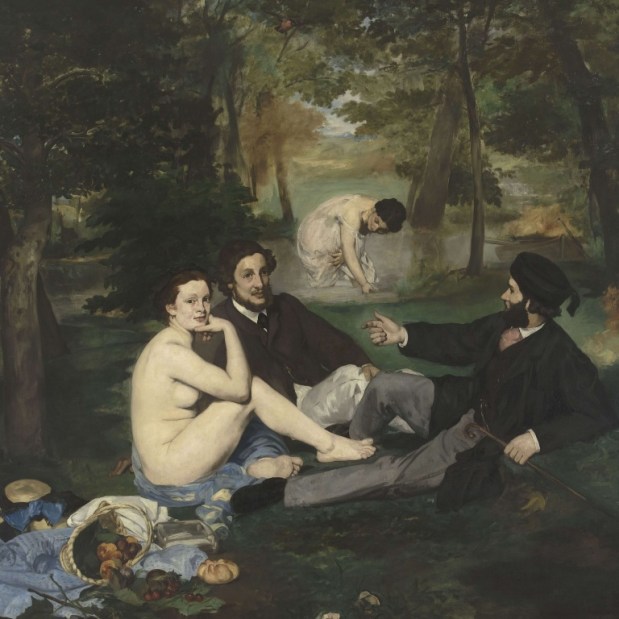
As it happens, one of the most famous French paintings using the trope of the “odalisque” also portrays a quintessentially European setting, green and woody like the chypre structure of Odalisque: Edouard Manet’s “Le Dejeuner sur l’Herbe.” That it refers to the figure of an “odalisque” is indisputable: the female model’s nudity, her pose with her body turned partly away from the viewer but displaying most of her naked body, her direct gaze, and the figure of another woman bathing at a distance, all evoke more traditional images of a concubine in a “Turkish bath” setting. One of the male figures wears an Ottoman-style flat cap with a tassel, reminiscent of a traditional Turkish fez.

Le Dejeuner sur l'Herbe, painting by Edouard Manet, from Musee de l

Le Dejeuner sur l’Herbe, by Edouard Manet; Musee d’Orsay.

I don’t think it is a coincidence that a perfumer as intelligent as Patricia de Nicolai created a fragrance like Odalisque that so readily lends itself to an evocation of one of France’s most famous, treasured masterpieces.

Luca Turin regarded the original Odalisque itself as something of a masterwork. He commented thus about its original formulation:

Odalisque’s superbly judged floral accord of jasmine and iris, both abstract and very stable, allied to a saline note of oakmoss, initially feels delicate, but in use is both sturdy and radiant. It is as if the perfumer had skillfully shaved off material from a classic chypre accord until a marmoreal light shone through it.

What, exactly, is a “marmoreal light”? According to Merriam-Webster, “marmoreal” means “suggestive of marble or a marble statue, especially in coldness or aloofness.” There you have it. I defy anyone to look at Manet’s painting and not see a marmoreal light on the key figure of the naked woman.

By making the muguet the most prominent floral note in Odalisque, Mme. de Nicolai has emphasized the cool, white, marmoreal aspect of the fragrance, but she sets it against a powerful base of oakmoss and musk, just as Manet’s odalisque is highlighted against the dark green, woody background of the setting he chose so deliberately (and radically). Odalisque was reformulated after IFRA imposed new restrictions on the use of oakmoss in fragrance, but I can attest to the continuing power of its oakmoss base.  As much as I love the muguet heart note of Odalisque, ultimately the story it tells is one of oakmoss. I can smell it from the very opening of Odalisque, and it persists for hours, taking its place on the olfactory center stage after about an hour of the fragrance’s progression. On my skin, the oakmoss and musk last for at least 10-12 hours; I’ve applied Odalisque at night and I can still clearly smell those base notes the next morning.

The combination of oakmoss and musk is very sensual without being “sexy”, as Caitlin points out in her blog “This Side of Perfume.” The accord is too classic and elegant to warrant such a trite phrase. Like Manet’s model, this sensual accord is direct without titillating. It simply presents itself, unconcerned. It also lends a retro, vintage feel to Odalisque without making it dowdy. In sum, if you are looking for a classic, French, high-quality perfume that features muguet, this one should be on your list. It differs significantly from the ultimate French muguet fragrance, Diorissimo, and others like Guerlain’s Muguet; it is darker, mossier, woodier. It is also glorious. Have you tried it?

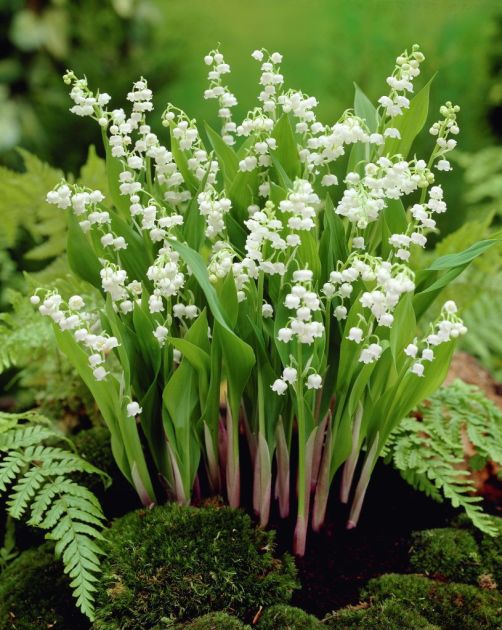
Lilies of the valley, green moss, and ferns in woodland garden

Lilies of the valley in woodland garden; image from Pinterest

May Muguet Marathon: Tocca Liliana Hair Mist

May Muguet Marathon: Tocca Liliana Hair Mist

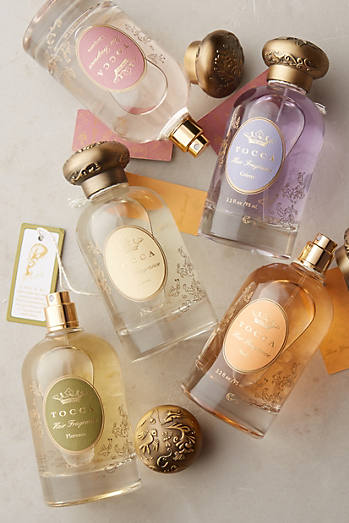
I am quite taken with hair mists these days, though I don’t use them often. The first two I bought came from Tocca: Colette and Liliana. I’ve enjoyed them both; lily of the valley is a prominent note in Liliana, while jasmine is the dominant floral in Colette. When Liliana was launched, it was described thus by the brand:

A lush, green, rolling lawn is the setting for a roaring 20s party in full swing. Liliana conjures a reveler in the bloom of youth dancing the Charleston amidst flowing bottles of champagne and a spirited jazz band. The lowering sun casts a golden sparkle as an intoxicating bouquet of muguet, gardenia and peony wafts from the gardens, filling the night with joie de vivre.

Sounds a lot like “The Great Gatsby”, doesn’t it? The notes for the eau de parfum are listed as: top notes are bergamot, neroli and peach; middle notes are lily-of-the-valley, gardenia and peony; base notes are sandalwood, musk, benzoin and patchouli. The hair mist is a bit different. I think it has less peach, and a more pronounced combination of lily of the valley and peony, with not as much gardenia. The base does have sandalwood and musk, but I don’t smell benzoin or patchouli. The opening starts with a burst of bergamot and neroli, very bright and refreshing, then the fragrance moves quickly into green floral territory. The muguet note is present but not dominant. John Reasinger decribed his impression on CaFleureBon when it first came out:

Liliana, however, is a young carefree girl and this perfume captures her essence. It has a delicate tenacity much like a young girl growing up in that era would. It radiates innocence, but also lively warmth…and just a hint of naughtiness. She is no flapper, yet that is; but she is most certainly eyeing them closely and seeing how much fun they are having.

Given that the hair mist is softer and gentler, less sultry, than the description of the eau de parfum, it doesn’t evoke a jazz age flapper or a roaring 20s party complete with jazz and the Charleston. Perhaps,  like the description above, it is more like the younger Daisy, before she lost Jay Gatsby and Tom Buchanan swept into her life.

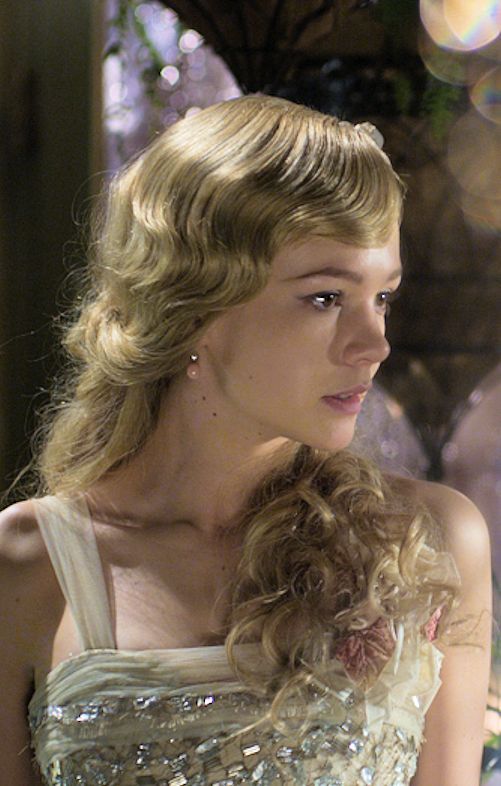
Actress Carey Mulligan as the young Daisy Buchanan in Baz Luhrman's The Great Gatsby, by F. Scott Fitzgerald.

Carey Mulligan as young Daisy; The Great Gatsby (2013).

May Muguet Marathon: Kissing

May Muguet Marathon: Kissing

For the first fragrance review this May, I’ve chosen an oddball: one of the line of less expensive scents from By Kilian, made for Sephora, the “My Kind of Love” collection. Its full name is Kissing Burns 6.4 Calories A Minute. Wanna Work Out?. I’ll refer to it just as Kissing. Here’s what the brand says about it:

“When else can you experience something so sweet and burn calories all at the same time? Kissing is a luscious remix of floral and gourmand notes, it speaks to the most perfect sport for couples with incredible chemistry. Just like a great kiss, as the perfume evolves the emotions get more intense.”—Kilian Hennessy

It is indeed a remix of floral and gourmand notes, starting with a top note of bergamot and moving quickly into a combination of lily of the valley, rose, green notes, hot milk, white sugar, and vanilla. It’s a very odd mix but it has really grown on me. I feel as if I smell the hot milk right away, then the green and floral notes slowly emerge. Honestly, if I hadn’t been told that the notes include lily of the valley, I’m not sure I would have identified that, although I do smell a slightly green floral. As the scent dries down, it becomes less floral and more gourmand, with vanilla and sugar intensifying the note of hot milk.

As anyone knows who has sipped hot milk or added steamed milk to their coffee, heated or steamed milk is noticeably sweeter than regular cold milk. Milk naturally contains sugars like lactose. When it is heated, the more complex sugar, which doesn’t taste as sweet, starts to break down into its simpler components: simpler sugars that taste sweeter to us. It is that sweetness that Kissing has captured, which is why it smells specifically like hot milk to me, not cold milk.

Over time, the vanilla gets stronger, but this fragrance never overpowers. It is soft and warm. Interestingly, Kissing has been identified by some Fragrantica readers as reminding them of a fragrance unicorn: the long-discontinued Le Feu d’Issey, from Issey Miyake. They do have several notes in common: bergamot, rose, milk, and vanilla. Le Feu combines its rose note with a lily note, while Kissing combines rose with lily of the valley. I haven’t tried them side by side, but I do have a few sample vials of Le Feu, so I’ll have to see if I think they are at all similar.

I like Kissing a lot — more than I expected to. I don’t usually gravitate to gourmands, although I do love my White Queen, with its wonderful whipped cream accord. I’m so intrigued by the idea of a “floral gourmand”! Kissing lasts several hours on my skin; by the end, it is mostly a milky vanilla with flowery undertones, almost as if one had floated some fragrant blossoms on top of a frothy cup of steamed milk or a bowl of sweet, steamed milk pudding. Have you tried any of the “My Kind of Love” collection? What did you think?

Green bowl of Chinese steamed milk pudding; yumofchina.

Chinese steamed milk pudding; image from www.yumofchina.com

Happy May Day! May Muguet Marathon 2018: Final Round-Up

Happy May Day! May Muguet Marathon 2018: Final Round-Up

Happy May Day 2019! Every year or so, I do a “May Muguet Marathon”, to celebrate one of my favorite flowers and fragrance notes: lily of the valley, traditionally given on the first of May. Below is last year’s round-up; I’ll start afresh tomorrow! Do you have any favorite muguet fragrances I haven’t yet reviewed? Feel free to make suggestions!

As today is the last day of my self-imposed May Muguet Marathon, I’ll do a brief wrap-up. Some of you who were reading this blog the last time I did this, in 2016, will know that I previously discussed some of the all-time greats among muguet fragrances. I did not repeat most of those, so I list them here with links if any newer reader is interested:

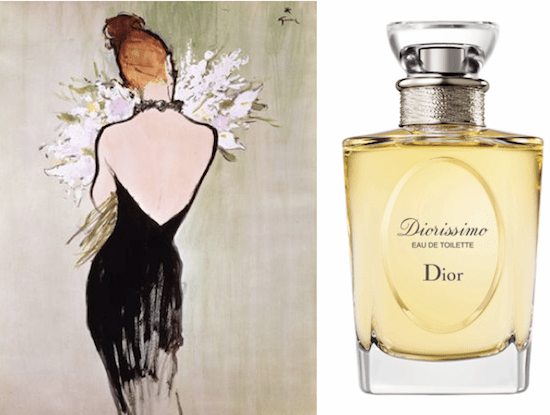
Diorissimo

Vintage ad and current bottle for Diorissimo eau de toilette, by Christian Dior.

Diorissimo, by Christian Dior.

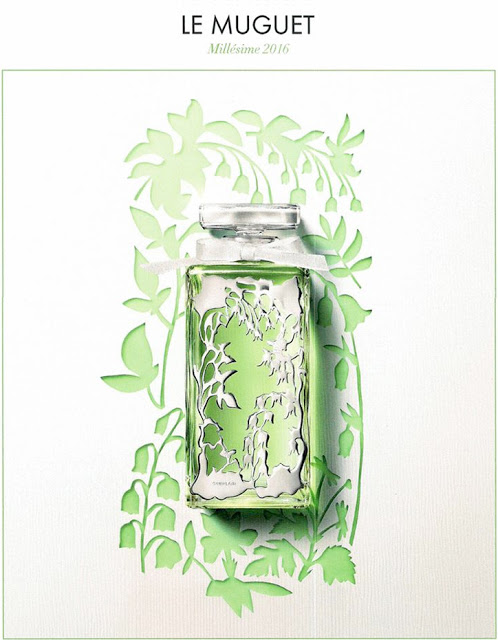
Guerlain Muguet 2016

Bottle of Guerlain Muguet 2016 fragrance

Guerlain Muguet 2016

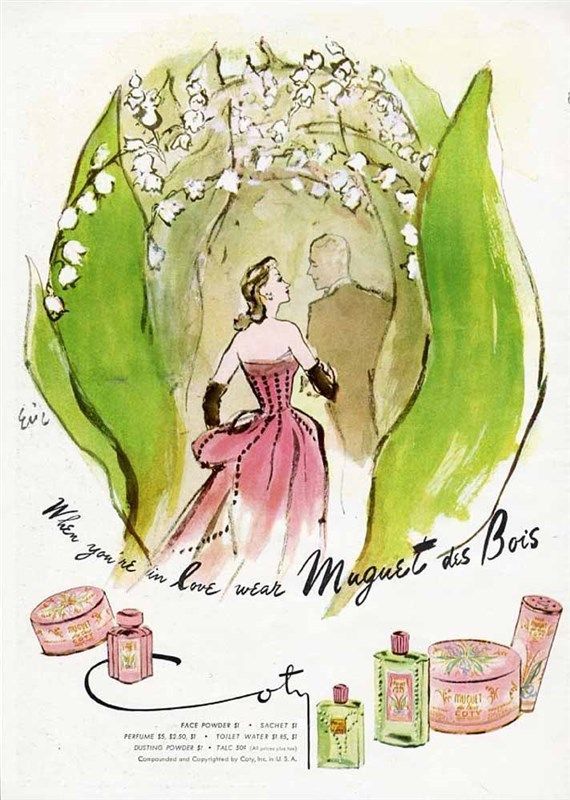
Coty Muguet des Bois

Coty "When You're in Love" ad for Muguet des Bois fragrance, by Eric

Coty “When You’re in Love” ad for Muguet des Bois

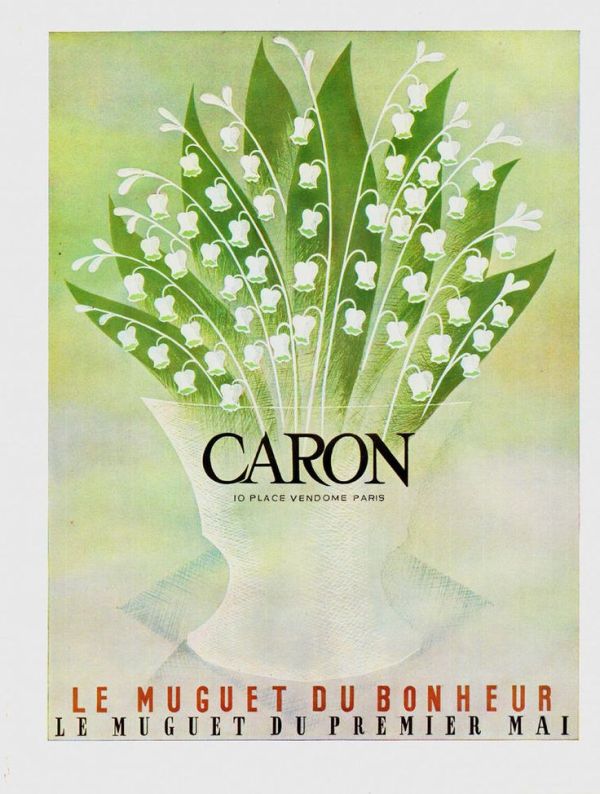
Caron Muguet du Bonheur

1960 advertisement for Caron's Muguet du Bonheur, with green and white lilies of the valley.

1960 advertisement for Caron’s Muguet du Bonheur.

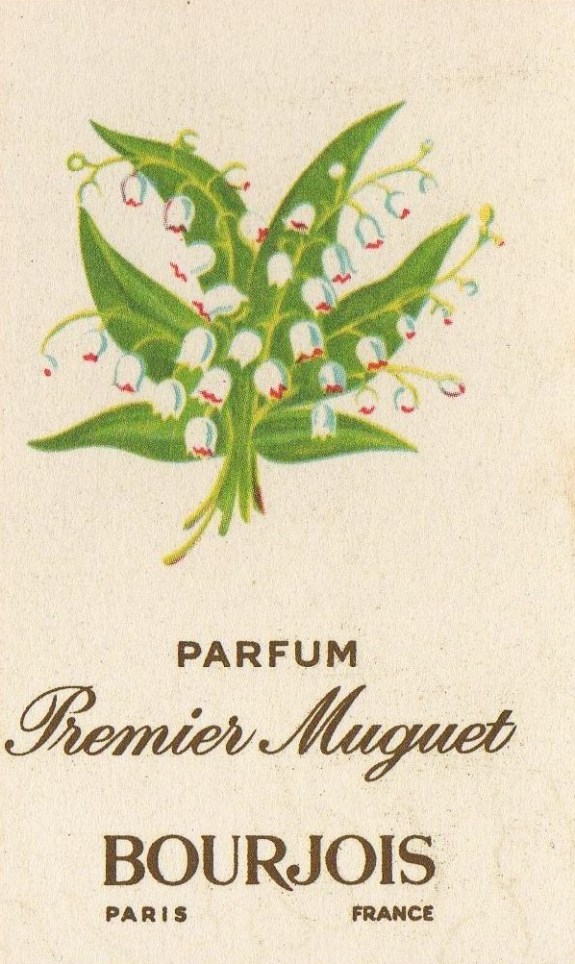
Premier Muguet

Premier Muguet Bourjois

Premier Muguet by Bourjois

and some new classics:

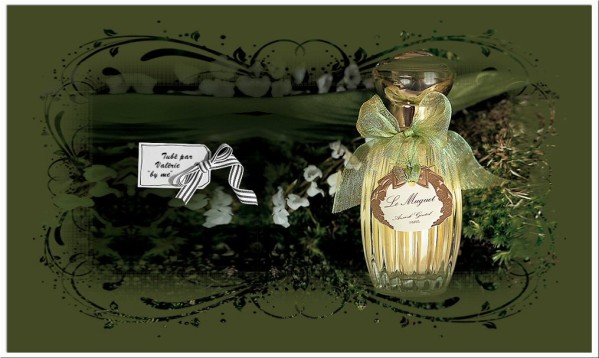
Annick Goutal’s Le Muguet

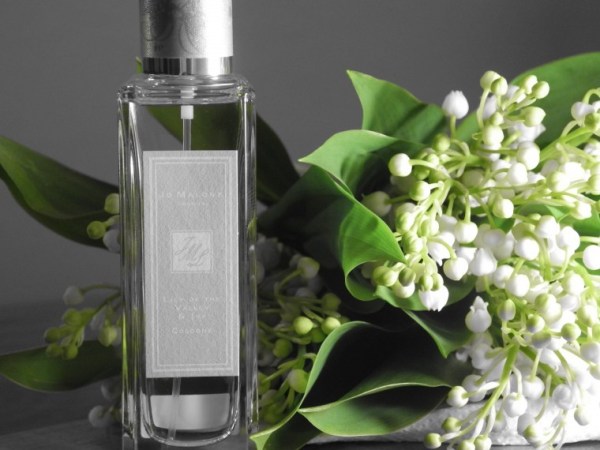
Jo Malone’s Lily of the Valley and Ivy

Jo Malone Lily of the Valley and Ivy fragrance

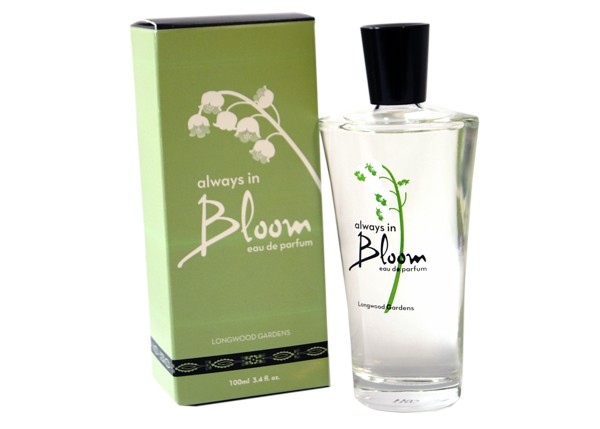
Olivier Polge’s Always in Bloom

Always in Bloom fragrance by Olivier Polge for Longwood Gardens

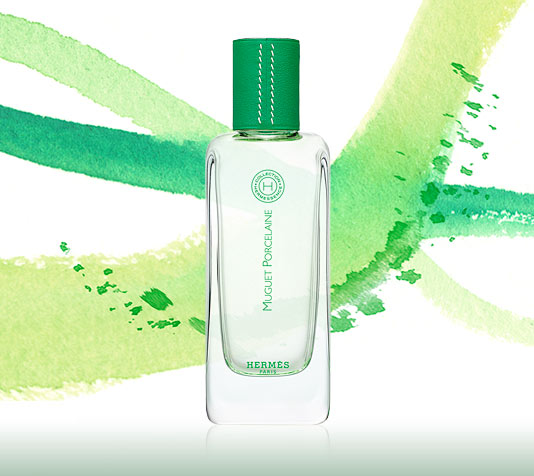
Hermes’ Muguet Porcelaine

Bottle of Hermes' Hermessence fragrance Muguet Porcelaine

Hermes Muguet Porcelaine; source http://www.uk.hermes.com.

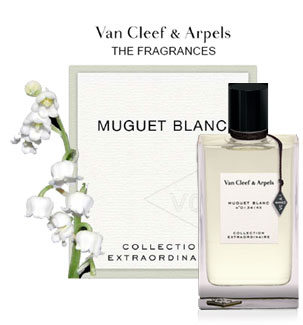
VCA’s Muguet Blanc

VCA Muguet Blanc

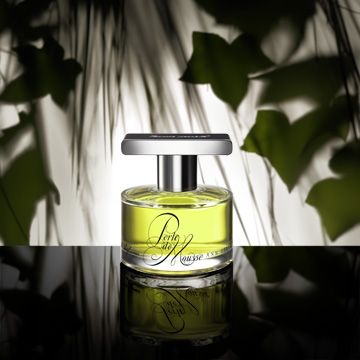
Ann Gerard’s Perle de Mousse

Perle de Mousse eau de parfum; fragrance by Ann Gerard

L.I.L.Y. by Stella McCartney

L.I.L.Y. fragrance based on lily of the valley or muguet, by Stella McCartney

L.I.L.Y. fragrance by Stella McCartney. Photo: http://www.boots.ie

Lily, by Lili Bermuda

Lily fragrance collector gift set from Lili Bermuda

Lily, by Lili Bermuda

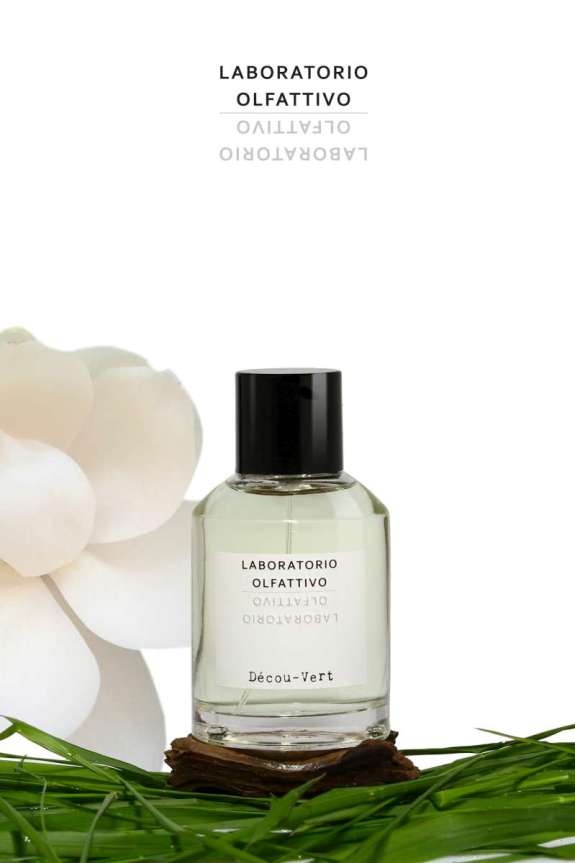
Laboratorio Olfattivo’s Decou-Vert

Bottle of Laboratotio Olfattivoa eau de parfum Decou-Vert

Decou-Vert

Last, if you haven’t overdosed on muguet by now, here are Fragrantica’s picks in 2018:

Best in Show: Lily of the Valley

I hope you’ve enjoyed this trip down Muguet Lane! Thank you for joining me on the journey! If I’ve overlooked some muguet fragrances you’d like to suggest, please mention them in the comments!

Scent Sample Sunday: Tokyo Spring Blossom

Scent Sample Sunday: Tokyo Spring Blossom

When I won a CaFleureBon draw for 4160 Tuesdays’ White Queen, brand founder and perfumer Sarah McCartney kindly included two travel sprays in the package, because UK shipping restrictions meant she could only send me a smaller size of White Queen than originally described. I was delighted, because it gave me the opportunity to try two more 4160 Tuesdays scents! One of them was Tokyo Spring Blossom, which I’ve been wearing off and on all week. It was originally launched in 2011 under the name Urura’s Tokyo Cafe, after a friend of Ms. McCartney’s for whom she first created the fragrance, Urura Shiinoki, owner of the Green Ginger Cafe in Tokyo.

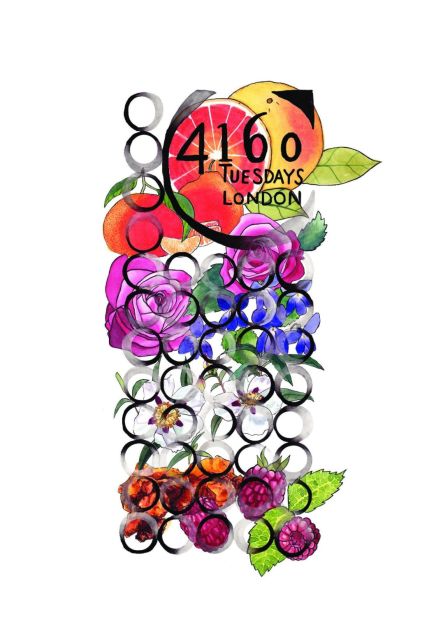
The 4160 Tuesdays website describes it as “the scent of a spring breeze blowing through tree blossom.” Apparently the name Urura can be translated into English as “breeze in the cherry blossoms”, so that inspired the scent, although none of its notes are actually cherry blossoms. The notes are described differently on various websites, and the text on the 4160 Tuesdays site doesn’t seem to list them all, but they appear to be a combination of: a mix of citruses with pink grapefruit, tangerine and mandarin orange; middle notes of violet and rose; base notes of opoponax, Sarah’s favorite raspberry leaf accord, tolu balsam and raspberry. The description of the fragrance’s progression that most closely aligns with my own experience comes from a 2015 review on CaFleureBon, by Susie Baird:

Atop is a sparkling citrus, which feels very bright and airy. Almost as soon as those petals have opened a slightly more aromatic accord appears, herby and green. The perfume is now dappled with shade between the rose bushes. This is most certainly not a rose-centric fragrance though; the floral bouquet is seamlessly woven together with crisp greens and sharp tangerine, creating an image of a flower garden gently swaying in a summer breeze.

From beneath, sweet Myrrh stains the green and pink with umber tones. Here it gives the impression of a great splash of strong green tea, saturating the base of the scent with a resinous solemnity, as if the breeze has momentarily dropped and the sun stepped behind a cloud. It is cooling and pleasant to experience the resin balanced by the green goodness of geranium and rose. It has all the atmospheric depth that incense can bring to a fragrance, without any of the smokiness.

Yes! I think the greenness from the start comes from the raspberry leaf accord, which is listed on Fragrantica as a base note, but I smell it almost from the start, and then it lasts throughout. I smell suggestions of green tea, as described above, more than I smell roses, but I do pick up the violet heart note, which adds to the greenness but also lends a slightly powdery, floral note. Of course, high quality green tea does itself have floral fragrance notes which can vary widely; and green tea is a very traditional Japanese drink.  In fact, to my nose, this stage of Tokyo Spring Blossom smells very much like a specific form of green tea: matcha.

The 4160 Tuesdays website includes one of its pretty graphics to describe this scent:

Eau de parfum Tokyo Spring Blossom or Urura's Tokyo Cafe, by 4160 Tuesdays

Tokyo Spring Blossom, 4160 Tuesdays

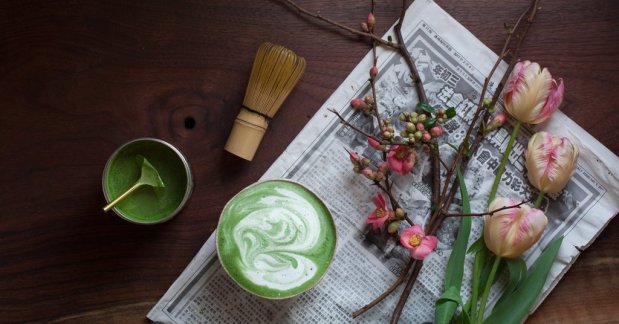
I like this scent very much, though I think I was more delighted by White Queen, which is odd because usually I much prefer floral scents to gourmand scents. Luckily, in life it is possible to combine both the floral and the gourmand. The featured image above comes from the website for a specialty tea merchant called Steven Smith Teamaker, created by and named after the founder of Stash and Tazo tea companies. The company thoughtfully provides its own recipe for a matcha green tea latte, shown in the featured image. Enjoy!

Do you have any favorite fragrances that remind you of tea, whether or not they are named for tea? The Bvlgari Eaux Parfumees au The series comes to mind right away; I have and enjoy three of them (The Vert, The Bleu, The Rouge). Any others?

Steven Smith, Teamaker, matcha green tea latter with spring blossoms

Matcha green tea latte from Steven Smith Teamaker


Scent Sample Sunday: Choeur des Anges

Scent Sample Sunday: Choeur des Anges

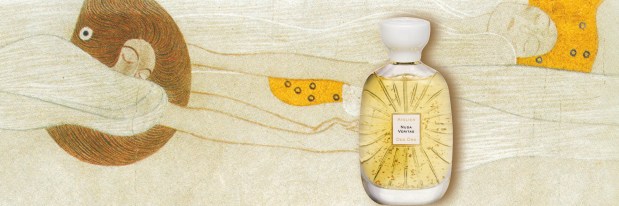
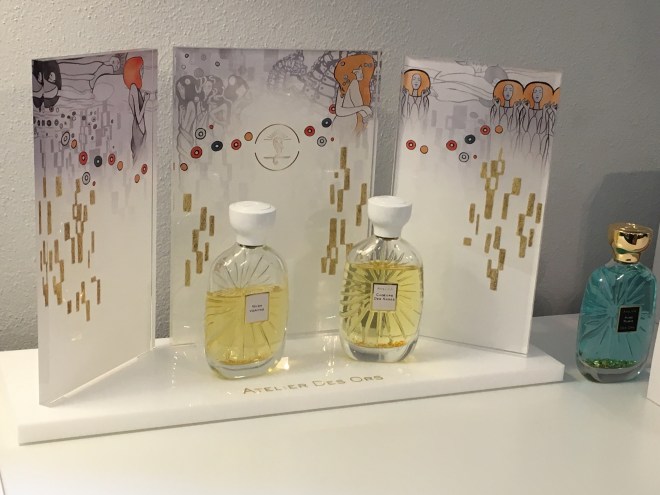
The third fragrance in the triptych of Atelier des Ors’ “White Collection” is Choeur des Anges. Like the other two (Nuda Veritas and Crepuscule des Ames), it is inspired by Gustav Klimt’s “Beethoven Frieze” and was created by perfumer Marie Salamagne, with direction by the house’s founder, Jean-Philippe Clermont. The brand’s description follows:

Choeur des Anges is a poetic celebration of colour, scent and joie de vivre fused with blood orange, carrot seeds, radiant fruits and flowers. A symphonic creation inspired by the harmonious voices of angels. An ambrosia like golden nectar of osmanthus and honey that sings in harmony to the gods. A fragrance that connects to the primal desire for happiness, where salvation is found in lyrical ambered tones. A radiant and joyous experience. A cocooned embrace. A kiss to the whole world.

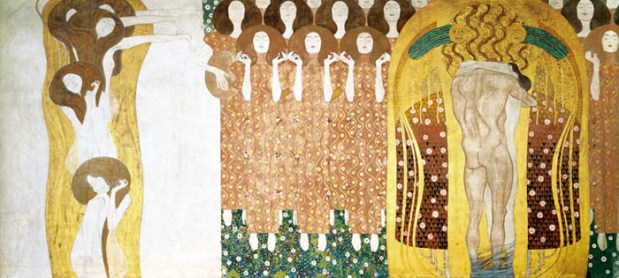
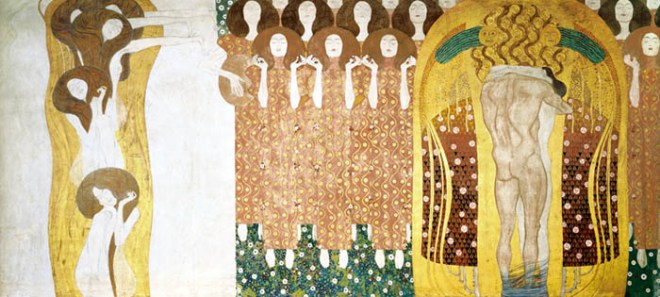
Choeur des Anges means “choir of angels”, and that angelic chorus is vividly shown in the last panel of the frieze that inspired Atelier des Ors’ White Collection.

Gustav Klimt's Beethoven Frieze, with choir of angels and human happiness

Gustav Klimt’s Beethoven Frieze

The golden thread of citrus that links all three fragrances continues in Choeur des Anges, with a gorgeous opening note of sweet blood orange. It is very beautiful — sweet in the way a real, ripe orange is sweet, not cloying or sticky. I’m a sucker for a great opening note, and this is one of the best among recent fragrances. Very quickly, the blackcurrant chimes in with its tangy yet herbal undertones. I don’t really smell the pear that is supposed to be part of the opening, but it is likely part of what softens the edges of the blackcurrant.

The last movement of Beethoven’s Ninth contains its most famous section, the “Ode to Joy” which many of us know well and which continues to inspire modern performances in unexpected places, from this flash mob in Europe to YouTube videos. I have a special warmth toward this piece, because it was adapted for use as a hymn in the 19th century by one of my grandfather’s favorite authors, Henry van Dyke. He is often overlooked today, but many Americans know his short novel “The Other Wise Man”  and this hymn, known by its first line, “Joyful, Joyful, We Adore Thee.” We and our guests sang it at our springtime wedding, in the same chapel where Prof. van Dyke worshipped, one week before Easter. Its first verse is the best known:

Joyful, joyful, we adore Thee,

God of glory, Lord of love;
Hearts unfold like flow’rs before Thee,
Op’ning to the Sun above.
Melt the clouds of sin and sadness,
drive the dark of doubt away.
Giver of immortal gladness,
fill us with the light of day

As with many fragrances, the middle stage of Choeur des Anges is mostly floral, the heart notes of orange flower and osmanthus stealing imperceptibly at first into the citrus opening, then taking center stage like flowers opening to the sun, as described in the hymn. These are sunny, happy flowers, appropriate to evoke the triumphant conclusion of humankind’s quest for joy. I smell the honey base note early; to my nose, it arrives not long after the flowers and lends them a polleny sweetness reminiscent of Easter and spring. The carrot seed note blends a rooty, earthy note into this middle stage, keeping the whole composition grounded, as this panel of the frieze reminds us that human joy is to be found on earth, as symbolized by the last, embracing figures, when love unites with art. Klimt apparently intended to convey that the arts are humankind’s salvation; but I choose to remember that today is Easter Sunday, when Christians celebrate the triumph of love over death, through the resurrection of Jesus, the Lord who took upon himself human form and human suffering on earth, thereby winning salvation for those of us still on earth. Easter Sunday is a day for flowers, celebration, singing, and rejoicing, as in the words of the hymn’s second verse:

All Thy works with joy surround Thee
Earth and heav’n reflect Thy rays;
Stars and angels sing around Thee,
center of unbroken praise.
Field and forest, vale and mountain
Flow’ry meadow, flashing sea,
singing bird and flowing fountain
call us to rejoice in Thee.

The final stage of Choeur des Anges is warm with amber and cedar, while the honey continues  to sweeten the drydown. I can still smell hints of the blood orange. No heavy musk, no spices. The ending of Choeur des Anges is warm, soft and gentle, like the embrace of the golden couple at the end of the Beethoven Frieze. Happiness, at last. Again, in this fragrance, Ms. Salamagne beautifully captures the spirit and symbolism of the masterpieces that inspired the White Collection, like its scent siblings Nuda Veritas and Crepuscule des Ames.

Of all the White Collection, Choeur des Anges is my favorite, though Nuda Veritas is close behind.  On my skin, it has good longevity, though not for longer than about six hours (not surprising, given the important role of citrus in its composition and the softness of its base notes, not to mention my dry skin). I don’t mind reapplying from my sample, because I do love the opening notes of sweet blood orange, and reapplying allows me to enjoy those again.

In honor of Beethoven’s music, Klimt’s artwork, and this lovely fragrance collection, I decided to post this on Easter Sunday, a day on which the “Ode to Joy” and the hymn it inspired are particularly relevant, and I’ll leave you with this image:

Altar and reredos with flowers for Easter Sunday

Easter Sunday

Have you tried any of the White Collection, or other fragrances by Atelier des Ors? Do you love any other fragrances with links to other forms of art, such as music or painting?

Sample kindly offered by Atelier des Ors; opinions my own.

Fragrance Friday: Crepuscule des Ames

Fragrance Friday: Crepuscule des Ames

The second of the three “White Collection” fragrances by Atelier des Ors is Crepuscule des Ames, which means “twilight of the souls.” It represents the second, or center, panel of Gustav Klimt’s “Beethoven Frieze, a masterpiece of the Vienna Secession movement. That panel actually consists of two halves: the more famous one, featured above, and this one:
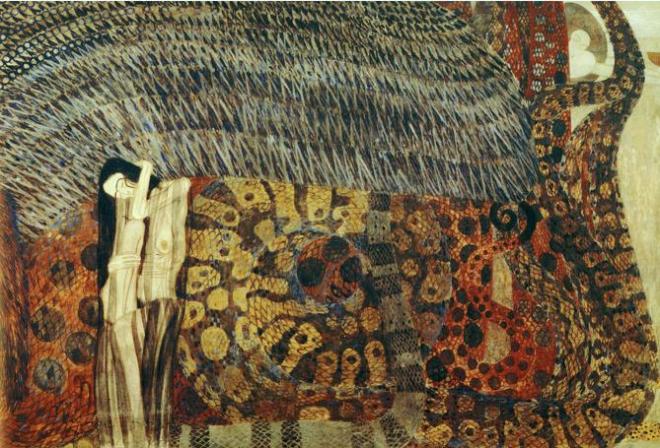
Center panel of Gustav Klimt's Beethoven Frieze, Gnawing Grief

Gustav Klimt, Beethoven Frieze, “Gnawing Grief.”

One description of these center panels notes that they represent the forces that stand in opposition to human happiness:

The giant Typhoeus (the monster with mother-of-pearl eyes extending across the entire front wall with his blue wings and snake-like appendages); his daughters, the three gorgons (the three women standing to the left of Typhoeus). Sickness, madness, death (the mask-like female heads above the gorgon heads). Lasciviousness, wantonness, intemperance (the group of three women to the right of Typhoeus. Intemperance wears a conspicuously ornamented blue skirt with applications of mother-of-pearl, bronze rings, etc.). Gnawing grief (the woman cowering on the right in the picture). The yearnings and desires of humankind fly past them. (Suites Culturelles)
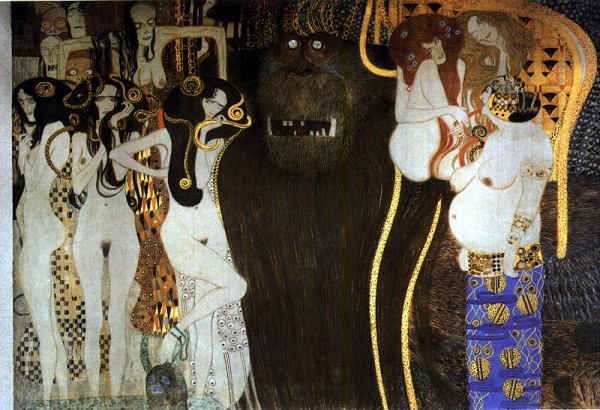
Gustav Klimt's Beethoven Frieze, second panel

Left side of middle section, Gustav Klimt’s Beethoven Frieze.

Perfumer Marie Salamagne and creative director Jean-Philippe Clermont have chosen to represent these hostile forces in a more benevolent light for purposes of fragrance — a wise choice! Here is Atelier des Ors’ own description of Crepuscule des Ames:

Crépuscule Des Âmes is the twilight of the souls and a perfume to enslave the senses with fine spices and a warm golden glow. A second skin to wear in the dusky hours while the souls are at play, when we feel deep desires and the duality inherent in our consciousness. A radiating warmth that speaks to carnal pleasure and desire imbued with the furry warmth of Typhoeus. Incense, patchouli and hyraceum heat the primitive, animalic aura. For moments when we seek the truth, to find a way through temptation. An addictive, empowering fragrance with an element of intrigue.

The opening of Crepuscule is a strong, sweet note of mandarin orange, warmed by the spice of cardamom and the herbal tones of clary sage. The orange note is one of three citrus notes that unite the three fragrances (Nuda Veritas, Crepuscule des Ames, and Choeur des Anges). They are all based on the orange tree (neroli, mandarin, and blood orange with orange blossom) and they connect the three fragrances like a golden thread running through a complex tapestry of scent. In his excellent review for Fragrantica, Sergey Borisov pointed out that in the frieze, this center panel represents the “human sins and passions we have to overcome in order to reach happiness in life,” which is why this scent is designed to evoke the animal side of human nature, portrayed so vividly in the frieze.

As Crepuscule dries down, it becomes more animalic and smokier, with the addition of incense, hyrax, pimento pepper, and patchouli. As described by the brand, these notes are intended to symbolize warmth, carnality, desire, the dark side of the human spirit, the temptations through which we must progress in order to find happiness. The hyrax note is especially interesting. In its natural form, it comes from hyraceum, which is basically crystallized urine of the animal called hyrax. It is used in perfumery as an animalic substance whose collection does not harm any animals, but which “gives an animalistic, sensual and deep note that feels like a combination of musk, civet, castoreum, tobacco and agarwood.” Hyraceum also contains pheromones, complex airborne scent molecules, generated by animals, that are thought to cause behavioral responses in others of their species, including sexual response.

My nose can definitely sense the animalic undertones of Crepuscule, though I wouldn’t have known it came from hyraceum without guidance from a list of notes. I believe it is this complex note that makes Crepuscule feel to me more like a masculine-leaning fragrance than Nuda Veritas, although they and Choeur des Anges are all presented as unisex fragrances. Its use here is very clever (all of Ms. Salamagne’s creations for Atelier des Ors are designed with high intelligence and layers of meaning), especially combined with incense and hyssop.

Why those two notes in particular? Incense is most famously used in Western cultures as part of Christian religious worship, especially in the more ancient rites of the Roman Catholic church. To many lovers of fragrance, incense will immediately evoke memories of church rituals and ancient places of worship: the very passages through which, in the Christian faith, sinners must pass in order to withstand temptation and progress to the ultimate spiritual joy and salvation. I chose deliberately to write about Crepuscule today, which is Good Friday, the day on which Christians believe that Jesus allowed himself to be sacrificed by the darker impulses of humanity in order to win all of humankind our salvation, because I think the symbolism of Klimt’s frieze — and thus this scent — lends itself to such an analogy. Even the female figure of “Gnawing Grief” recalls so many artworks that show the agony of Mary, mother of Jesus, at the Crucifixion.

Hyssop also has religious significance. It is an aromatic herb used ritually “in the Catholic ceremonies where the priest puts the hyssop into the ceremonial aspergillum, which he dips into a bowl of holy water” and uses to sprinkle the mixture onto congregants as a blessing. But there is more to hyssop than this benign use — according to Fragrantica, it is also used to make the liqueur Chartreuse (after which the shade of green is named) and to color the famous spirit “absinthe”, widely used and also widely criticized in the 19th century as the notorious “green fairy” that “makes a ferocious beast of man, a martyr of woman, and a degenerate of the infant,” according to one writer. And there, right in the  Beethoven Frieze’s center panel, is a “ferocious beast”, Typhoeus. In this perfume, hyssop may stand for the “duality” the brand means to evoke: dark and light, sinful and blessed, together.

In its final phase, Crepuscule lingers on the skin with the incense most dominant to my nose, followed by patchouli. It lasts for several hours even on my dry skin. At this stage, the hyrax is less noticeable as “animalic” but acts more as a fixative base that still lends warmth. After all, even when we succumb to temptation but struggle to resist sin, we are still human!

Like the others in the triptych, Crepuscule des Ames is an intelligent work of perfume art, with many possible meanings, interpretations, and effects unique to the individual who wears it. It does indeed grow on one, although I don’t find it as addictive as the brand’s copy suggests. I have a feeling this is another scent that I would like very much on my husband, although it is clearly suitable for women to wear also. I am enjoying wearing it and thinking about it even as I look forward to the triumph of Easter and the last of the White Collection, Choeur des Anges.

Sample kindly offered by Atelier des Ors; opinions my own.


Scent Sample Sunday: Nuda Veritas

Scent Sample Sunday: Nuda Veritas

One year ago today, Cafleurebon published this announcement of Atelier des Ors’ new releases: the White Collection, and Bois Sikar, which I have previously reviewed. The White Collection consists of three linked fragrances based on Gustav Klimt’s “Beethoven Frieze”, which itself was inspired by Beethoven’s Ninth Symphony. Like all the Atelier des Ors fragrances, the perfumer who created them is Marie Salamagne.

I was lucky enough to visit the office of Atelier des Ors in Cannes this past January, thanks to an invitation from Megan of the blog Megan in Sainte Maxime. I met her for the first time in person, and I also met Jean-Philippe Clermont, creative director and founder of the brand, and was introduced to some of Atelier des Ors’ beautiful scents.

M. Clermont has himself written about finding his inspiration for his White Collection in Klimt’s masterpiece. Like the frieze, the three scents are meant to evoke the human spiritual quest for joy and its stages, as Sergey Borisov described so well in the piece he wrote about the collection for Fragrantica. Miguel Matos also wrote an excellent review of the White Collection for Fragrantica, here.

Nuda Veritas represents the first stage of that journey. Its top notes are bergamot, an aquatic scent molecule called Transluzone, and neroli. Heart notes are osmanthus, Jasmine Sambac, Chinese jasmine, and tiare flower. Base notes are patchouli, marigold, the scent molecules Ambroxan and Helvetolide, and moss.

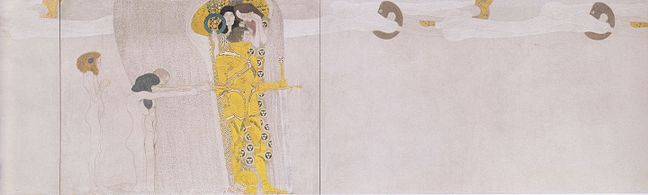
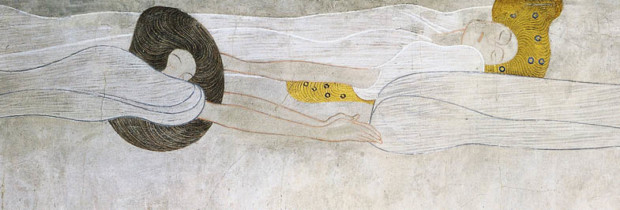
The impression Nuda Veritas gives is that of shimmering, early dawn light, at the break of day when the dew still refreshes the landscape. It evokes the hopes of humankind, as does the first panel of the Beethoven Frieze, whose figures symbolize humanity pleading for rescue by a knight who represents strength. Behind him are female figures symbolizing Compassion and Ambition, the two motives that might inspire such a knight to take up arms in defense of others. Above them all float female “Genii”, celestial spirits who are searching, seeking, as hope looks ahead, seeking for a happier destiny, portrayed in shades of white and gold.

Panel, Gustav Klimt's Vienna Secession Beethoven Frieze

First panel, Gustav Klimt’s “Beethoven Frieze”.

Detail of panel of Gustav Klimt's Beethoven frieze, female Genii

Detail of panel, Beethoven Frieze by Gustav Klimt

Of all the figures on this panel, Nuda Veritas most clearly evokes these female Genii, with its floating, shimmering, golden tones. It opens with a clear citrus note from bergamot, coupled with the aquatic notes and the brightness of neroli. The opening is very lovely, reminiscent of dawn light over a tranquil sea, horizon glimmering in the distance. It moves gently into the jasmine heart notes, partnered with osmanthus and tiare. Although these are all white flowers, they are used here with a subtle touch; there is no “BWF” explosion or dominance. Just as dawn’s golden light slowly shifts to a whiter daylight, so Nuda Veritas’ tone shifts from the clarity of its citrusy aquatic opening to a whiter, slightly creamier, more floral heart phase.

As it dries down, Nuda Veritas fades away, leaving earthy, herbal notes of patchouli, marigold, and moss, warmed by the smooth and slightly fruity musk of Helvetolide, and the depth of Ambroxan. I love the marigold, or tagetes, note in the base, as I enjoy both the flowers and their scent in real life; they smell like a mix of floral, aromatic, and slightly musky green, which works well in Nuda Veritas. I can’t describe the Ambroxan note any better than The Candy Perfume Boy, did here:

I perceive it as a very silky, silvery material. It’s immediately evocative of the ocean but in a purely mineral way – it doesn’t posses an aquatic character, but one does get the impression of salt and wet stones. There’s also a sweetness to Ambroxan – a transparent, glittering and crystalline feel, as well as a soft, skin-like woodiness. It’s a fascinating, multi-faceted material that can be pulled in many directions, but it’s also tremendously diffusive, adding an expanse to fragrances, creating space, in which beautiful nuances can dance.

One thing I find interesting about his description is how well it also describes part of the overall artistic purpose of the White Collection, which is to “pay homage to the white space; the page, canvas, or an idea before its conception, at the point of materialising.” The use of Ambroxan in Nuda Veritas does add “white space” to the fragrance, in which its many nuances dance. This also recalls a key aspect of Japanese aesthetics, in which the space between objects or lines, or “ma“, is as important as the lines or objects themselves. Klimt is known to have been much influenced by Japanese art and methods, so here again are a lovely connection and consistency between the art that inspired these scents and their composition. (In fact, one of Klimt’s most famous and controversial paintings is called “Nuda Veritas”, or “Naked Truth”, and its composition is also consistent with its namesake perfume).

The entire triptych of scents in the White Collection offers layer after layer of hidden meanings, using perfume as the evocative art to express them. Like Bois SikarNuda Veritas is a highly intelligent work of perfume art. Marie Salamagne’s brilliant creation evokes dawn, morning, and springtime, all symbolic of hope and new awakenings. For me, it is a scent that perfectly suits Palm Sunday, which Christians around the world celebrate today. Palm Sunday traditionally celebrates the triumphal entry of Jesus into Jerusalem and marks the start of Holy Week. As we know, the joy of that day will soon give way to Judas’ betrayal and the cross at Golgotha. But on that first Palm Sunday, the people who were present believed that their Savior had come, in response to the pleas of suffering humanity, and hope was in the air.

Sample kindly offered by Atelier des Ors, independent opinion my own.

Thunking Thursday: Foundation

Today I am thunking a bottle of foundation, not fragrance. This is a rare event, because I tend to change my mind often about the foundation I use, rarely satisfied with any and always ready to switch! I didn’t adore this one, but it worked fine and I was determined to actually finish it, instead of letting it join the club of half-used bottles in a cupboard. (To be fair, some of the half-used bottles are because I use some simultaneously; my schedule is so hectic that I often have one in the bathroom, one in the car, and one in my office).

Thunk! Maybe I’ll treat myself to a higher-end foundation with help from an actual makeup person, instead of my usual drugstore cosmetics. Any suggestions? What did you thunk this week?