Scent Sample Sunday: Like This

Scent Sample Sunday: Like This

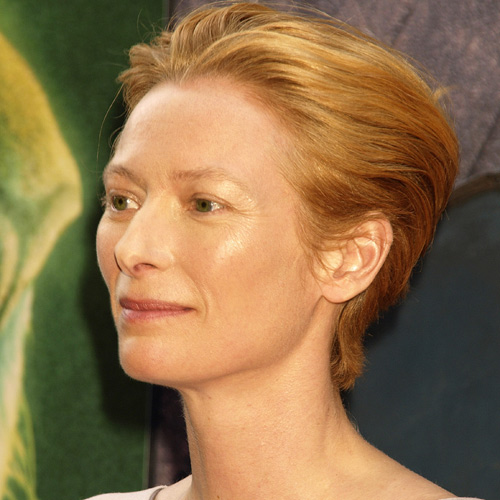
Lately, I’ve been really enjoying Etat Libre d’Orange’s Like This, the scent created by perfumer Mathilde Bijaoui in collaboration with actress Tilda Swinton, in 2010. It must still sell well, as it still has its own page on the ELDO website. It isn’t necessarily a fragrance I would have associated with Ms. Swinton, a brilliant actress who is known for playing eccentric, complicated characters and for her striking, almost androgynous looks. ELDO’s website calls it ” cozy, skin-hugging sweetness nestled with soft florals and unique, orange citrus notes.” Here is the longer description from ELDO, which sound as if it was written by Tilda:

I have never been a one for scents in bottles.

The great Sufi poet Rumi wrote:

“If anyone wants to know what “spirit” is, or what “God’s fragrance” means, lean your head toward him or her. Keep your face there close.

Like this.”

This is possibly my favorite poem of all time. It restores me like the smoke/rain/gingerbread/greenhouse my scent sense is fed by. It is a poem about simplicity, about human-scaled miracles. About trust. About home. In my fantasy there is a lost chapter of Alice in Wonderland – after the drink saying Drink Me, after the cake pleading Eat Me – where the adventuring, alien Alice, way down the rabbit hole, far from the familiar and maybe somewhat homesick – comes upon a modest glass with a ginger stem reaching down into a pale golden scent that humbly suggests: Like This

Smoke/rain/gingerbread/greenhouse. Yes, Like This evokes all of those.  The listed notes are ginger, pumpkin, tangerine, immortal flower, Moroccan neroli, rose, spicy notes, vetiver, woody notes, musk, heliotrope. When I first spray it, the opening is pleasantly tangy with ginger and tangerine — lightly spicy and citrusy, not sweet. If this ginger is gingerbread, it is not the sugary kind — it’s more like a ginger snap (one of my favorite cookies). The combination of tangerine notes and neroli reminds me of a very particular kind of greenhouse: an orangery, a glass enclosure where Europeans in cooler climates could grow trees in huge pots, that produced prized citrus fruits like oranges and lemons. At “Now Smell This“, reviewer Angela wrote:

I imagine Bijaoui looking at the Etat Libre brief, trying to come up with some common theme between the redheaded Swinton and Rumi and hitting on Orange. Orange hair, the orange of the sun, saffron monastic robes, fading day. Then, with this visual inspiration she found a way to connect orange scents: pumpkin, neroli, mandarin, immortelle, and ginger. The crazy thing is, it works.

I’ve read elsewhere that Ms. Swinton had just dyed her hair orange for her role in the movie “I Am Love” when the fragrance collaboration began, and may have actually requested the references to orange. How fascinating the creative process is! Like This is warm and beautiful, like the image of Swinton’s character in that movie, Emma, the midlife spouse of a rich Italian aristocrat, who falls in love with a much younger man.
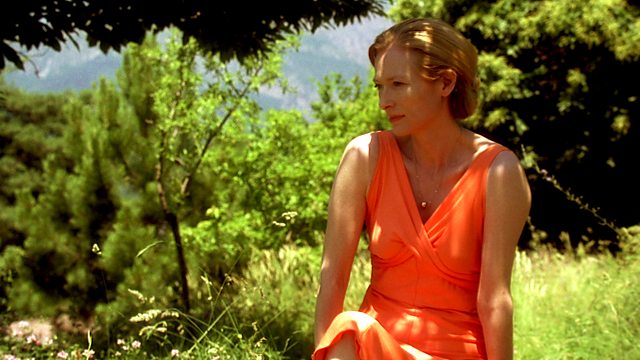
Tilda Swinton in I Am Love

Tilda Swinton in “I Am Love”, 2010.

Given the powerful roles Ms. Swinton has played in the movies about Narnia and the Avengers, coziness, warmth, and home might not come immediately to mind in relation to her, but a cozy scent is what she asked ELDO to create:

My favourite smells are the smells of home, the experience of the reliable recognisable after the exotic adventure: the regular – natural – turn of the seasons, simplicity and softness after the duck and dive of definition in the wide, wide world.

When Mathilde Bijaoui first asked me what my own favourite scent in a bottle might contain, I described a magic potion that I could carry with me wherever I went that would hold for me the fragrance – the spirit – of home. The warm ginger of new baking on a wood table, the immortelle of a fresh spring afternoon, the lazy sunshine of my grandfather’s summer greenhouse, woodsmoke and the whisky peat of the Scottish Highlands after rain.

The floral notes take over from the citrus, but the ginger continues like a glowing thread through the composition, and the floral notes are well-balanced with spices, woody notes, vetiver, all of which keep the fragrance dry and vivid. This would smell lovely on either men or women, it is truly unisex.

Kafkaesque reviewed Like This when it was released and concluded it is “definitely intriguing and it also really grows on you!”, although she didn’t see herself buying a full bottle. Her review includes more details about the creative process behind the fragrance. Victoria at “Bois de Jasmin” gave it four stars out of five; she found it darker and smokier than I do, calling it “a strange and unconventional blend … a cross between the woody richness of Serge Lutens Douce Amère and the smoldering darkness of Donna Karan Chaos, with plenty of its own surprising elements.”

I agree with Kafkaesque that Like This is intriguing and that it grows on you. I hadn’t really planned to wear it three days in a row this week, but I did, and I enjoyed it every time. It lasts well on my skin, enough that I can spray it on in the evening and still smell its warm base notes on my wrist the next morning. It is the kind of fragrance that other people won’t recognize but most will find very pleasing, especially up close.

Have you been pleasantly surprised by a fragrance that wasn’t what you expected in one way or another?
Saturday Snippet: A Fragrant Feast

Saturday Snippet: A Fragrant Feast

Old Herbaceous's avatarOld Herbaceous

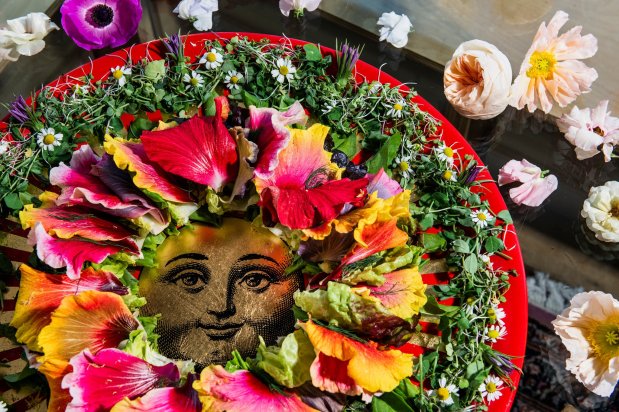
Doesn’t this look and sound delicious? It is a fragrant salad devised by perfumer Ezra Woods, whose brand is “Regime des Fleurs.” The recipe is in this article from the NY Times’ “T” Magazine: A  Perfumer’s Fragrant Flower Salad.

Flower-based salad and recipe by perfumer Ezra Woods. Fragrant flower salad; images from http://www.nytimes.com, by Julia Stotz.

View original post

May Muguet Marathon: California Perfume Company

May Muguet Marathon: California Perfume Company

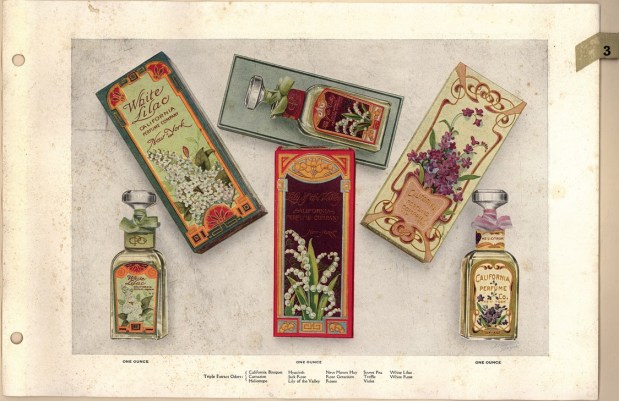
A nice little oddity in my collection of lily of the valley fragrances is a NIB bottle of “Lily of the Valley” by the California Perfume Company — predecessor of a favorite brand of Sam’s (of the blog “I Scent You a Day“), Avon. The California Perfume Company’s first five fragrances, in 1886, were all florals: Heliotrope, Hyacinth, Lily of the Valley, Violet, and White Rose. The bottle I have is a reissue by Avon, in a vintage-looking apothecary-style square bottle with a round glass stopper. Under the name on the label, in tiny type, are dates: “1886-1999.” So I believe this must have been a special edition reissued in 1999, but I can’t say for sure. There is an entire community of collectors dedicated to the original products of the California Perfume Company; I must say that the true vintage bottles and packaging are very charming, and the history of the company, the pioneer of direct selling by a female sales force, is fascinating.

The fragrance itself is very pretty but short-lived. I opened it to write this post, and the ball stopper popped open when released, so a bit spilled on my hand. It was more than I would usually dab from a bottle, so I got a good dose of it! It’s a very clean, light green muguet, but not soapy to my nose. Unfortunately, it is fading away rapidly as I write, but since it was quite a bargain, and still available for a low price on eBay, this isn’t tragic. It doesn’t seem to have any real base notes — what you get is basically top notes of lily of the valley, fading into more lily of the valley before fading away completely.  It is quite true to the flower, I think, with an almost lemony facet.

Have you tried any fragrances by the California Perfume Company? Have you seen any of their vintage products?

May Muguet Marathon: Chanel Paris-Biarritz

May Muguet Marathon: Chanel Paris-Biarritz

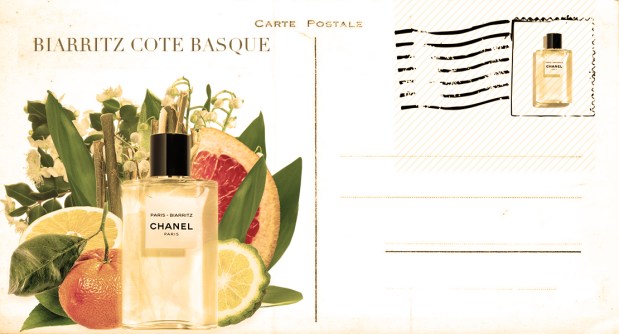
Last summer (2018), Chanel launched “Les Eaux de Chanel”, three eaux de toilette named after three destinations to which Chanel herself traveled from Paris. The destinations are Biarritz, Venise, and Deauville. Created by Olivier Polge, Chanel’s in-house perfumer, each of these fragrances opens with a strong medley of citrus notes. They are intended to be very fresh and lively, and so they are.

Paris-Biarritz is a tribute to the seaside resort in the southwest Basque region of France, which became fashionable during the time of Empress Eugenie and Napoleon III, who built a grand summer home there. Chanel opened her first true “salon de couture” here, in 1915, during World War I when many wealthy people sought refuge and distance from the war. The international clientele of Biarritz allowed her to earn enough that she became financially independent, and the town is thus integral to the history of her fashion house. Perfumer Olivier Polge describes the intent behind Les Eaux:

“This is a new sort of collection of perfumes, we call them Les Eaux because they’re fresh, fluid, sparkling. My source of inspiration came from Eau de cologne, those combinations of fresh citrus oils,” says Polge. Each scent was inspired and named after a destination vitally important to Coco Chanel’s life: Venice, Biarritz, and the beach town Deauville where she opened her very first boutique in 1913. “The three cities are really important in the history of Chanel. They became a part of our identity and source of inspiration,” he says.

The story of Coco Chanel in Biarritz is best told by Chanel itself, in this short film:

Like its siblings, Paris-Biarritz opens with a burst of citruses, in this case orange, lemon, bergamot, grapefruit, and tangerine. The combination is very appealing; there is sweetness from the orange and tangerine, tartness from the lemon and grapefruit, and some greenness from the bergamot. It takes a while for any heart notes to show up, and the first one I perceive is the neroli, which seems fitting since it is the source of orange blossom absolute. The bergamot lingers the longest of all those citrus top notes, which leads nicely into the greener heart of the fragrance. The words used by Chanel to describe this fragrance include “exceptionally fresh”, “dynamic”, “vivacious”, and I would agree.

As the citruses settle down, the neroli shows up, then lily of the valley and unspecified green notes. This heart phase is floral, but lightly so. Given that both lily of the valley and neroli give off citrusy and green aromas, and bergamot is a very “green” citrus to my nose, the greenness of the middle stage works well and quite smoothly. I think the neroli takes precedence over the lily of the valley, however. The citrus notes last longer than I might have expected, which I appreciate. This is a truly unisex fragrance, very reminiscent of summer colognes but longer lasting.

That doesn’t mean it has great longevity, though, because it doesn’t. Not bad for a citrus-focused fragrance, but after just a few hours, it is gone. The base notes are, to my nose, skin scents, and I can’t even say that I smell any patchouli, just a lingering light note of white musk. Some will enjoy reapplying it often to enjoy the beautiful citrus top notes. If you are seeking a a true lily of the valley fragrance, this isn’t it, but it is very appealing.

Have you tried any of “Les Eaux de Chanel”? Did you like any?

May Muguet Marathon: Something Blue

May Muguet Marathon: Something Blue

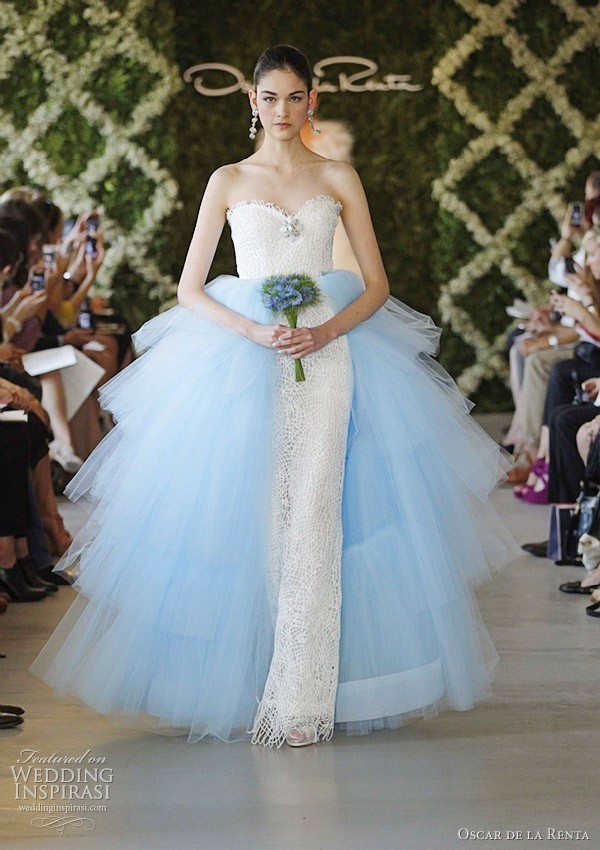
Although I really enjoy niche perfumes, and some pricey lines like Hermes, Chanel, Penhaligons, Jo Malone, etc., it’s wonderful to find and be able to recommend an affordable but pleasing fragrance — a bargain beauty, if you will. Oscar de la Renta’s Something Blue is one such beauty. It is readily available at discount stores and online for less than $20 for 100 ml, sometimes in a set with body lotion. Its name comes from the tradition of a bride wearing “something old, something new; something borrowed, something blue” on her wedding day, for good luck. The fragrance is meant to suggest exactly that: a sunny day smiling down on a beautiful young woman dressed in white.

Ad and bottle for Something Blue fragrance by Oscar de la Renta, with model in wedding dress

Oscar de la Renta’s Something Blue; image from http://www.oscardelarenta.com

The bottle, by the way, is very pretty and appealing. It has a nice weight in the hand, and the blue marblized cap is a delicate shade of sky blue with wisps of white across it like light clouds. The silver band around the neck, with the designer’s name, is meant to look like a wedding band, and it’s a nice touch. Something Blue was launched in 2013, the year before M. de la Renta died, and there are some delightful photos of him at its launch party:

Oscar+de+la+Renta+Something+Blue+Launches+z8vbBq8rPbEl

Designer Oscar de la Renta with his new fragrance

What does it smell like? The opening is based on notes of linden blossom, neroli, bergamot and mandarin. The mandarin offers sweetness, while the bergamot adds some tart greenness; this young lady is tender but spirited. Linden blossom and neroli evoke sunshine and summertime; not summertime at the beach, but a summertime garden wedding. More floral notes arrive, including lily of the valley (a traditional wedding bouquet flower), stephanotis (another bouquet favorite), and narcissus, with a touch of litchi to keep things sweet.  Of those notes, lily of the valley is most prominent, but this is not a muguet soliflore. The linden blossom continues to waft through the heart stage of the fragrance, and there is a nice balance between those two flowers.

The few fruity notes here are very well deployed to lift and sweeten the fragrance without being too sugary. The citruses provide the airiness and sunshine at the start to set the overall impression, while the litchi keeps the heart stage more sweet and less green than it might otherwise have been. I wouldn’t call this a “fruity floral”, it is mostly a light floral, but the fruit notes are important supporting players in Something Blue; they have been used masterfully, which is no surprise since the perfumers who created it were Ann Gottlieb and Frank Voelkl of Firmenich. There is no sense of “white flower” bomb, despite the presence of stephanotis and narcissus.

The final stage includes base notes of musk, vanilla, ambrette seed, ambergris and cashmere wood (which I assume means Cashmeran, especially as that base note seems to outlast the others after several hours). It is soft and warm, like glowing skin or the late afternoon’s golden sun. Here is the clever part: the progression of Something Blue emulates the unfolding of a summer garden wedding. The sunny, summery opening notes set the stage: the garden. The entrance of the lily of the valley and stephanotis notes evokes the entrance of the bride, bearing her bouquet of pure, white, virginal flowers. The gradual drydown to the warm golden notes of the base gives the impression of a late afternoon in the same garden, after the vows have been spoken, the ceremony performed, the refreshments had, the dances danced, the bride and groom departed for their honeymoon. Perhaps this is the hour when the few family members lingering can take a peaceful stroll through the garden, having said goodbye to their guests — it isn’t yet sunset, but the slanting rays of golden sun tell us that the day’s festivities are happily concluded, and it is time for quiet.

I have given a bottle of Something Blue to a young friend as one of her gifts at her bridal shower. She later told me that she did indeed wear it on her wedding day, and she likes it so much that she’s on her second or third bottle! A beauty indeed — both bride and fragrance.

Have you tried any of the many fragrances from Oscar de la Renta? What did you think?  I also like another fragrance from his house that features lily of the valley: Live in Love. Do you have any favorites from his brand?


May Muguet Marathon: White Suede

May Muguet Marathon: White Suede

I encountered Tom Ford’s White Suede quite early in my perfume journey, when I was searching for other lily of the valley fragrances because I had been so disappointed in the current eau de parfum formulation of Diorissimo (I have since learned that the EDP is an entirely new creation by Francois Demachy, and the EDT is closer to what I remember). White Suede‘s notes are listed as: rose, saffron, thyme, mate tea, olibanum, lily-of-the-valley, amber, suede and sandalwood. Fragrantica’s readers list lily of the valley among the top three strongest notes, so I had to try it. Shout-out here to a lovely sales associate at Neiman Marcus, who patiently showed me a number of LOTV fragrances and gave me a generous sample of White Suede. I have found that the two department stores that are unfailingly helpful with samples are Neiman Marcus and Nordstrom. When I buy fragrance from a general retailer as opposed to online, or at a specialty boutique, it’s usually at one of those stores.

White Suede jumps right out with a strong but soft suede note. I don’t smell thyme at all, which is supposed to be one of the top notes, but I do smell a hint of the tea note that is also supposed to be part of the opening. But White Suede was never meant to be primarily herbal or floral: it was part of the “White Musk Collection”, more focused on a lighter, cleaner musk than Tom Ford’s earlier scents. And yes, musk moves to center stage pretty quickly in the fragrance’s progression on my skin.

As that happens, a green undertone also emerges, which I think is meant to be the lily of the valley, but I doubt I would identify it as such if I weren’t looking for it.  That’s not to say I dislike White Suede; actually, I like it quite a bit. I tried amping it up by layering it with a more strongly muguet-centric fragrance, Woods of Windsor’s soliflore Lily of the Valley, which was quite nice; they played well together. I think the reason White Suede doesn’t hit my nose as “lily of the valley” on its own is that traditionally (and in real life), muguet has a lemony aspect to it, and that is completely absent from White Suede. Muguet can also have a soapy tone to it (or maybe we associate soap with muguet because that fragrance note is so widely used in soap and bath products). Since clean white musks also have a certain soapiness, which many of us smell as akin to laundry, there’s a relationship there which White Suede seems to exploit.

White Suede is definitely a unisex fragrance, and it’s quite nice. It is also quite expensive, and I wouldn’t characterize it as a “muguet” fragrance despite the impressions of Fragrantica readers, so if your heart is set on a true lily of the valley scent, there are better and cheaper options, including some high-end choices from Dior, Hermes, and other luxury houses. It does have enough kinship with lily of the valley to layer nicely with a more traditional muguet floral, so if you like suede, musk, and muguet, give that a try and let us know what you think!

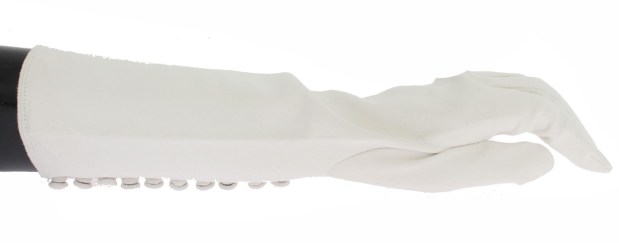
Featured image: Dolce & Gabbana white suede gloves

May Muguet Marathon: Vogue 125

May Muguet Marathon: Vogue 125

In 2017, the fashion magazine Vogue celebrated its 125th anniversary of continuous publication. It began as a weekly paper chronicling the doings and fashions of New York City’s upper-crust society; after Mr. Conde Montrose Nast bought it in 1905, he turned it into a women’s magazine with even more of a focus on fashion. Conde Nast pioneered the industry of women’s magazines and introduced many innovations, such as using color photography for magazine covers instead of illustrations. When I was much younger, I read Vogue pretty regularly; I came for the gorgeous photography and cutting edge styles, and often stayed for its long, interesting articles on all kinds of subjects. I always loved the gigantic September issue, twice the size of the usual magazine, with all the new fashions.

To mark this anniversary, Vogue editors decided to create, for the first time, a Vogue fragrance. They teamed up with an avant-garde fashion house the magazine had championed, Comme des Garcons, as the press release proclaimed:

Vogue’s first perfume, created with Comme des Garçons in celebration of the magazine’s 125th anniversary, was inspired by the storied publication’s rich history, featuring top notes of an accord of instant film, a mainstay on fashion shoots, and acetyl furan—a synthetic essence that mimics the smell of tobacco, an aroma that used to permeate the Vogue office and the couture salons where editors reviewed collections; middle notes of Lily of the Valley, a favorite of the magazine’s founding publisher Conde Nast, and fresh ink, which scented his first printing press in Greenwich, Connecticut; and base notes of Cashmeran wood, Haitian vetiver, and leather, reminiscent of the gloves legendary fashion director Babs Simpson insisted her team wear at the Vogue office in the 1960s.

Vogue itself published an article, of course, describing the fragrance’s creation in more detail. Apparently creative director Christian Astuguevieille decided to focus on three main florals, and ordered up variations on themes of peony, tuberose, and lily of the valley, that latter in tribute to Mr. Nast’s favorite flowers, which he kept in bouquets in his dressing room. One version combined lily of the valley with inky vetiver, in homage to the magazine’s printing presses, and a synthetic accord meant to evoke the smell of instant camera film, which was used in the magazine offices for test shoots. This was dubbed “Ink Lily 4W”, and it was the one that kept drawing editors and staff back.

Vogue 125 is a very appealing lily of the valley fragrance. While it doesn’t smell much like the actual flowers, it clearly evokes them. If I had to be very specific, I’d say that it smells like a glossy photograph, printed in color ink, of lilies of the valley, beautifully arranged for an artful photo shoot.

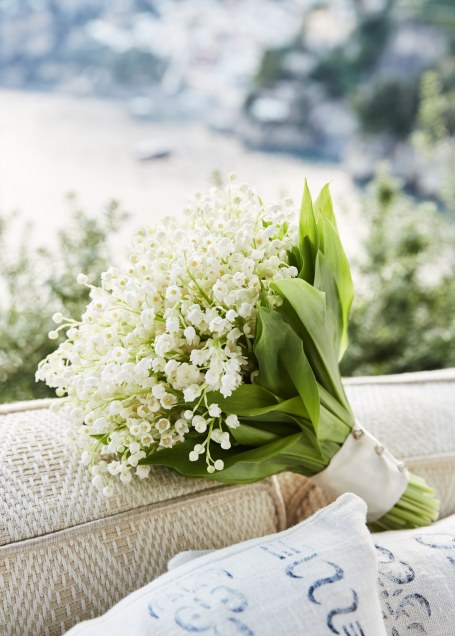
Bridal bouquet of lilies of the valley; Vogue magazine

Bouquet of lilies of the valley; wedding shoot for Vogue.

It is not a loud or disruptive fragrance; in fact, one could easily wear it to the kind of offices Vogue has always had in New York and other fashion capitals. It doesn’t have huge sillage, though it does have good longevity for a floral scent. I agree with what  Lauryn Beer wrote, in CaFleureBon:

Comme des Garcons Vogue 125 is ultimately a more low-key affair than I expected an intimate party for friends rather than an extravagant gala. With its seamless integration of state-of-the-art synthetics and realistic florals, Astuguevieille’s olfactory tribute is both brightly current and wistful; remembrances of past elegance and this morning’s bustle side-by-side in the same bottle. Which is just what it should be.

As it dries down, Vogue 125 becomes drier and less green, no doubt thanks to the vetiver. It also becomes more like a textile, if that makes sense — less airborne and more tactile. That is the contribution of the Cashmeran in its base, which has been described thus: “The name Cashmeran derives from its tactile feel which recalls the smoothness and softness of cashmere wool.” The same Fragrantica article also notes: “The diffusive, musky-woody scent is reminiscent of concrete (especially the abstract woody scent that concrete gives when hit upon by rain, a cityscape in the rain), also lightly spicy, lightly powdery.” Perfect for a fragrance designed for a luxury fashion publication based in New York City!

After two hours, Vogue 125 doesn’t seem to project much, but it is still going strong and you can still smell lily of the valley, although I don’t really pick up the leather note that’s supposed to be a base note, to add to the textile feel. I’m really enjoying this fragrance; it’s not a strong love, but I can absolutely see myself wearing it regularly during spring and summer. Have you tried it? Were you ever a regular reader of Vogue?

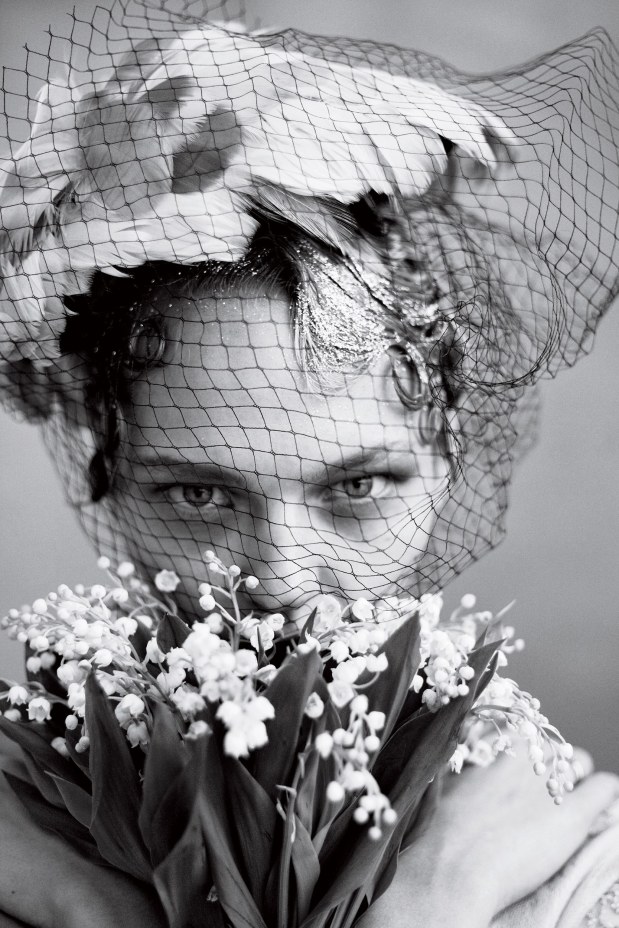
Featured image: Model Sasha Pivovarova with lilies of the valley; photo by Arthur Elgort for Vogue magazine.

May Muguet Marathon: Odalisque

May Muguet Marathon: Odalisque

Odalisque by Parfums de Nicolai is an eau de parfum with a strong floral heart of lily of the valley, jasmine, and iris, heralded by top notes of bergamot and mandarin, and resting on a base of oakmoss and musk. The brand calls it “a unique fragrance for strong personalities”, and on the website, its listing highlights, through graphics, the notes of mandarin, muguet, and oakmoss.

“Odalisque” is a word whose meaning has evolved over time. One author explains:

The English and French term odalisque (rarely odalique) derives from the Turkish ‘oda’, meaning “chamber”; thus an odalisque originally meant a chamber girl or attendant. In western usage, the term has come to refer specifically to the harem concubine. By the eighteenth century the term odalisque referred to the eroticized artistic genre in which a nominally eastern woman lies on her side on display for the spectator. (Joan DelPlato)

Patricia de Nicolai created the fragrance Odalisque in 1989. It is a very French perfume, as befits its creation by a member of the Guerlain family (her uncle is Jean-Paul Guerlain). It is not an Oriental fragrance by any means, or even a French version of an Oriental, as one might expect from a perfume that refers to a harem.  No, this Odalisque is a woody green chypre with a classic chypre structure, but using muguet as the featured floral note instead of the more commonly used rose and jasmine (Odalisque’s heart notes include jasmine blended with iris, together with the lily of the valley). So why the name?

Some of the most famous paintings of “odalisques” were by French painters, from Boucher to Matisse. In fact, right now the Norton Simon museum in Pasadena, California has an exhibit of paintings called “Matisse/Odalique”. Matisse himself candidly admitted that he used the theme of the “odalisque” as a reason to paint female nudes, and it is clear that many Western painters adopted the subject because it allowed them to paint titillating scenes of naked women, offering themselves to the male gaze (and, one is meant to assume, sexual availability), while also allowing the artists to distance themselves and deflect criticism by making the women and the scenes “exotic.”

Oil painting of odalisques playing checkers, by Henri Matisse

Odalisques Jouant Aux Dames; Henri Matisse

The heady flowers of rose and jasmine suit our traditional vision of the Ottoman Empire, but lily of the valley is quintessentially a Northern European flower, native to the cooler, temperate zones of the Northern Hemisphere, its preferred habitat being in shaded woodlands. Its prominence in Odalisque means that the fragrance is not exotic at all, although it is mysterious and beguiling. To my nose, the citrus opening leaves the stage very quickly, while I smell the oakmoss “base” right from the start. As the citrus notes fade, the greenness of the muguet takes over, the pure white lily of the valley flanked by rose and iris, as the odalisques in the paintings, frequently portrayed as white European women, are often shown attended by exotic Middle Eastern servants.

Painting of an odalisque in a harem with slave and eunuch, by Jean August Dominique Ingres; Fogg Art Museum.

Odalisque a l’Esclave; Jean Auguste Dominique Ingres; Fogg Art Museum.

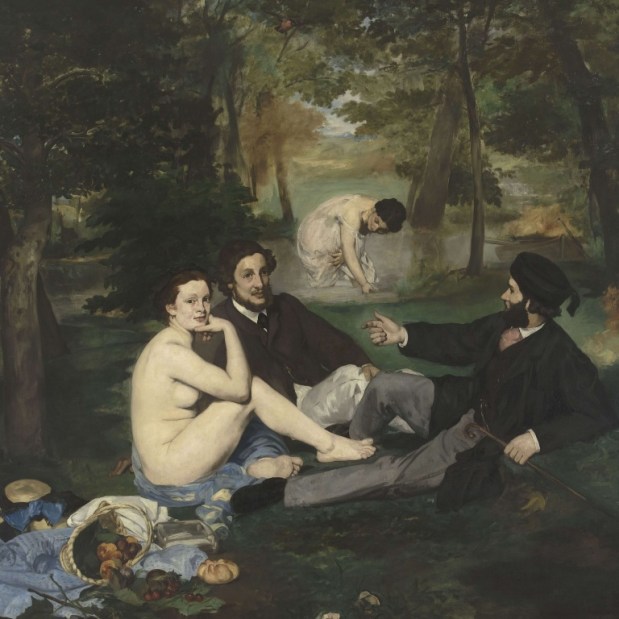
As it happens, one of the most famous French paintings using the trope of the “odalisque” also portrays a quintessentially European setting, green and woody like the chypre structure of Odalisque: Edouard Manet’s “Le Dejeuner sur l’Herbe.” That it refers to the figure of an “odalisque” is indisputable: the female model’s nudity, her pose with her body turned partly away from the viewer but displaying most of her naked body, her direct gaze, and the figure of another woman bathing at a distance, all evoke more traditional images of a concubine in a “Turkish bath” setting. One of the male figures wears an Ottoman-style flat cap with a tassel, reminiscent of a traditional Turkish fez.

Le Dejeuner sur l'Herbe, painting by Edouard Manet, from Musee de l

Le Dejeuner sur l’Herbe, by Edouard Manet; Musee d’Orsay.

I don’t think it is a coincidence that a perfumer as intelligent as Patricia de Nicolai created a fragrance like Odalisque that so readily lends itself to an evocation of one of France’s most famous, treasured masterpieces.

Luca Turin regarded the original Odalisque itself as something of a masterwork. He commented thus about its original formulation:

Odalisque’s superbly judged floral accord of jasmine and iris, both abstract and very stable, allied to a saline note of oakmoss, initially feels delicate, but in use is both sturdy and radiant. It is as if the perfumer had skillfully shaved off material from a classic chypre accord until a marmoreal light shone through it.

What, exactly, is a “marmoreal light”? According to Merriam-Webster, “marmoreal” means “suggestive of marble or a marble statue, especially in coldness or aloofness.” There you have it. I defy anyone to look at Manet’s painting and not see a marmoreal light on the key figure of the naked woman.

By making the muguet the most prominent floral note in Odalisque, Mme. de Nicolai has emphasized the cool, white, marmoreal aspect of the fragrance, but she sets it against a powerful base of oakmoss and musk, just as Manet’s odalisque is highlighted against the dark green, woody background of the setting he chose so deliberately (and radically). Odalisque was reformulated after IFRA imposed new restrictions on the use of oakmoss in fragrance, but I can attest to the continuing power of its oakmoss base.  As much as I love the muguet heart note of Odalisque, ultimately the story it tells is one of oakmoss. I can smell it from the very opening of Odalisque, and it persists for hours, taking its place on the olfactory center stage after about an hour of the fragrance’s progression. On my skin, the oakmoss and musk last for at least 10-12 hours; I’ve applied Odalisque at night and I can still clearly smell those base notes the next morning.

The combination of oakmoss and musk is very sensual without being “sexy”, as Caitlin points out in her blog “This Side of Perfume.” The accord is too classic and elegant to warrant such a trite phrase. Like Manet’s model, this sensual accord is direct without titillating. It simply presents itself, unconcerned. It also lends a retro, vintage feel to Odalisque without making it dowdy. In sum, if you are looking for a classic, French, high-quality perfume that features muguet, this one should be on your list. It differs significantly from the ultimate French muguet fragrance, Diorissimo, and others like Guerlain’s Muguet; it is darker, mossier, woodier. It is also glorious. Have you tried it?

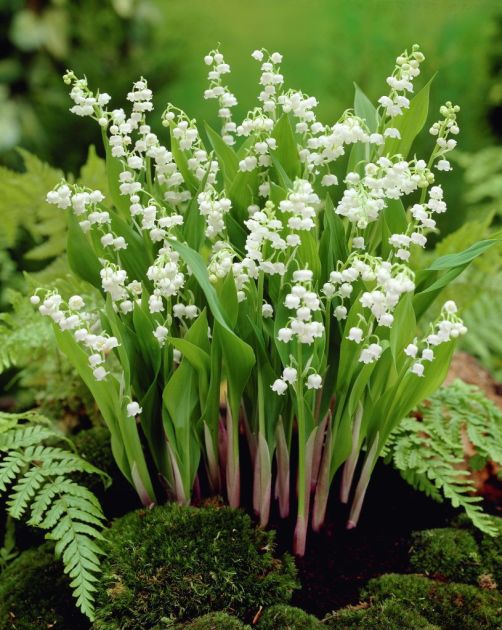
Lilies of the valley, green moss, and ferns in woodland garden

Lilies of the valley in woodland garden; image from Pinterest

Happy May Day! May Muguet Marathon 2018: Final Round-Up

Happy May Day! May Muguet Marathon 2018: Final Round-Up

Happy May Day 2019! Every year or so, I do a “May Muguet Marathon”, to celebrate one of my favorite flowers and fragrance notes: lily of the valley, traditionally given on the first of May. Below is last year’s round-up; I’ll start afresh tomorrow! Do you have any favorite muguet fragrances I haven’t yet reviewed? Feel free to make suggestions!

As today is the last day of my self-imposed May Muguet Marathon, I’ll do a brief wrap-up. Some of you who were reading this blog the last time I did this, in 2016, will know that I previously discussed some of the all-time greats among muguet fragrances. I did not repeat most of those, so I list them here with links if any newer reader is interested:

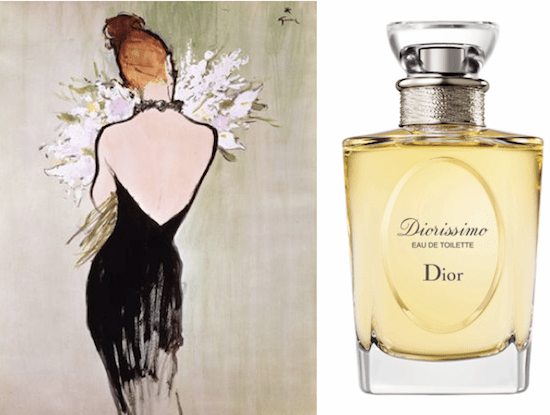
Diorissimo

Vintage ad and current bottle for Diorissimo eau de toilette, by Christian Dior.

Diorissimo, by Christian Dior.

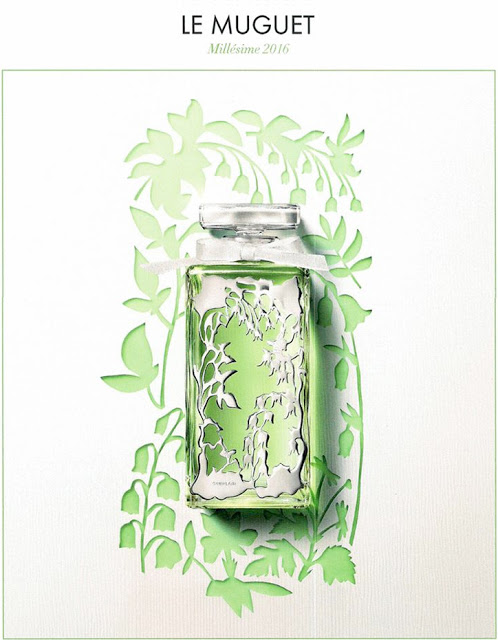
Guerlain Muguet 2016

Bottle of Guerlain Muguet 2016 fragrance

Guerlain Muguet 2016

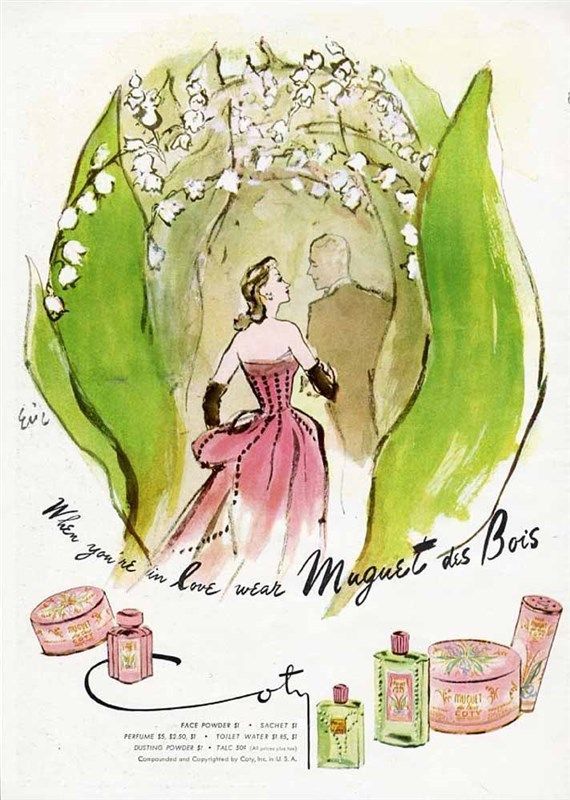
Coty Muguet des Bois

Coty "When You're in Love" ad for Muguet des Bois fragrance, by Eric

Coty “When You’re in Love” ad for Muguet des Bois

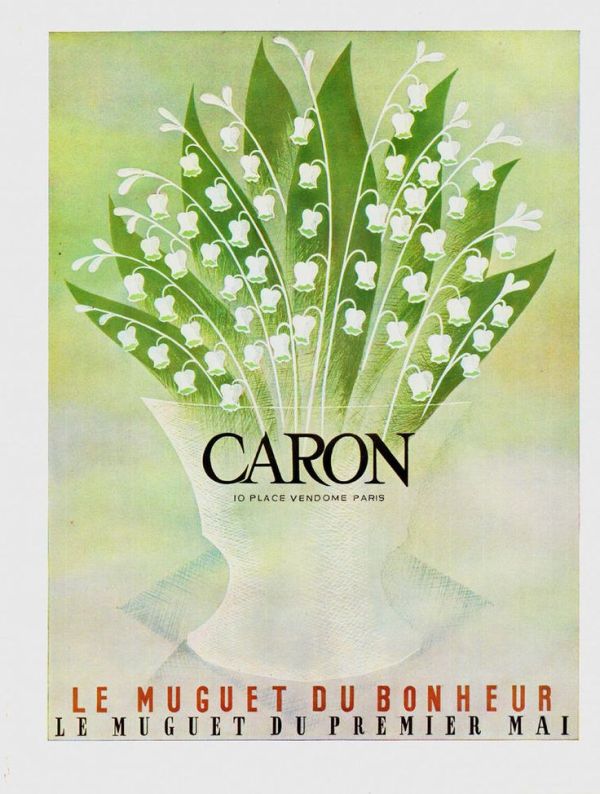
Caron Muguet du Bonheur

1960 advertisement for Caron's Muguet du Bonheur, with green and white lilies of the valley.

1960 advertisement for Caron’s Muguet du Bonheur.

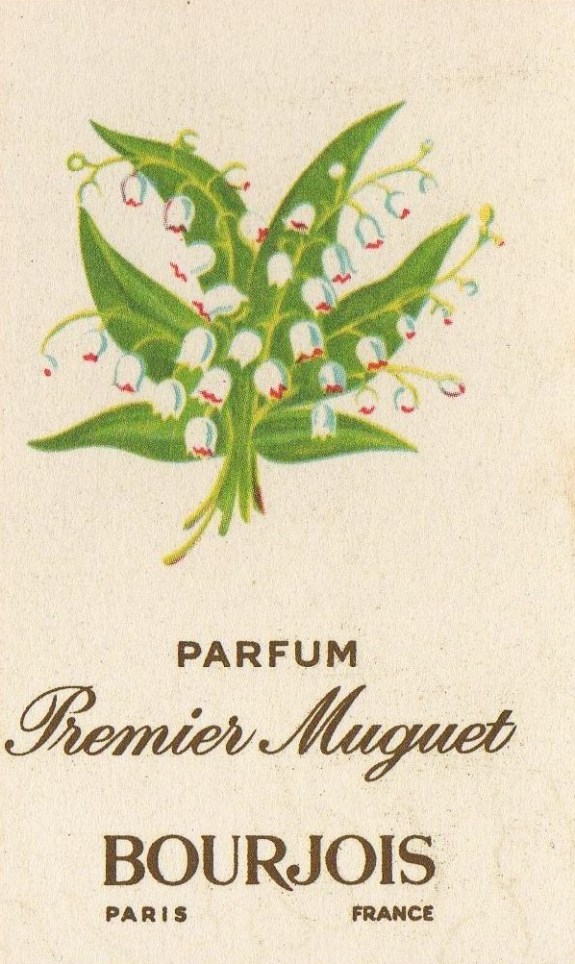
Premier Muguet

Premier Muguet Bourjois

Premier Muguet by Bourjois

and some new classics:

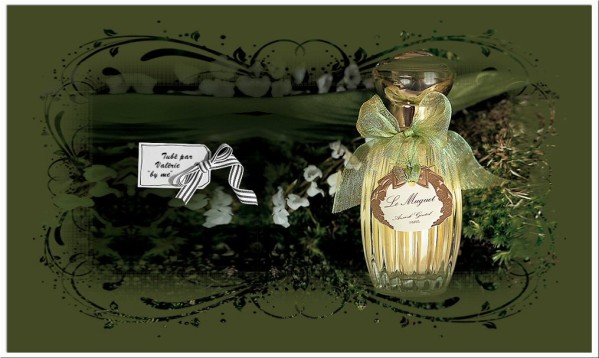
Annick Goutal’s Le Muguet

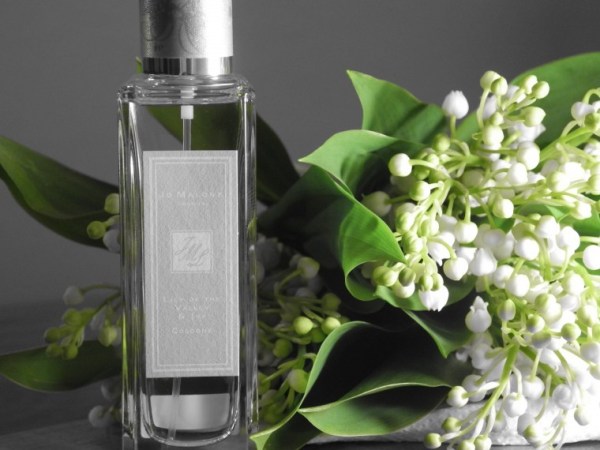
Jo Malone’s Lily of the Valley and Ivy

Jo Malone Lily of the Valley and Ivy fragrance

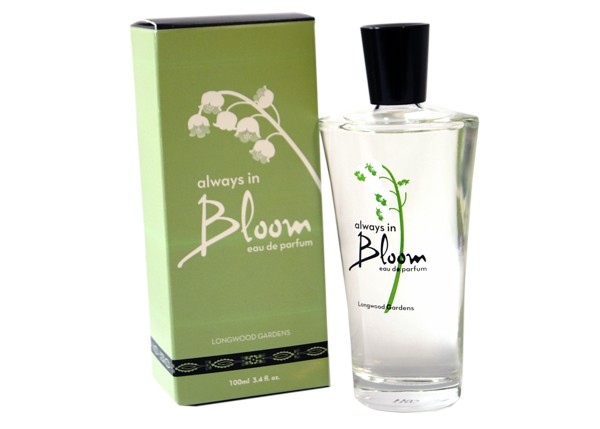
Olivier Polge’s Always in Bloom

Always in Bloom fragrance by Olivier Polge for Longwood Gardens

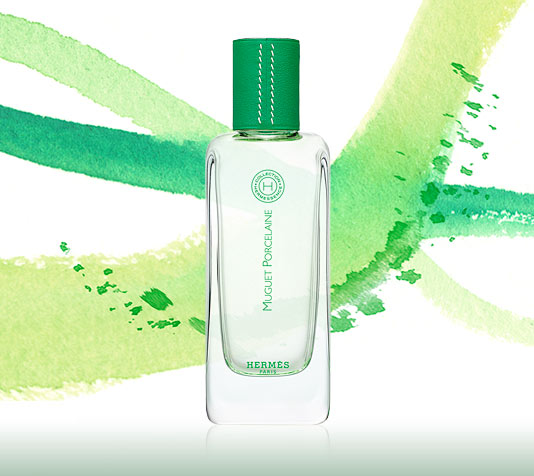
Hermes’ Muguet Porcelaine

Bottle of Hermes' Hermessence fragrance Muguet Porcelaine

Hermes Muguet Porcelaine; source http://www.uk.hermes.com.

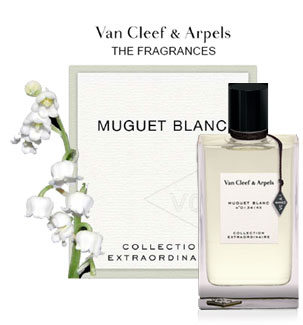
VCA’s Muguet Blanc

VCA Muguet Blanc

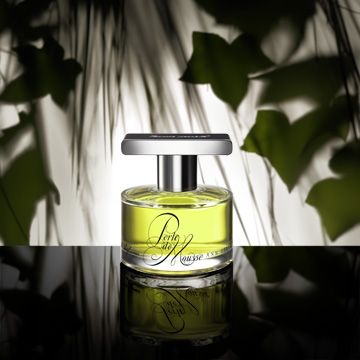
Ann Gerard’s Perle de Mousse

Perle de Mousse eau de parfum; fragrance by Ann Gerard

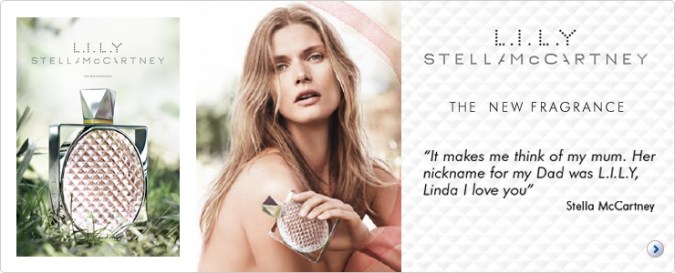
L.I.L.Y. by Stella McCartney

L.I.L.Y. fragrance based on lily of the valley or muguet, by Stella McCartney

L.I.L.Y. fragrance by Stella McCartney. Photo: http://www.boots.ie

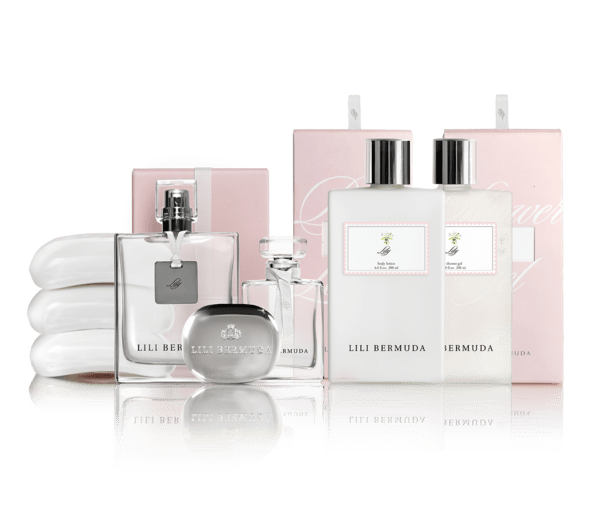
Lily, by Lili Bermuda

Lily fragrance collector gift set from Lili Bermuda

Lily, by Lili Bermuda

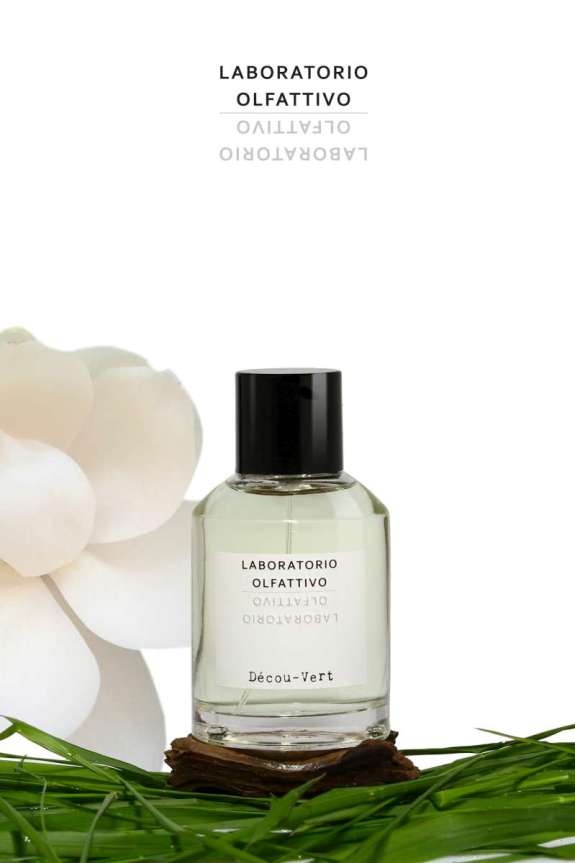
Laboratorio Olfattivo’s Decou-Vert

Bottle of Laboratotio Olfattivoa eau de parfum Decou-Vert

Decou-Vert

Last, if you haven’t overdosed on muguet by now, here are Fragrantica’s picks in 2018:

Best in Show: Lily of the Valley

I hope you’ve enjoyed this trip down Muguet Lane! Thank you for joining me on the journey! If I’ve overlooked some muguet fragrances you’d like to suggest, please mention them in the comments!

Scent Sample Sunday: Tokyo Spring Blossom

Scent Sample Sunday: Tokyo Spring Blossom

When I won a CaFleureBon draw for 4160 Tuesdays’ White Queen, brand founder and perfumer Sarah McCartney kindly included two travel sprays in the package, because UK shipping restrictions meant she could only send me a smaller size of White Queen than originally described. I was delighted, because it gave me the opportunity to try two more 4160 Tuesdays scents! One of them was Tokyo Spring Blossom, which I’ve been wearing off and on all week. It was originally launched in 2011 under the name Urura’s Tokyo Cafe, after a friend of Ms. McCartney’s for whom she first created the fragrance, Urura Shiinoki, owner of the Green Ginger Cafe in Tokyo.

The 4160 Tuesdays website describes it as “the scent of a spring breeze blowing through tree blossom.” Apparently the name Urura can be translated into English as “breeze in the cherry blossoms”, so that inspired the scent, although none of its notes are actually cherry blossoms. The notes are described differently on various websites, and the text on the 4160 Tuesdays site doesn’t seem to list them all, but they appear to be a combination of: a mix of citruses with pink grapefruit, tangerine and mandarin orange; middle notes of violet and rose; base notes of opoponax, Sarah’s favorite raspberry leaf accord, tolu balsam and raspberry. The description of the fragrance’s progression that most closely aligns with my own experience comes from a 2015 review on CaFleureBon, by Susie Baird:

Atop is a sparkling citrus, which feels very bright and airy. Almost as soon as those petals have opened a slightly more aromatic accord appears, herby and green. The perfume is now dappled with shade between the rose bushes. This is most certainly not a rose-centric fragrance though; the floral bouquet is seamlessly woven together with crisp greens and sharp tangerine, creating an image of a flower garden gently swaying in a summer breeze.

From beneath, sweet Myrrh stains the green and pink with umber tones. Here it gives the impression of a great splash of strong green tea, saturating the base of the scent with a resinous solemnity, as if the breeze has momentarily dropped and the sun stepped behind a cloud. It is cooling and pleasant to experience the resin balanced by the green goodness of geranium and rose. It has all the atmospheric depth that incense can bring to a fragrance, without any of the smokiness.

Yes! I think the greenness from the start comes from the raspberry leaf accord, which is listed on Fragrantica as a base note, but I smell it almost from the start, and then it lasts throughout. I smell suggestions of green tea, as described above, more than I smell roses, but I do pick up the violet heart note, which adds to the greenness but also lends a slightly powdery, floral note. Of course, high quality green tea does itself have floral fragrance notes which can vary widely; and green tea is a very traditional Japanese drink.  In fact, to my nose, this stage of Tokyo Spring Blossom smells very much like a specific form of green tea: matcha.

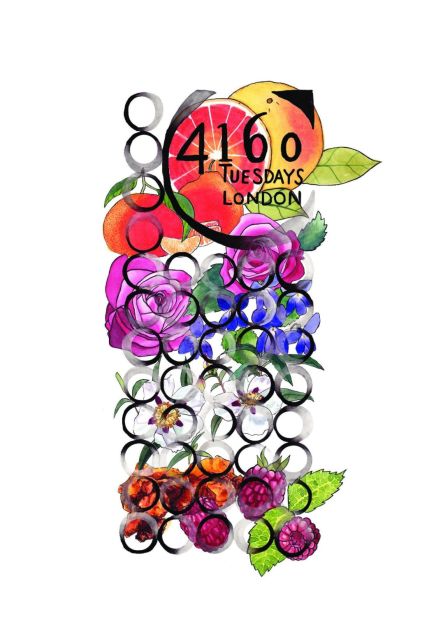
The 4160 Tuesdays website includes one of its pretty graphics to describe this scent:

Eau de parfum Tokyo Spring Blossom or Urura's Tokyo Cafe, by 4160 Tuesdays

Tokyo Spring Blossom, 4160 Tuesdays

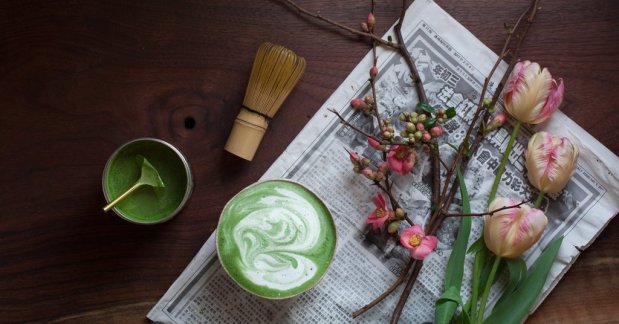
I like this scent very much, though I think I was more delighted by White Queen, which is odd because usually I much prefer floral scents to gourmand scents. Luckily, in life it is possible to combine both the floral and the gourmand. The featured image above comes from the website for a specialty tea merchant called Steven Smith Teamaker, created by and named after the founder of Stash and Tazo tea companies. The company thoughtfully provides its own recipe for a matcha green tea latte, shown in the featured image. Enjoy!

Do you have any favorite fragrances that remind you of tea, whether or not they are named for tea? The Bvlgari Eaux Parfumees au The series comes to mind right away; I have and enjoy three of them (The Vert, The Bleu, The Rouge). Any others?

Steven Smith, Teamaker, matcha green tea latter with spring blossoms

Matcha green tea latte from Steven Smith Teamaker